
Getting back on track
Norfolk Southern wanted to focus on elevating the employee and customer communication experience, and create a future journey that brings actionable change now, and beyond.
my role
Design Lead through end to end process: discovery, user research, requirements, design
team
Design Director, Kevin Panke
Susan Curtis, Interaction Design
Brian Jones, Copywriter
Kristi Champion, Project Manager
Legacy as a service
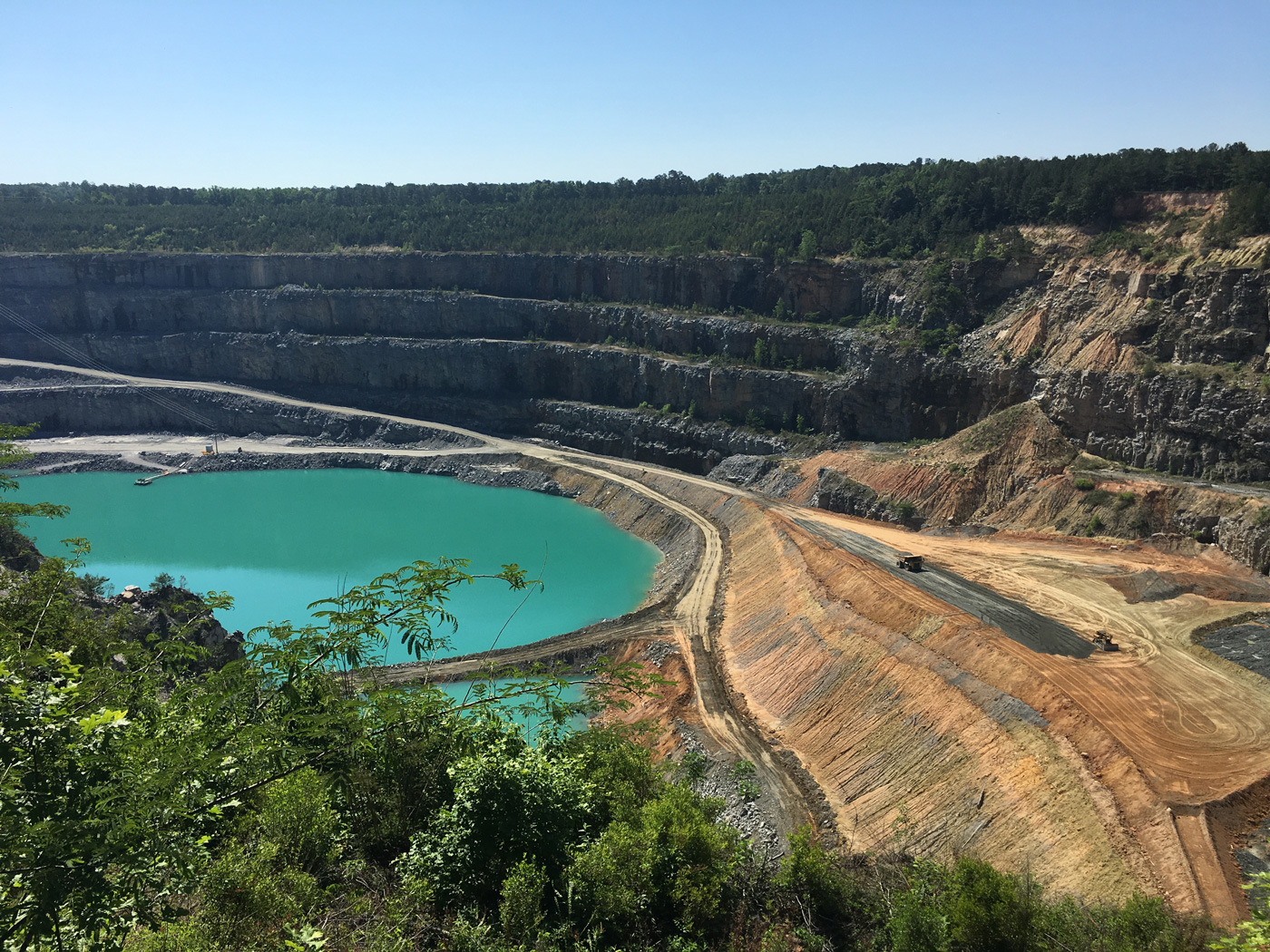
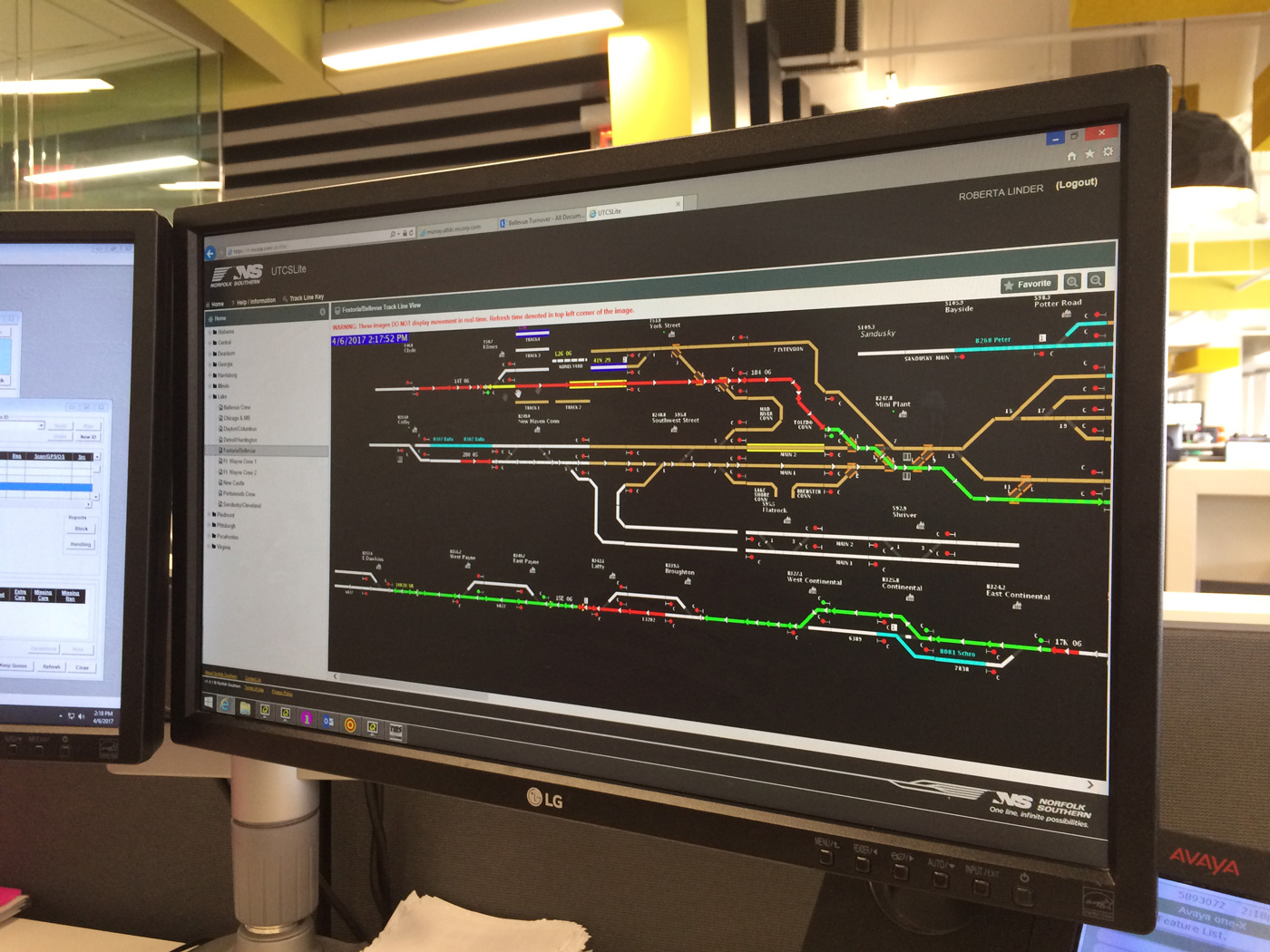
There are only 4 Class I railroads in the United States — each with their own tracks and regions. Currently, the railroad is the cheapest method to move large amounts of freight for a lot of companies. Much like the mechanics of the railroad, the technology supporting services and customers was reliant on the past. When a problem happens, customers are left to wait on a slow moving industry to respond.
Norfolk Southern has been defined by a superior customer service experience. When metrics showed that it was slipping, we were charged with discovering the reason and how to fix it.
shadowing sessions
39
Shadowed agents while they worked to understand customer service, the team
customer interviews
30
Spoke with various customer types to understand their service issues
Onsite customer visits
6
Viewed interactions between NS and their customers to understand their pain points
Railyards
2
View processes and logistics on railcar shipping
Learning where service went off the rails
The team conducted interviews and working sessions with key business, technology and marketing team members to understand current pain points and opportunities for customer service improvements.
Through out the research phase the team interviews and shadowed 39 different customer service reps. The team also tasked themselves with hearing from customers themselves. 30 customers of various sizes and industries were interviewed. We also visited 6 customer site visits to learn how they operate and what tools they use to manage their shipments. The team also got a first hand experience of how the rail workers managed customer orders by visiting 2 rail yards.
Over and over, the pain points we heard about focused on rail service – not customer service. The clerks are detectives, working across systems that don’t talk to each other, and making phone calls to chase down leads. They go above and beyond to deliver reliable service to frustrated customers who need those cars to keep their own business on track.
Key Research Insights
Disconnected Data
Disconnected systems prevented singular view of customer and visibility into why and when events will happen.
Data Integrity
Delays and manual calculations were barriers to real-time, reliable insights that customers want.
Automation, Not Intervention
NS was not leveraging technology to reduce manual work and be more proactive.
Everything's An Escalation
No ticketing, tracking system or protocols for handling exceptions.
Email Is Everything
Workflow is centralized around an email system that doesn't prioritize, route or escalate issues effectively.
Too Little, Too Late
Customers expected NS to reach out proactively when exceptions happen.
Mapping out the future experience
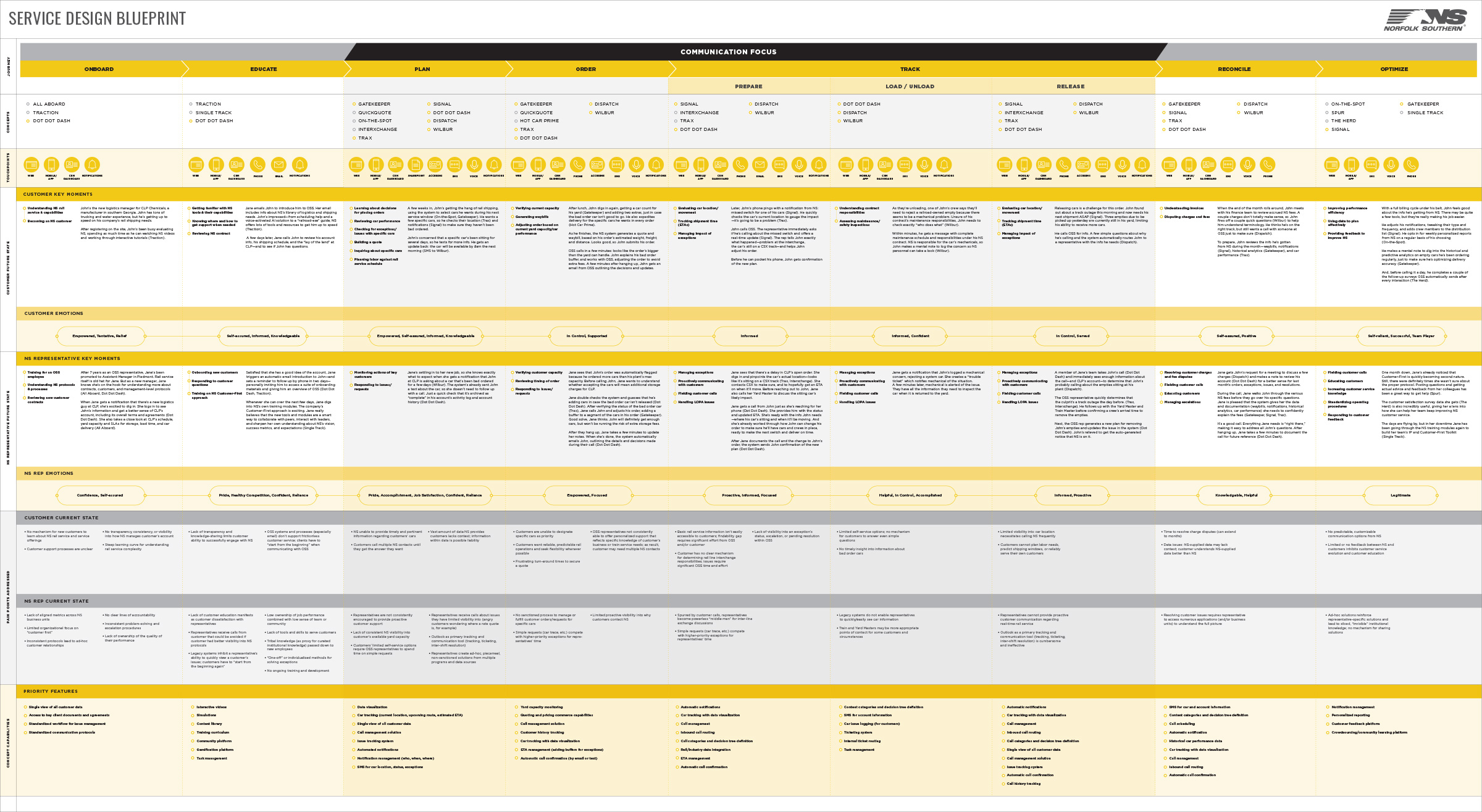
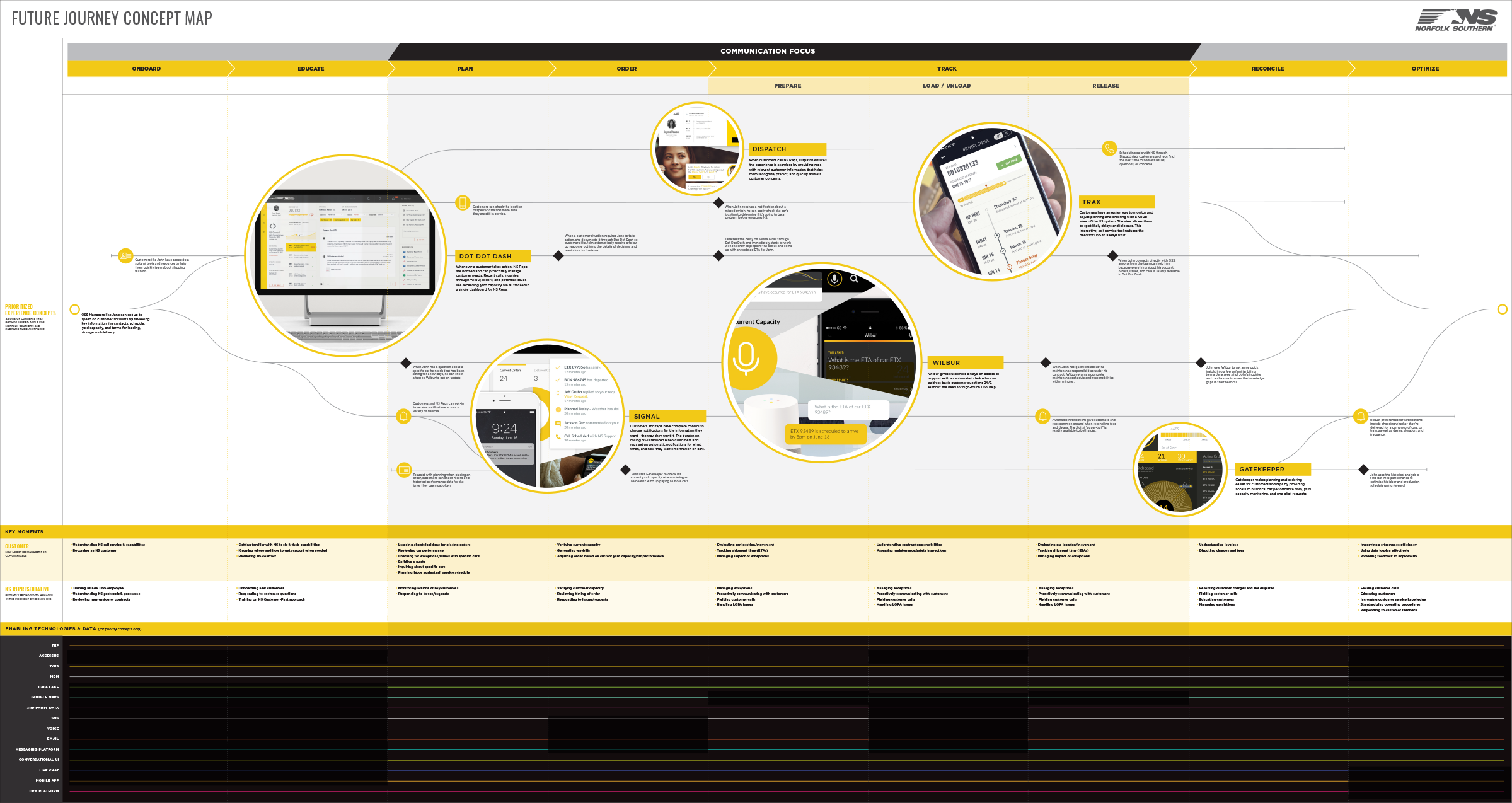
After our initial field research was complete, service blueprints were created to map out the future experience. Based on the pain points and opportunities discovered, 20 concepts were created to define the customer service experience.
These visual representations were used as directional beacons for future initiatives. We designed these ideas to fit together into a larger service ecosystem as the overall experience vision comes to fruition. The concepts aimed to drive trust, create consistency, and strengthen partnerships using tools, insights, and information that empower representatives and exceed customer expectations.
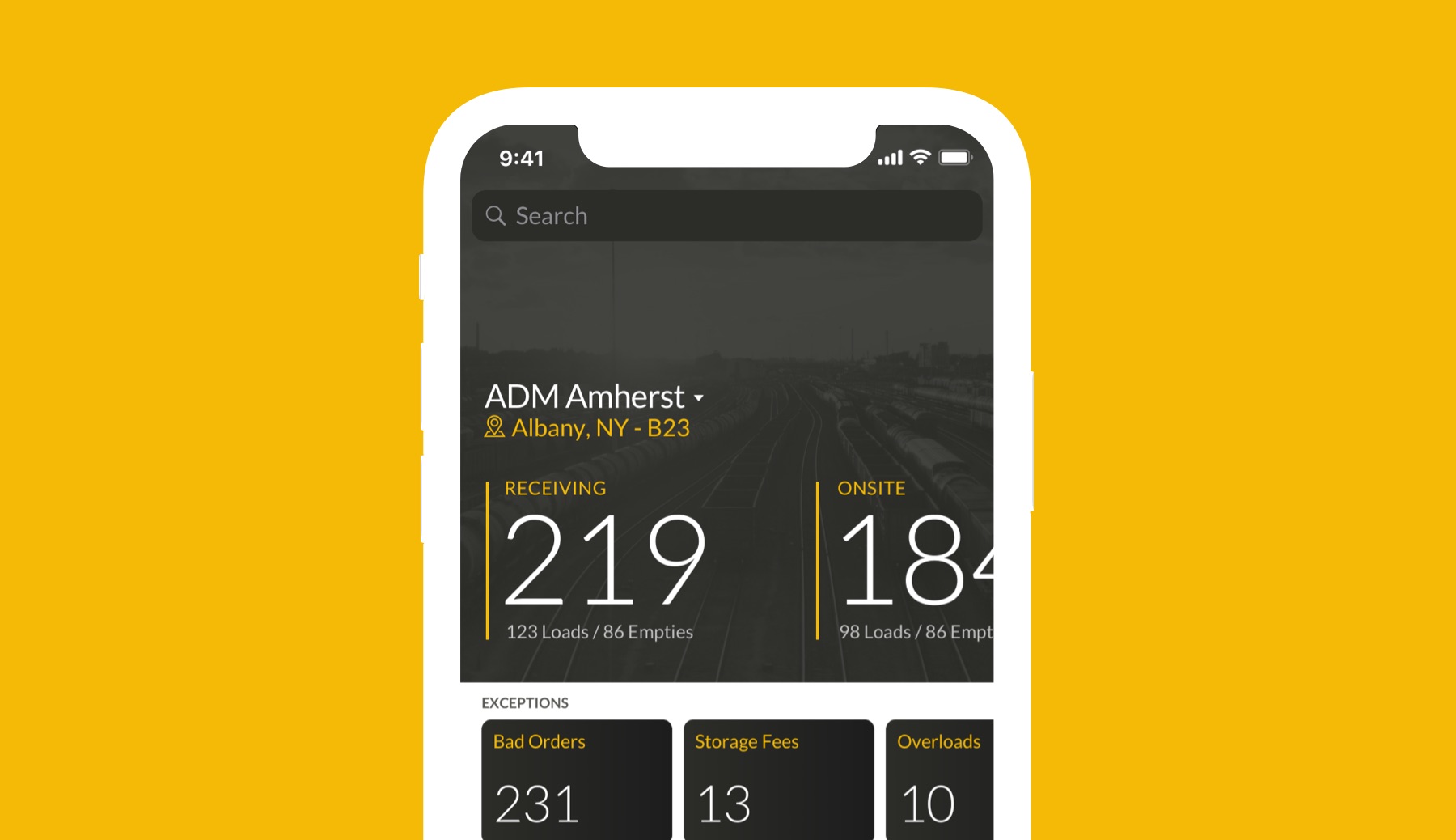
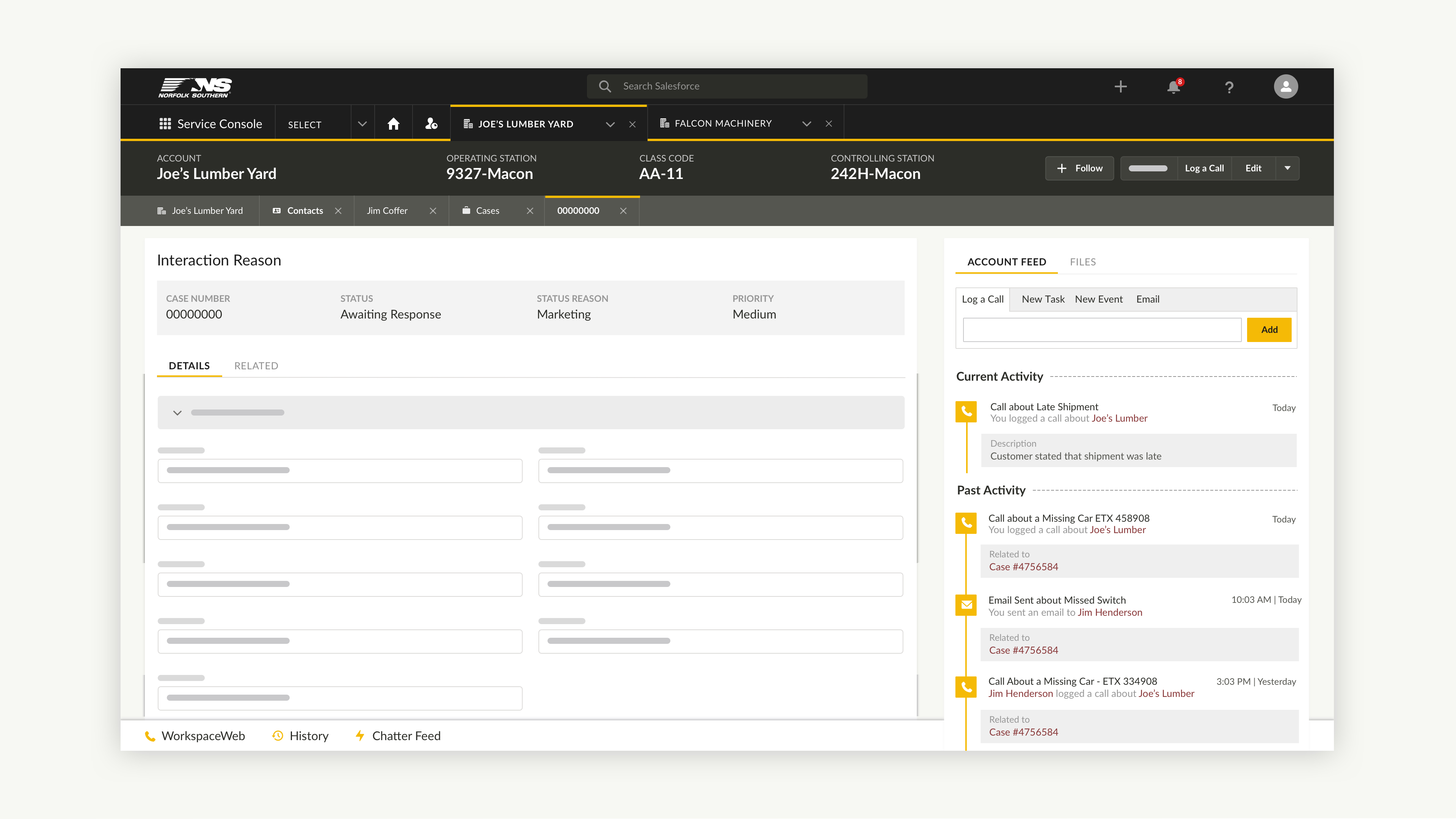
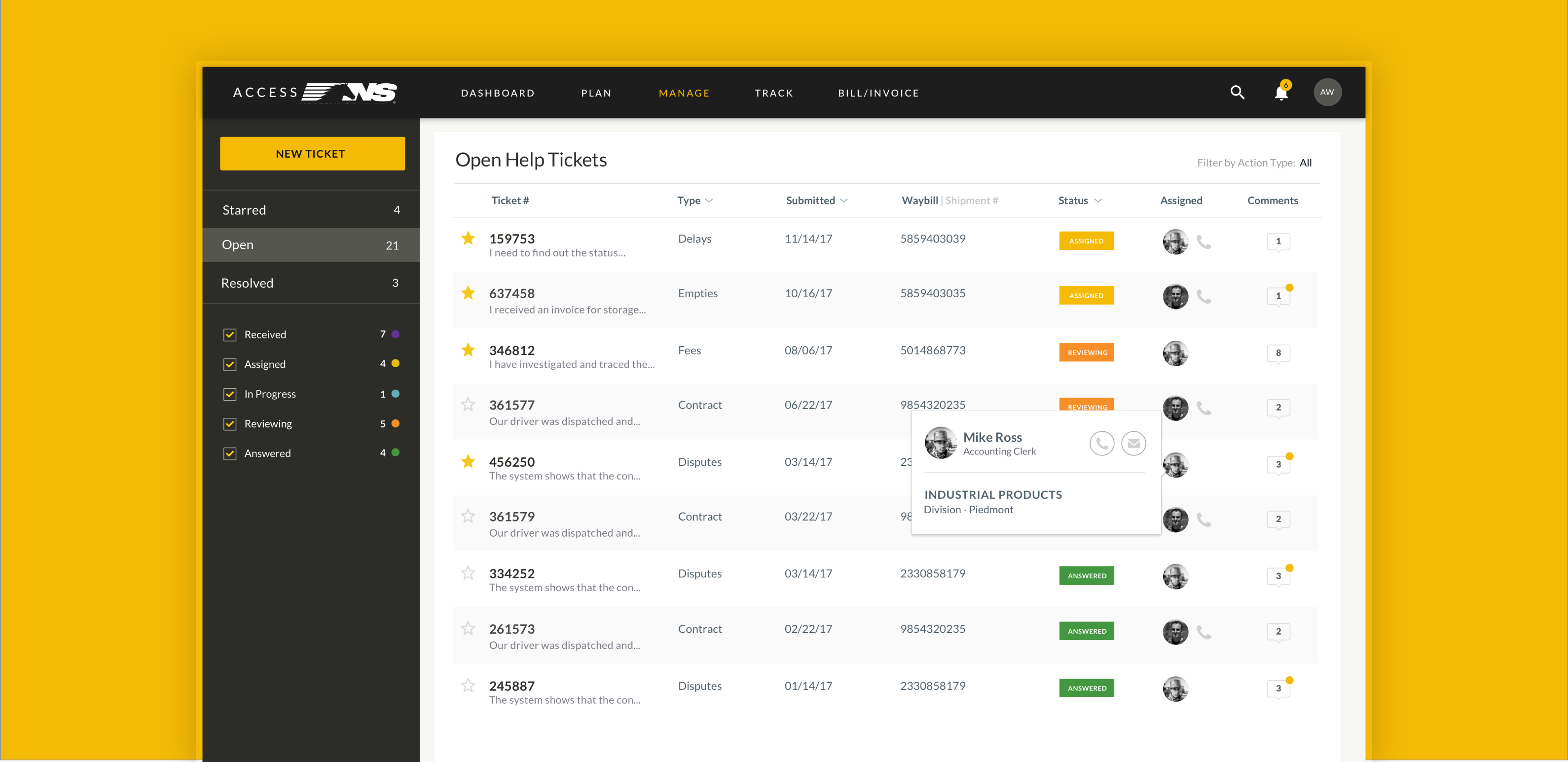
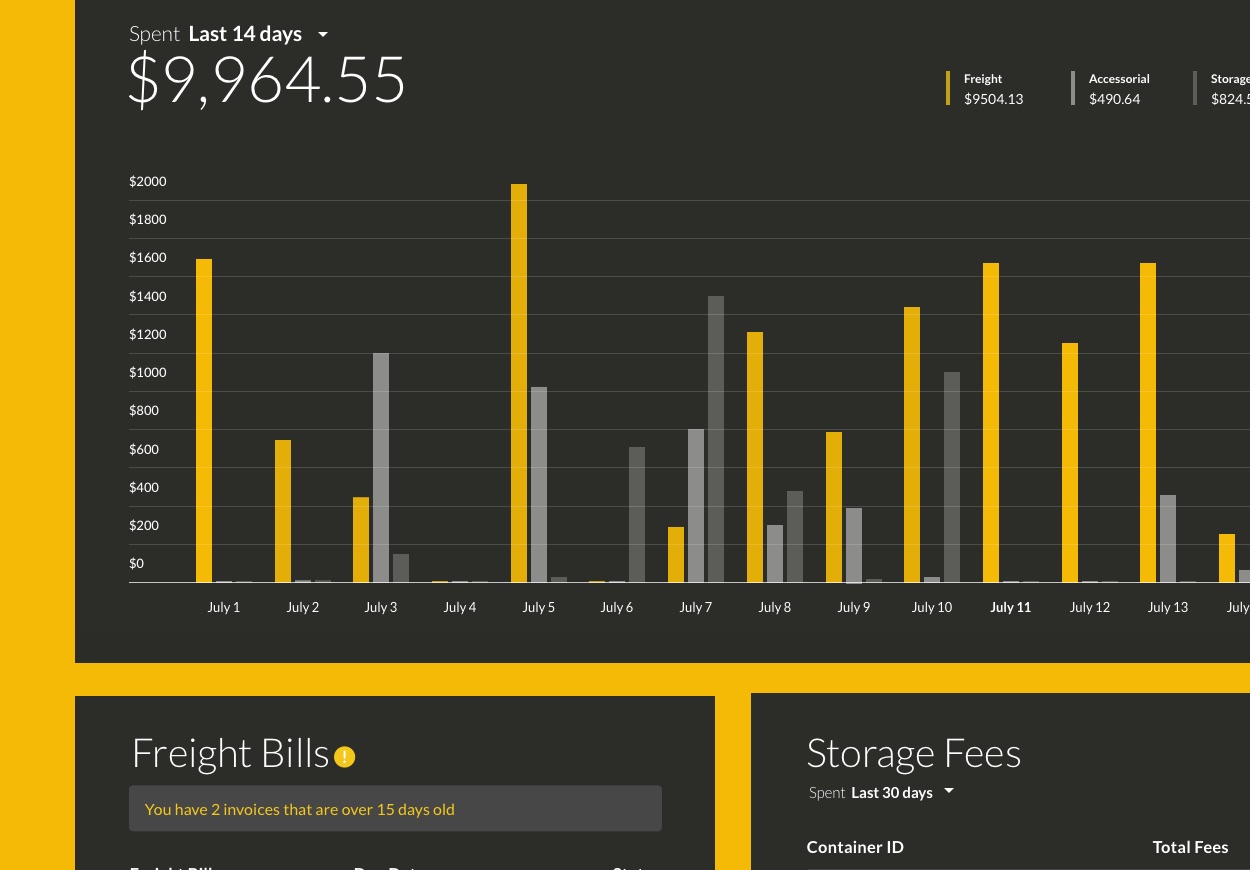
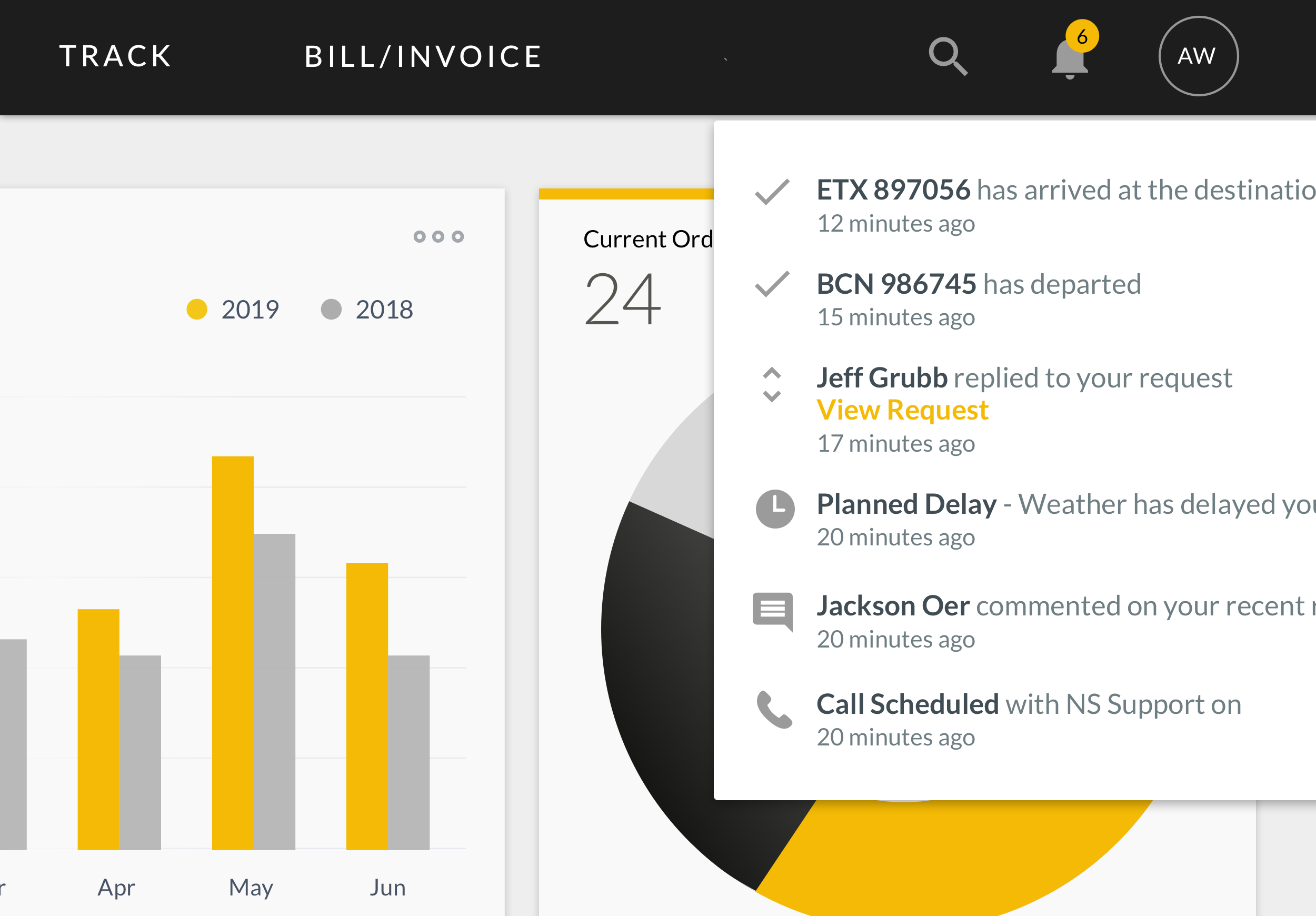
Getting on track toward the future
Almost the initial discovery phase, Norfolk Southern has made strides in improving their customer experience and getting back on track. Many of the concepts have been implemented, released, or are currently in development.
Dot Dot Dash, a customer CRM application, has launched company wide reducing calls to customer service reps and improving response times. After this project, I lead a team to design and develop Trax, their first mobile application for iOS and Android, to help customers track shipments. To improve customer communication, an enterprise wide notification system has been designed, developed, and deployed. NS has also launched an enterprise wide notification system to keep employees and customers alert of changing information.

