
Appetite for the future
Chick-fil-A suffered from a “wanted” pain point – effectively unlimited demand during peak hours without a future-proof method for increasing throughput.
my role
Design director through end to end process: discovery, user research, design, prototyping, testing
team
Allie Kerstein, Project Manager
John Preziotti, Creative Technologist
Will Schroeder, Visual Design
Jonathan Mendoza, Product Design
Mark Millhollon, Product Design
Paul Stephens, Architect
James White, Architect
Ashwin Kadaru, Engineer
Boris Blosse, Engineer
Coursing the Future
While everyone unanimously loves the taste and quality of their food, the crowds bring some unwanted pain points to customers and team members. The future CFA Restaurant experience had to meet increasing demand without sacrificing the brand’s key principles. Our challenge was to develop a fast, frictionless, and personal experience that will delight and help more people every day.
Throughout the process, I led a blended team of interaction designers, industrial designers, and architects in designing and producing rapid prototypes, physical builds, and virtual simulations to design the restaurant experience of the future.
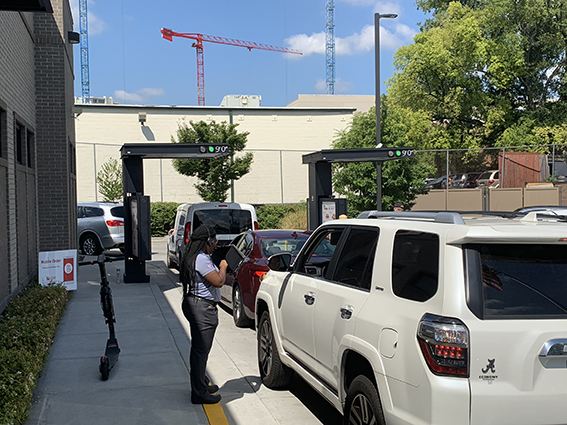
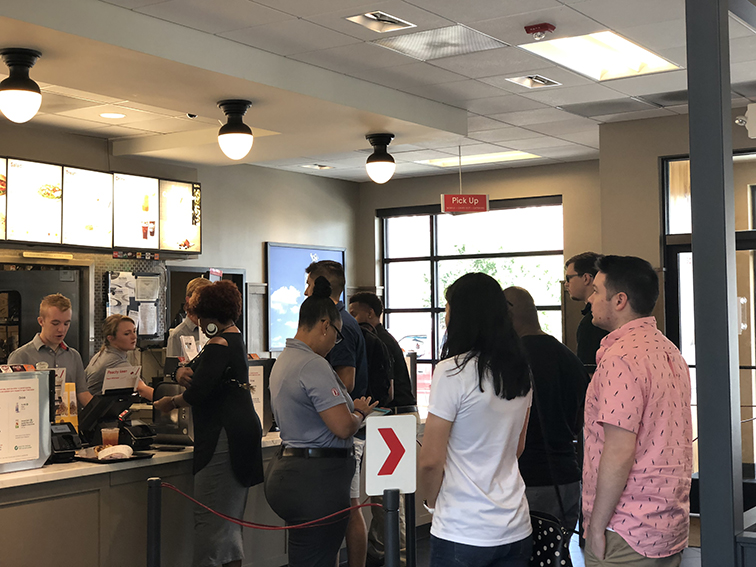
To learn about the current experience, the team visited multiple locations to observe guest and team member behaviors. Several bottlenecks inside and outside were witnessed and documented as areas of opportunity.
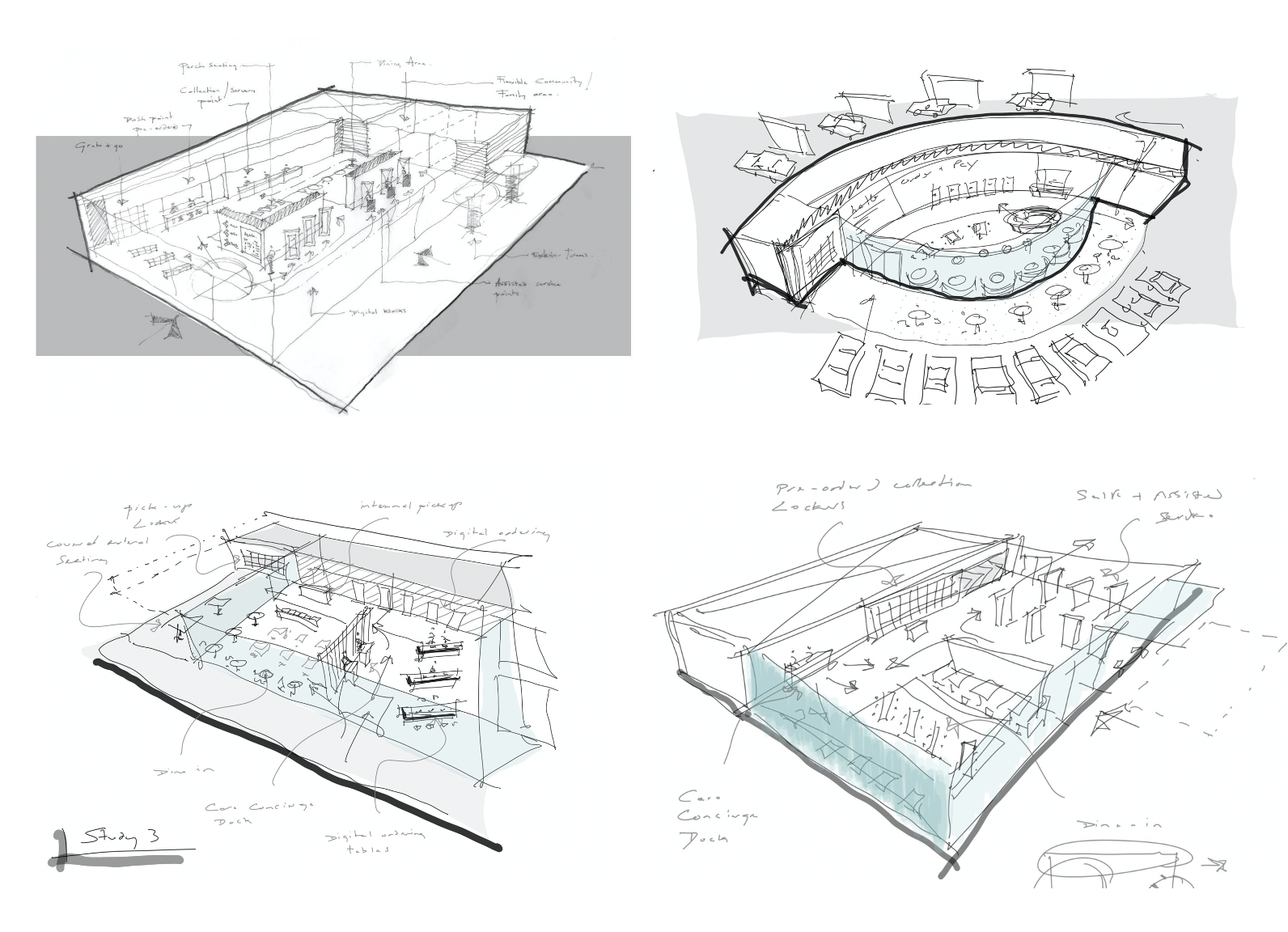
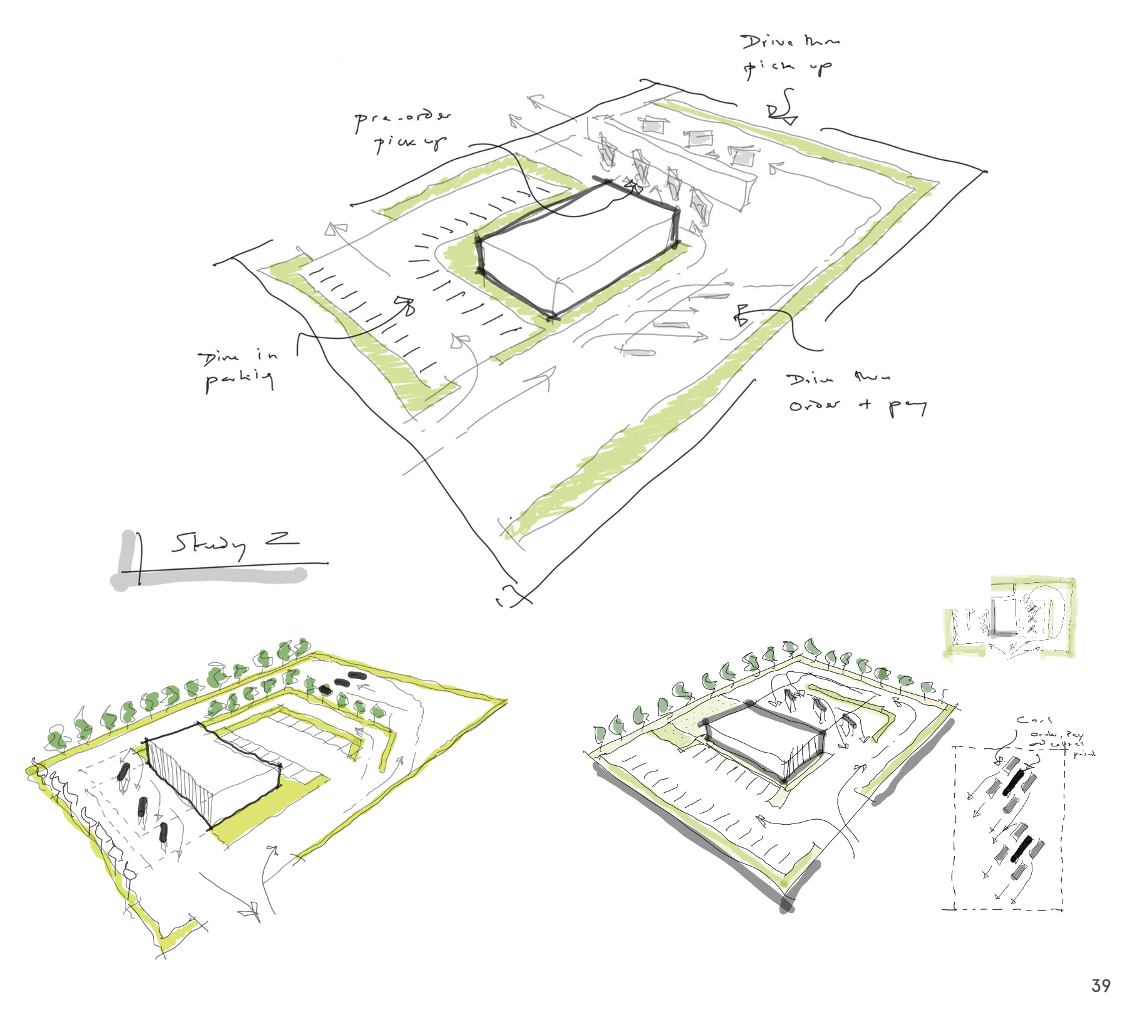
Using those areas of opportunity, the team rapidly ideated. Multiple concepts were generated to solve the challenge of increased threshold during the busiest hours.
Testing the Future
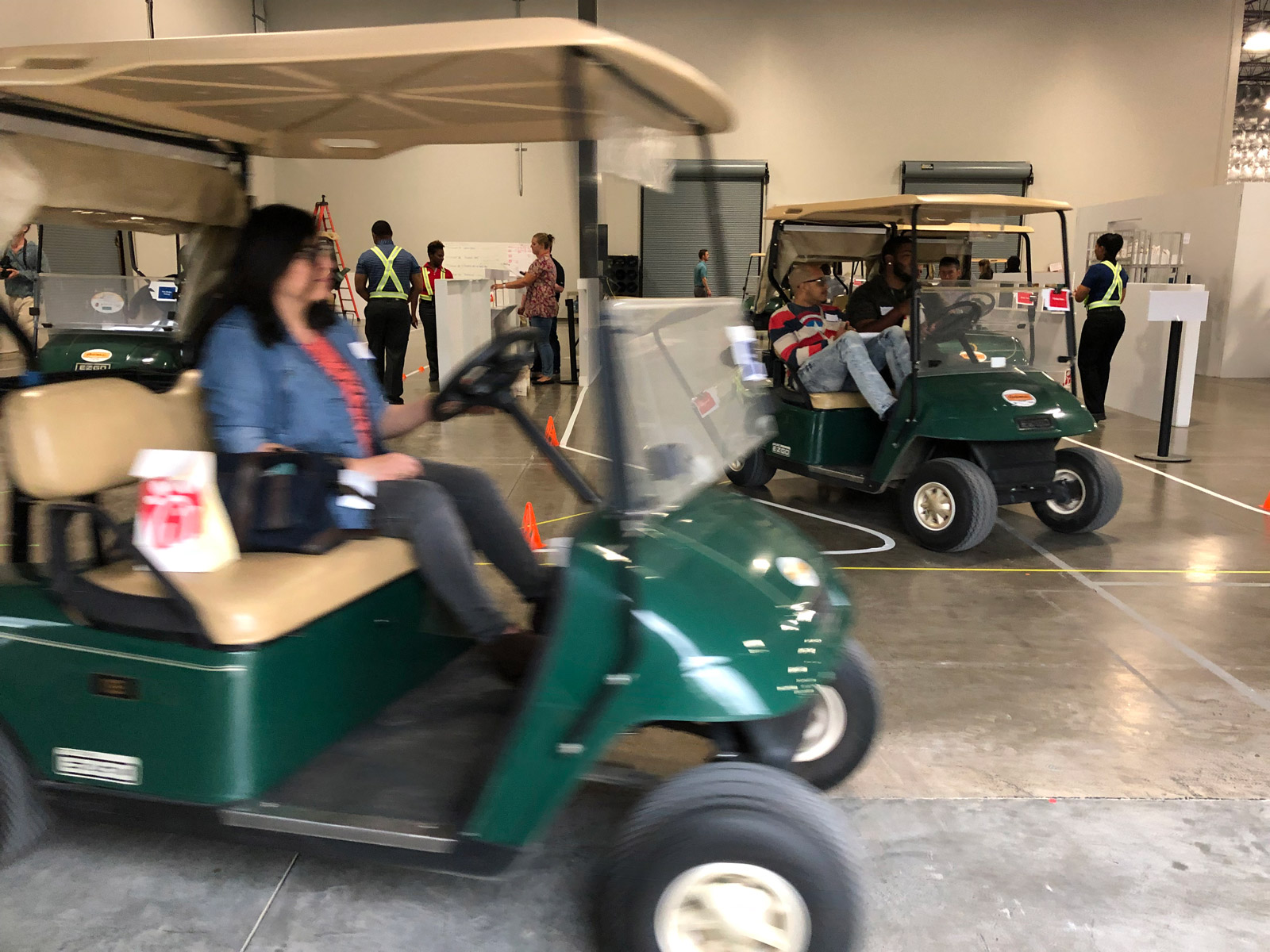
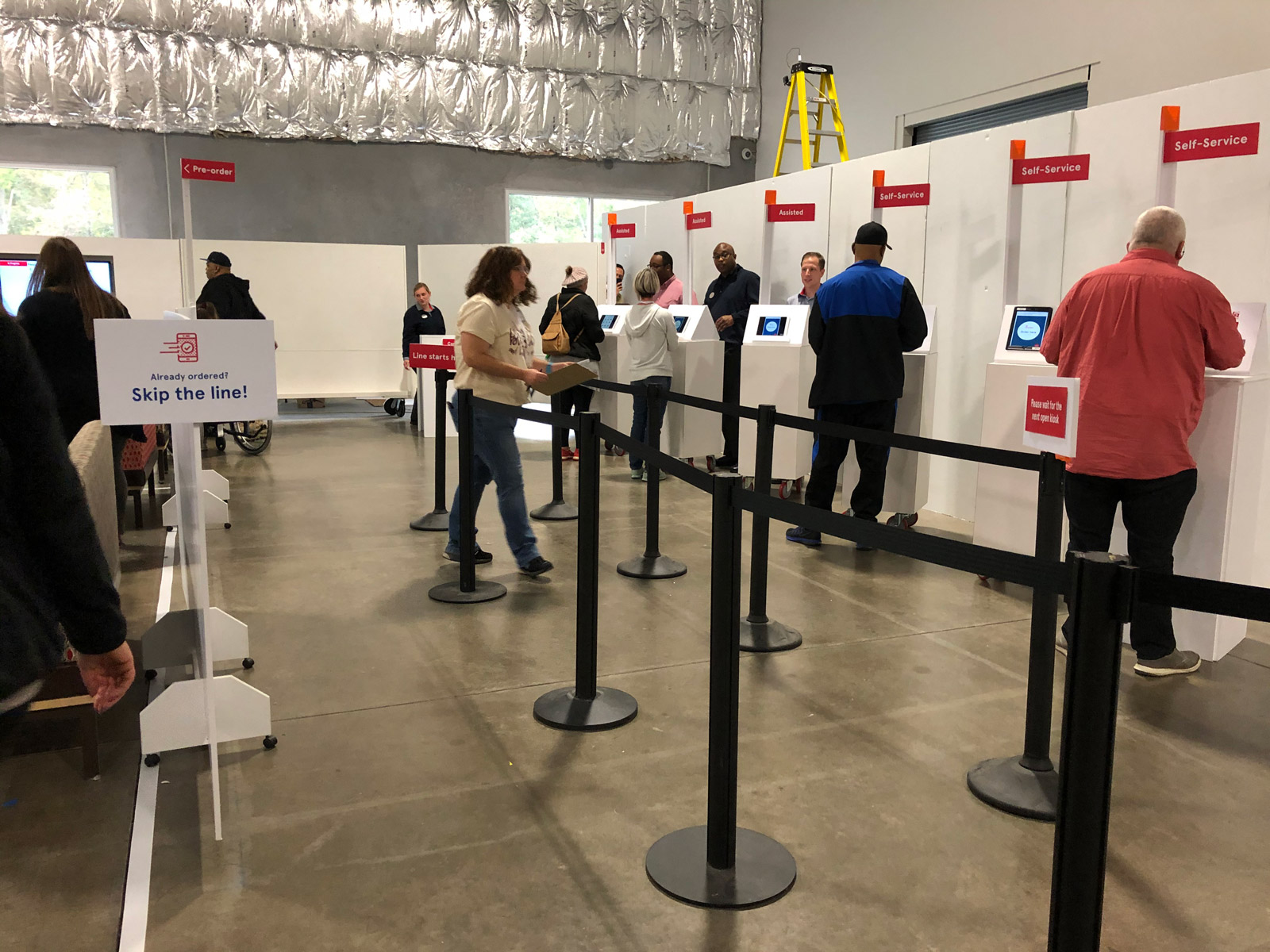
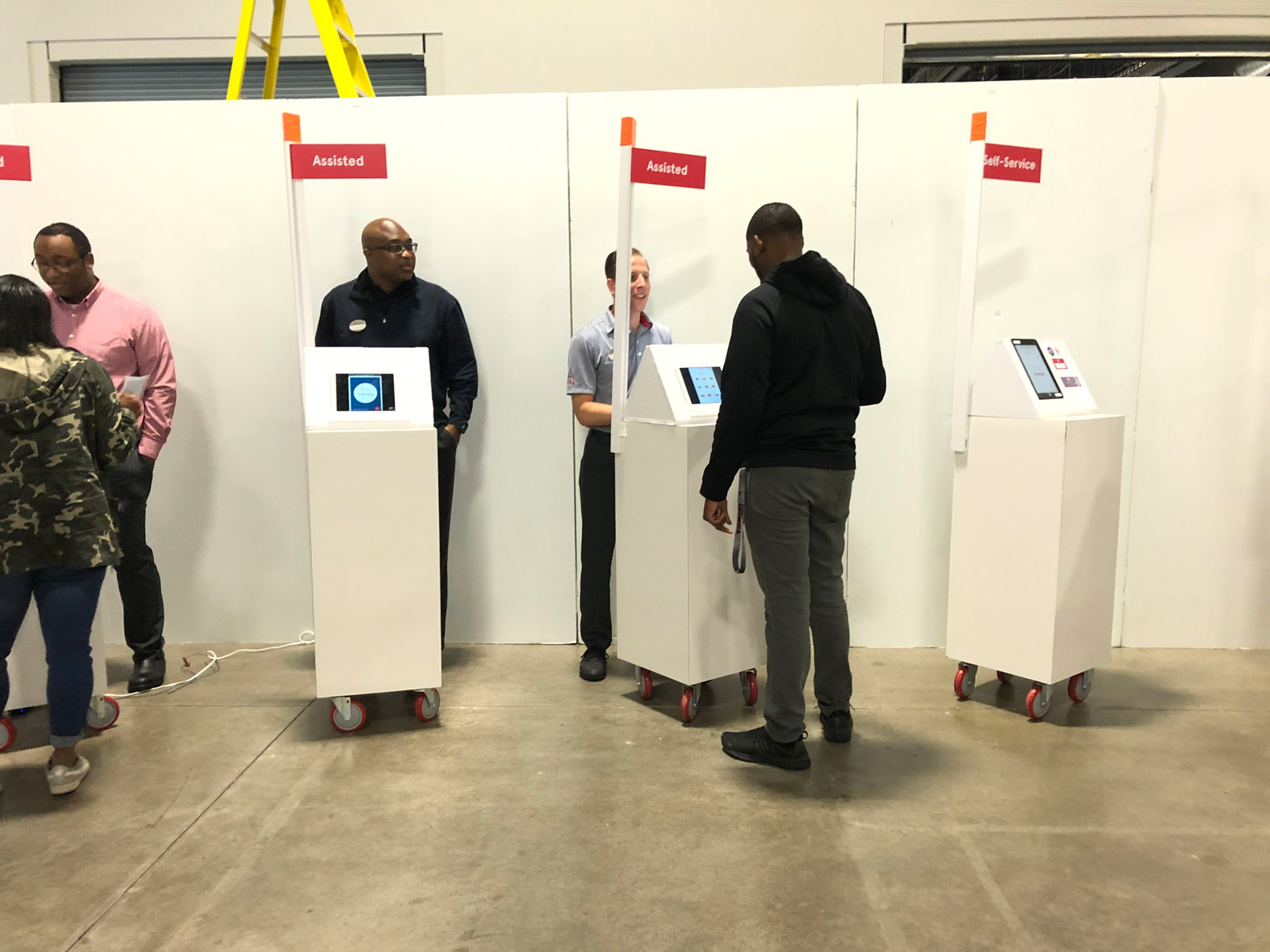
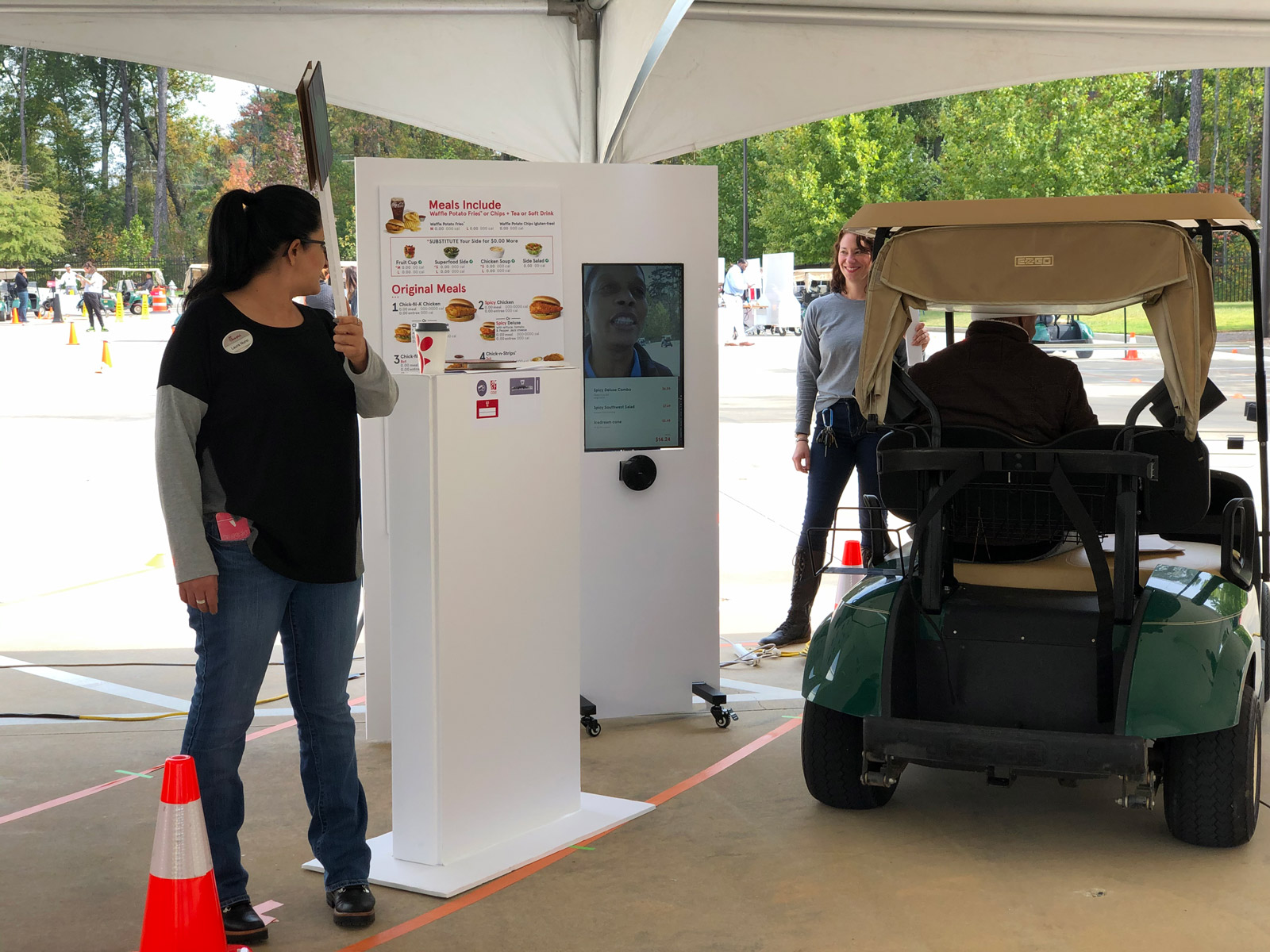
Through frequent test research sessions, the team gathered valuable feedback directly from the customer perspective. Physical simulations were created and real customers were immersed into our concepts. We ran them through a series on inside and outside scenarios, and then collected their feedback on the experience. That feedback was used in the next sprint to refine our ideas.
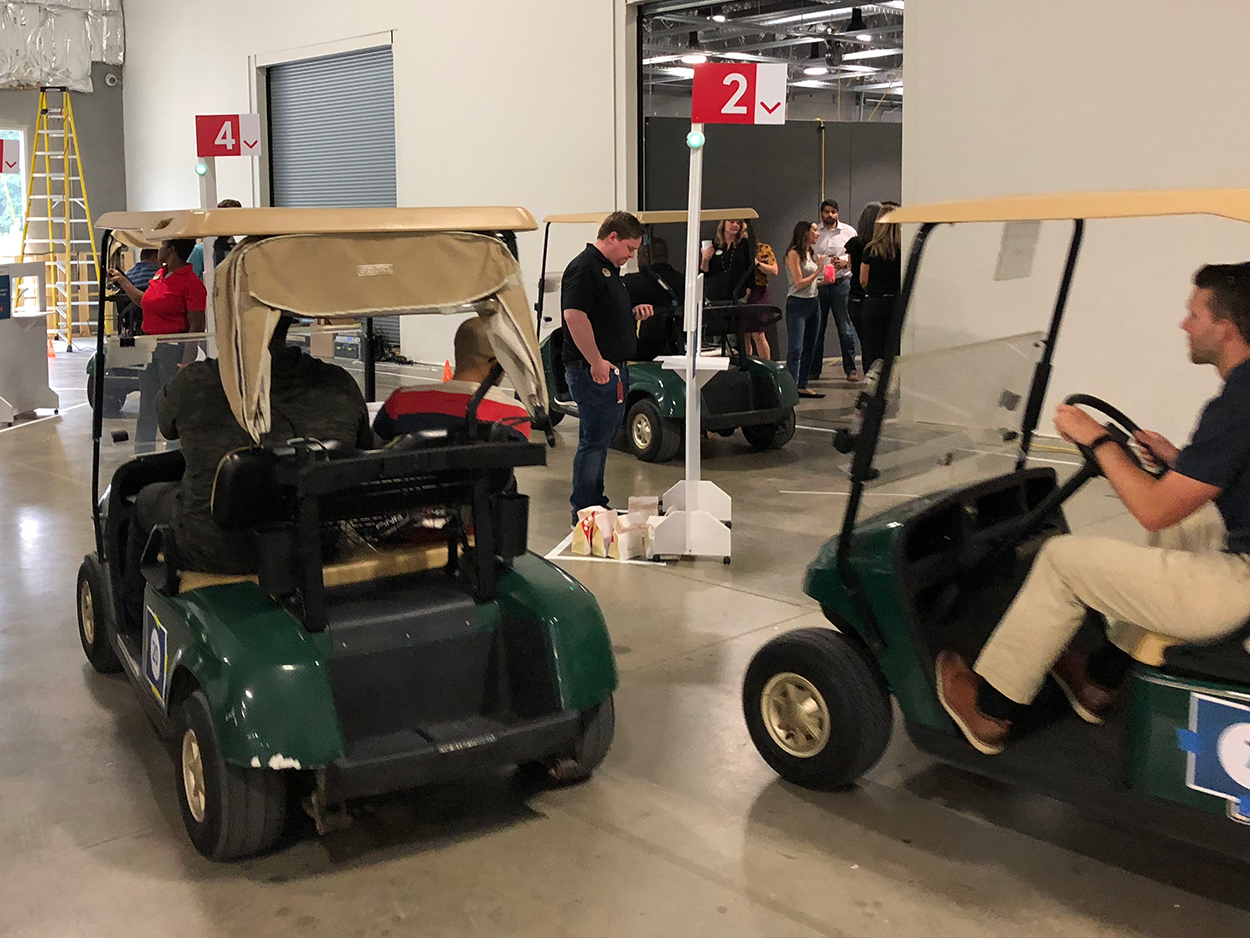
Getting a taste of the future
To push our designs and concepts, we married digital and physical processes. Using AR, VR, and XR simulations, we could quickly prototype and validate our designs and iterate.
Our custom simulation tools allowed us to tweak many variables while the simulations were running. You could then instantly see the affect on flow and throughput. We also utilized a portable virtual reality headset, to allow us and others the ability to “physically” walk through our digital designs.
This process allowed us to test, prototype, and validate solutions for both inside and outside to move Chick-fil-A into the future.
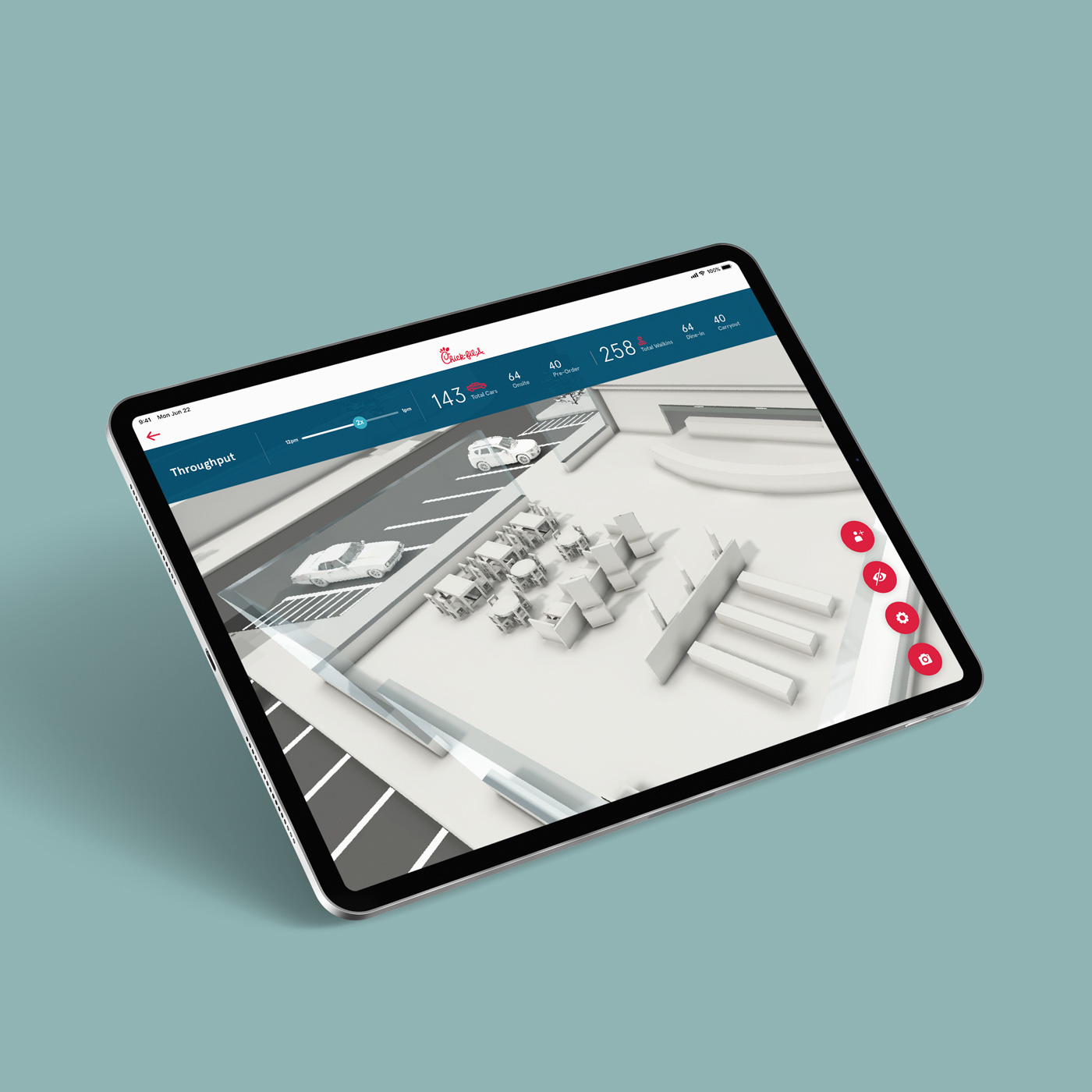

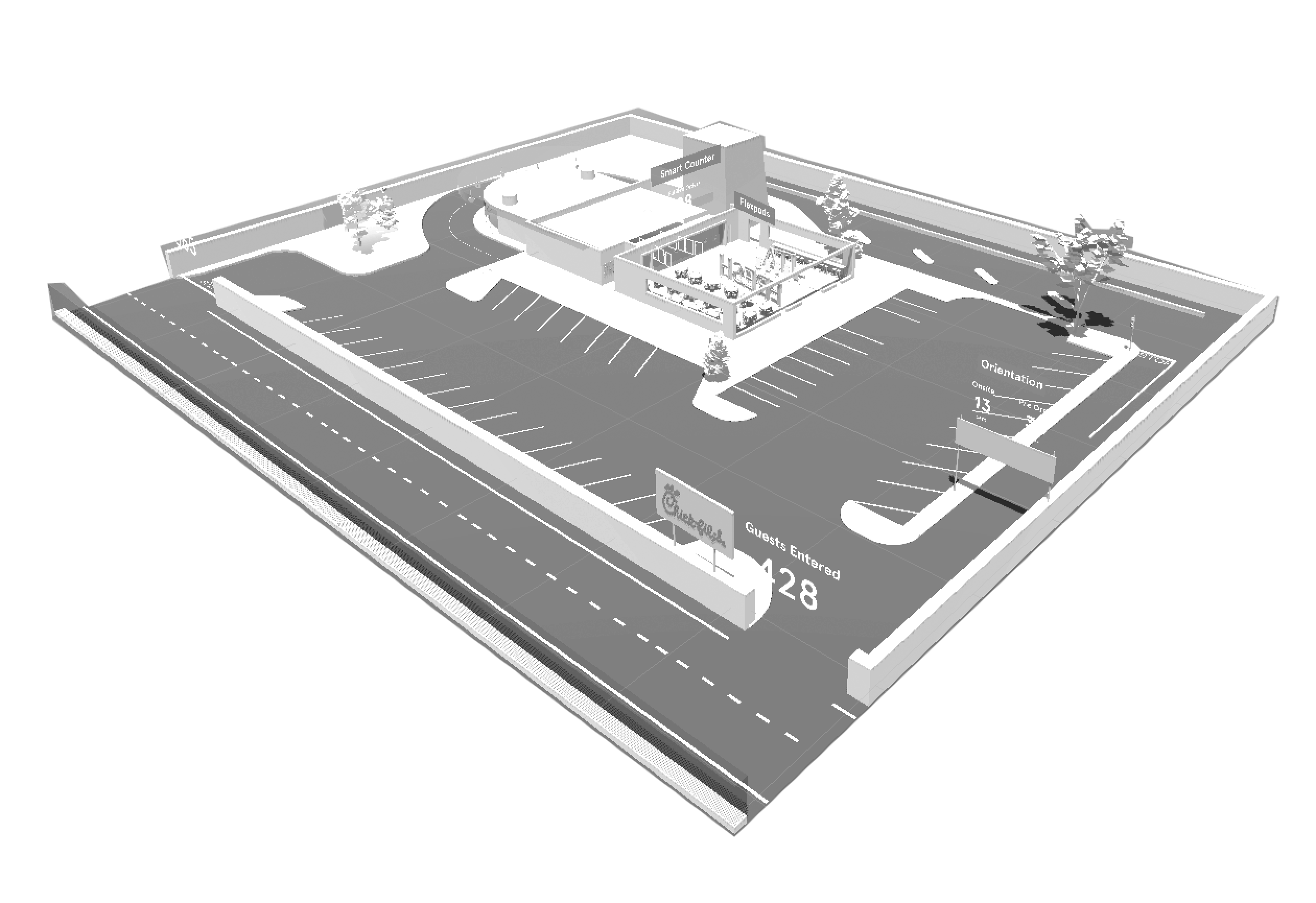
REALTIME SIMULATIONS
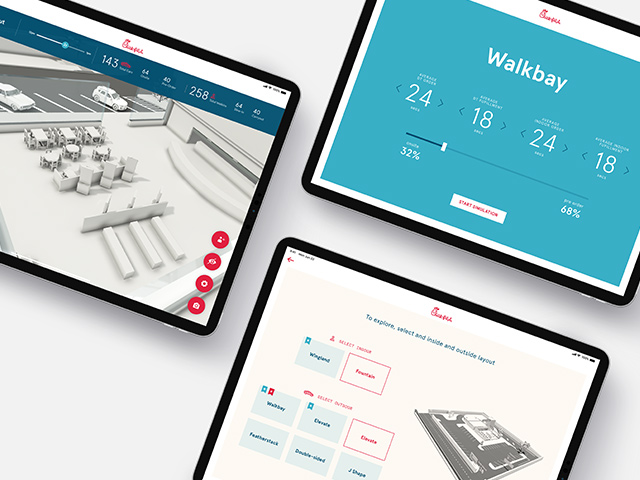
The simulations tested capacity at peak hours to help evaluate potential bottlenecks as well test as which components worked best.
AUGMENTED REALITY
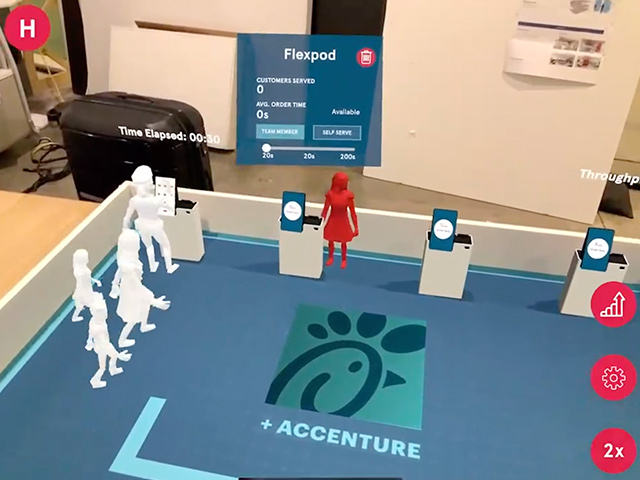
By placing physical models of components (such as a kiosk), we can use AR to instantly digitize them and run a simulation showing throughput and spacing.
VIRTUAL REALITY
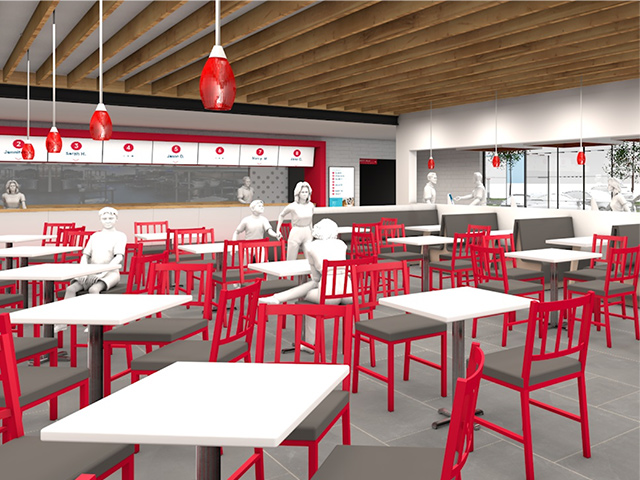
Using a VR headset, our concepts were simulated to understand capacity, flow, and throughput. The team could move around freely in the virtual environment.
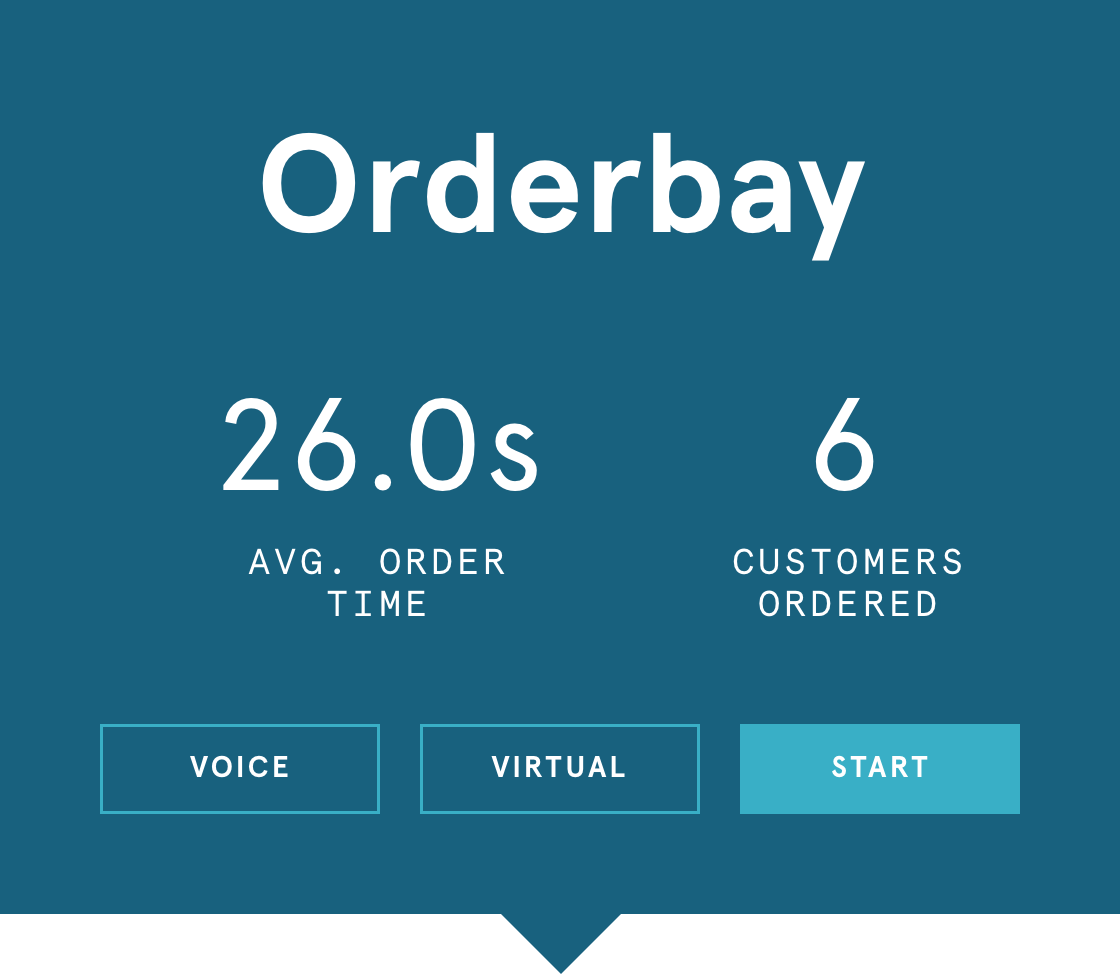
DIGITAL PROTOTYPES
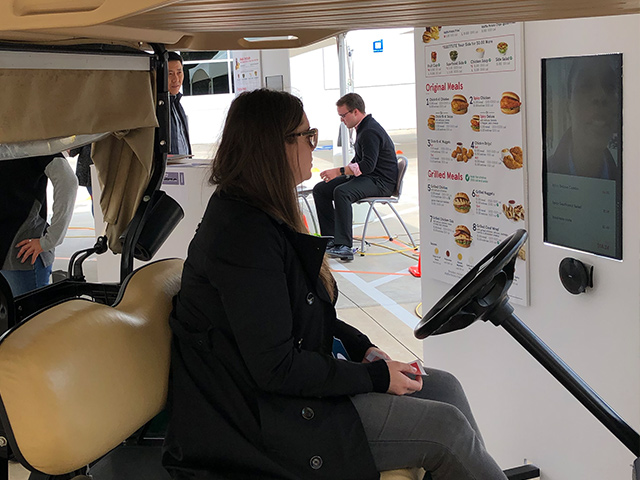
Custom web apps were developed to enable a more realistic live simulation with customers in our physical test environments
2025 and Beyond
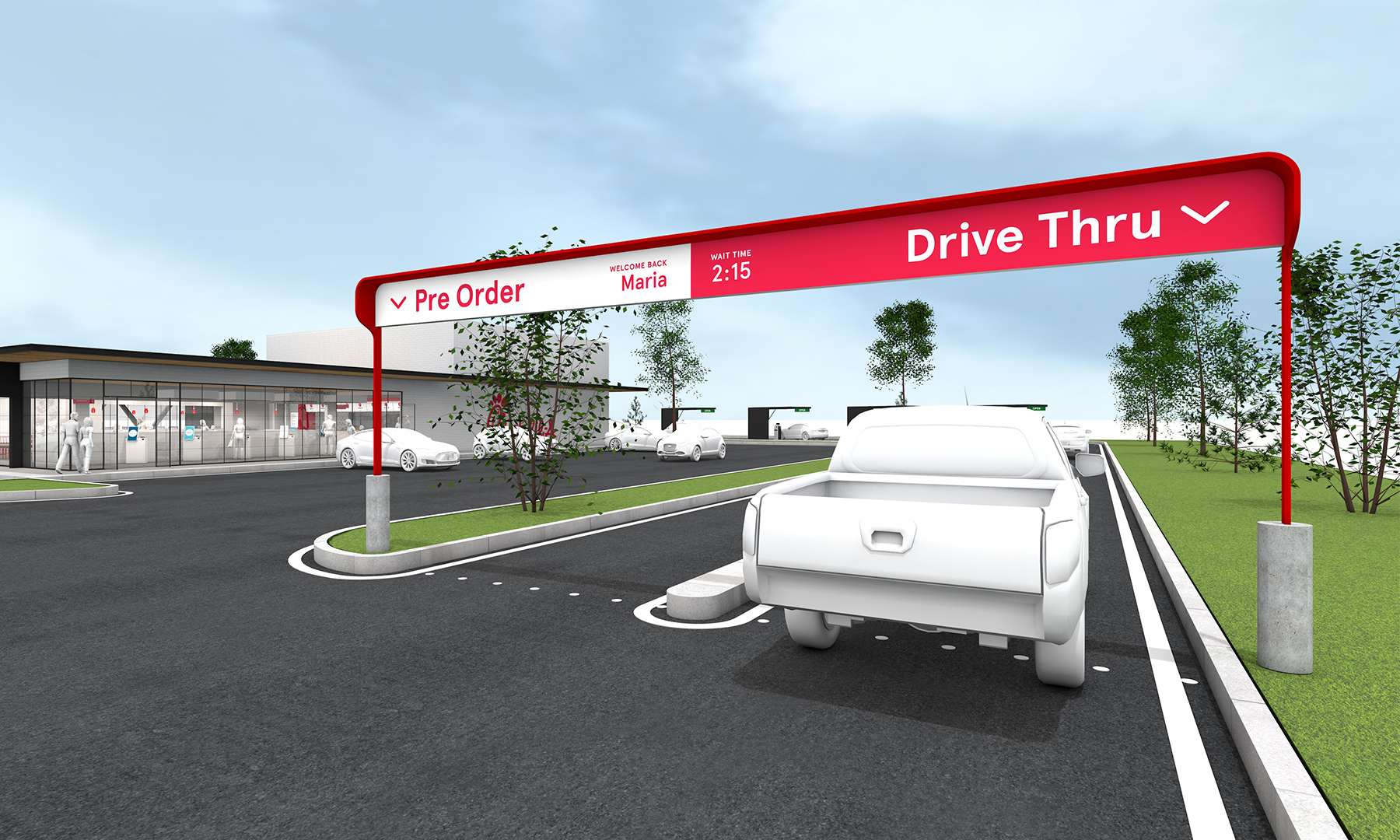
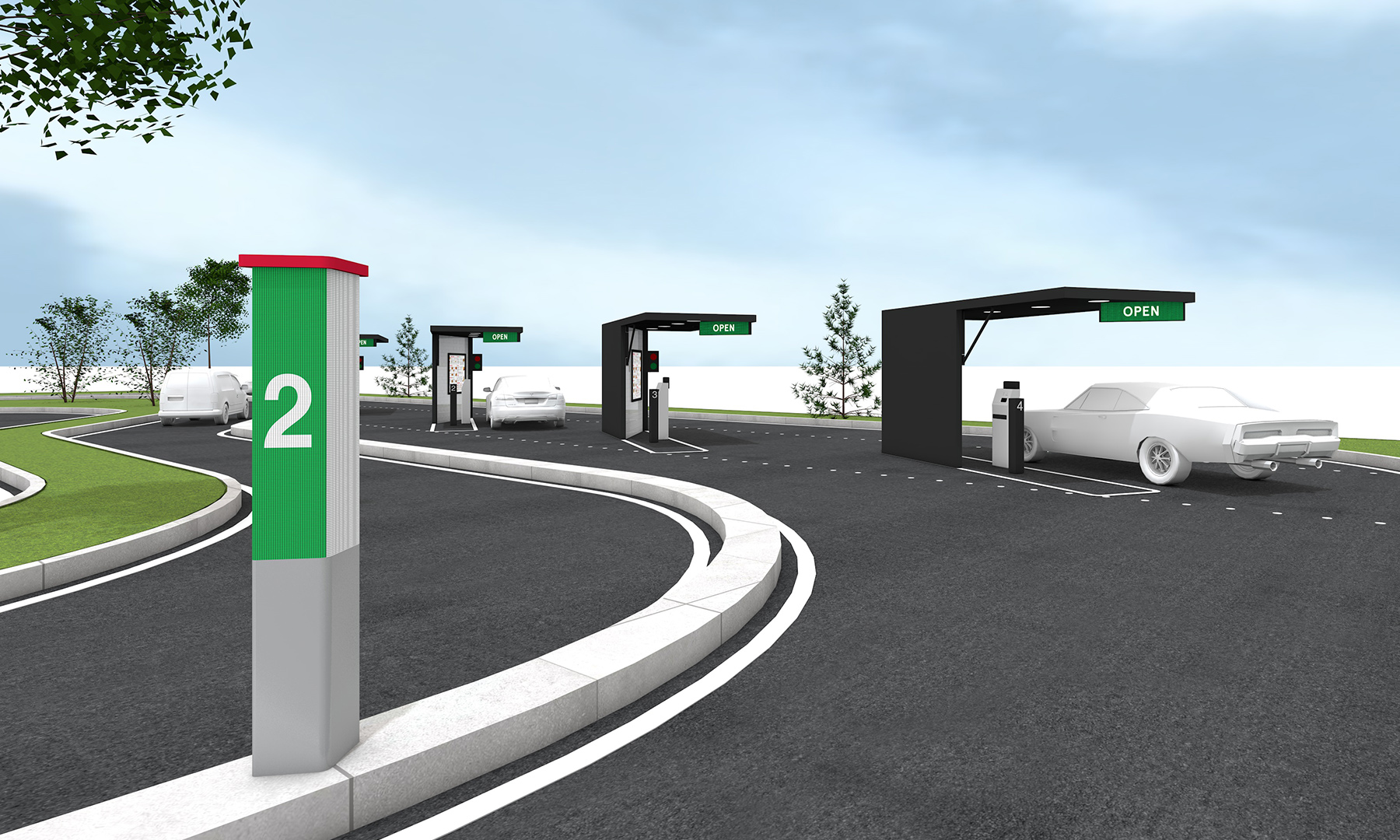
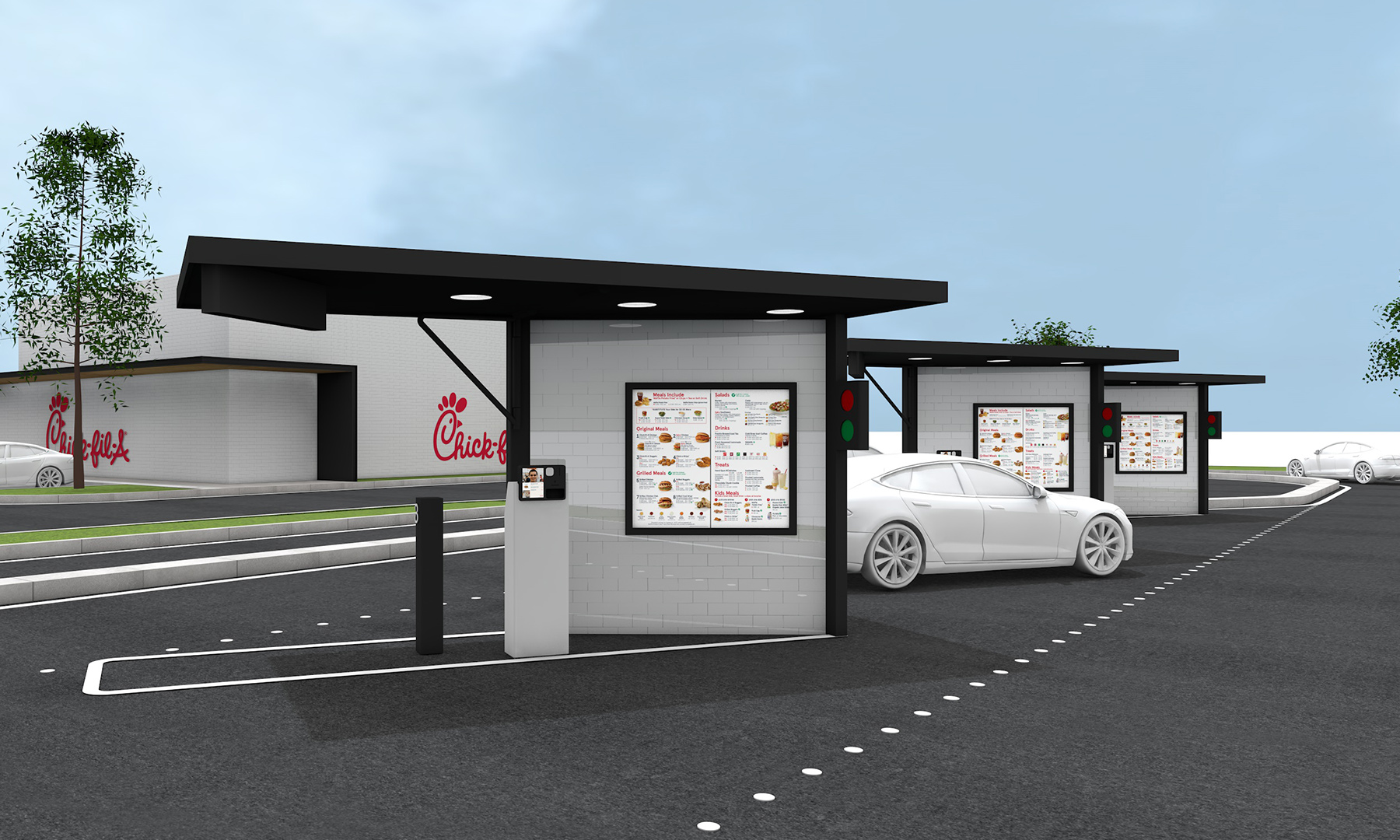
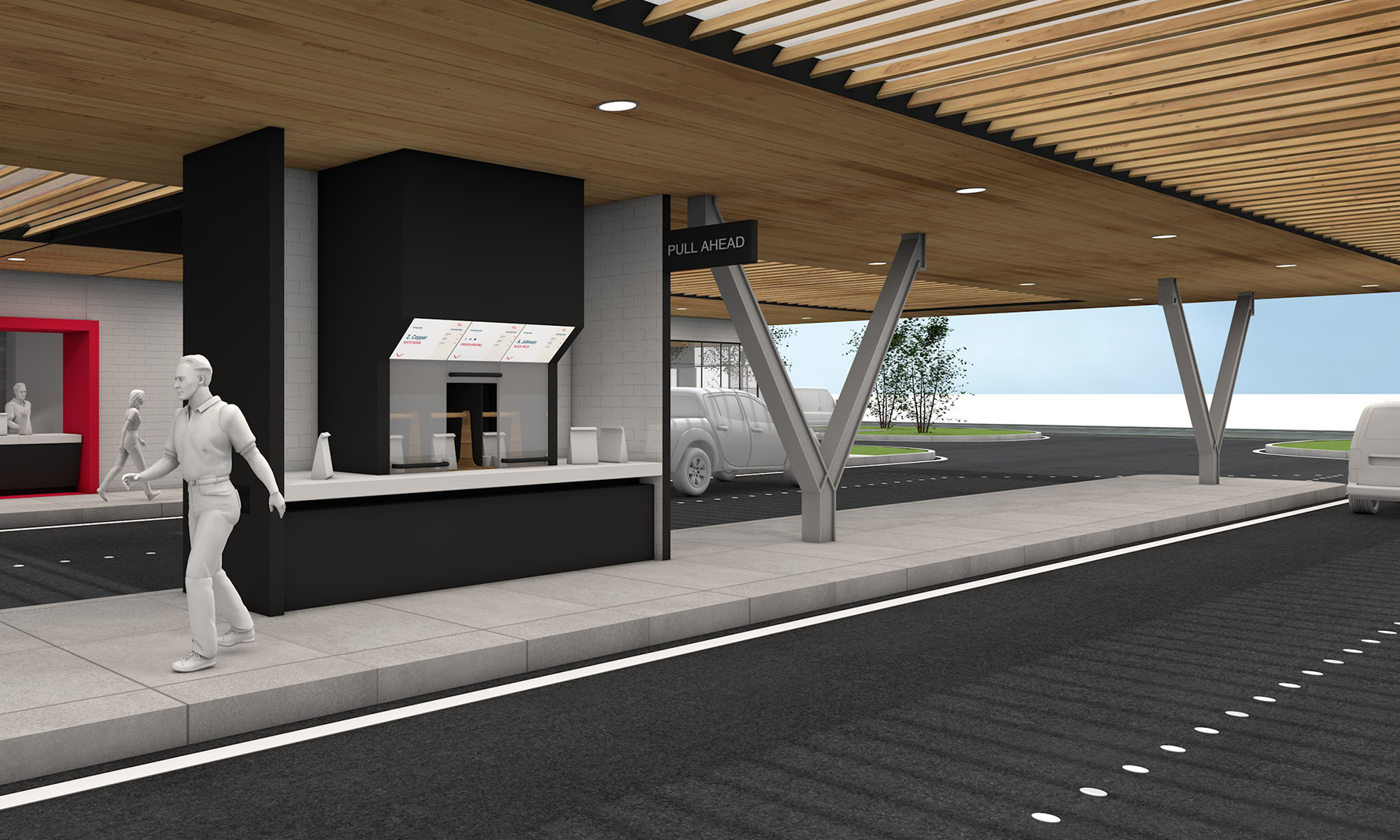
After 12 sprints of ideating, iterating, and testing, the team created a restaurant and drive-thru experience that seamlessly enables the rapidly evolving ways that Customers will want to engage with Chick-fil-A in 2025 and beyond.
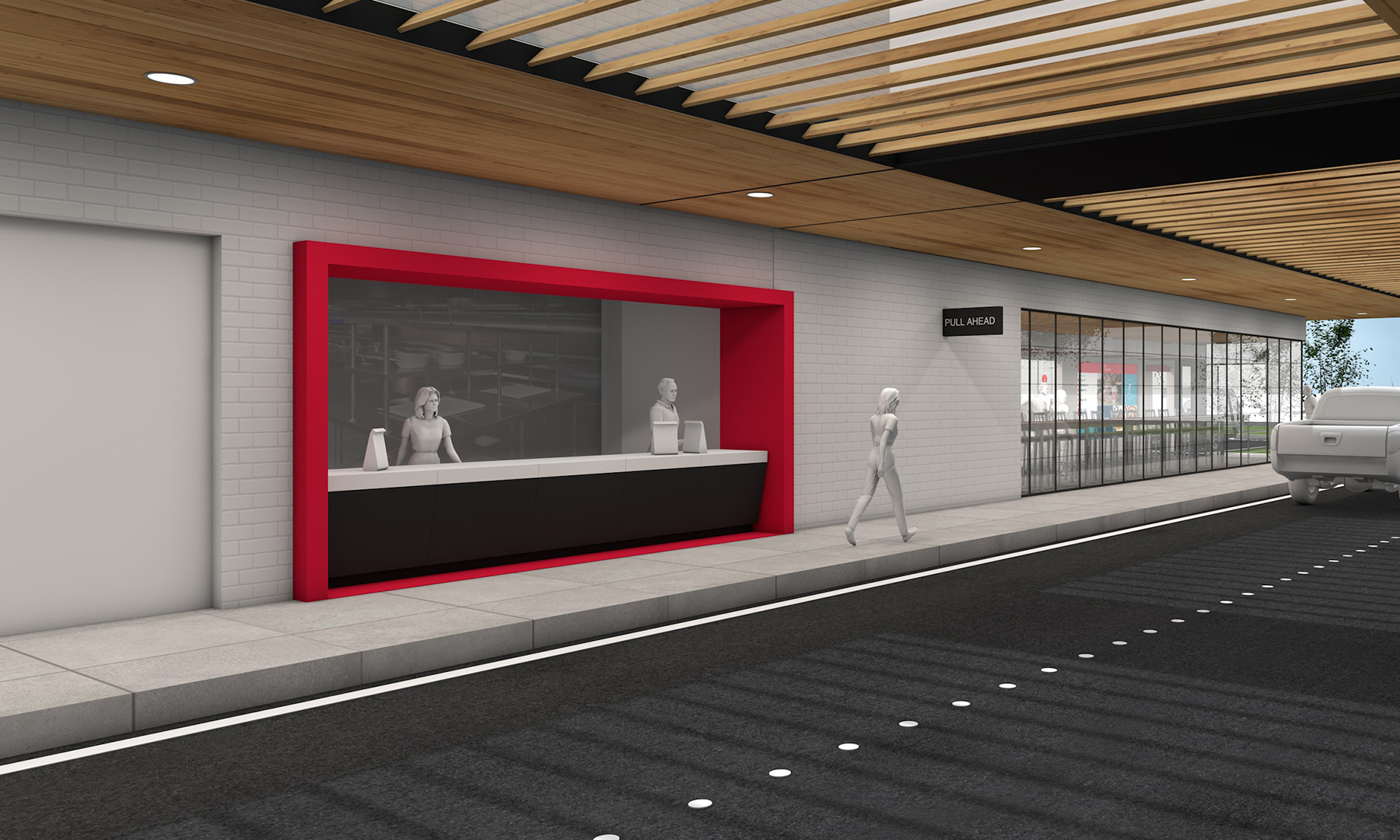
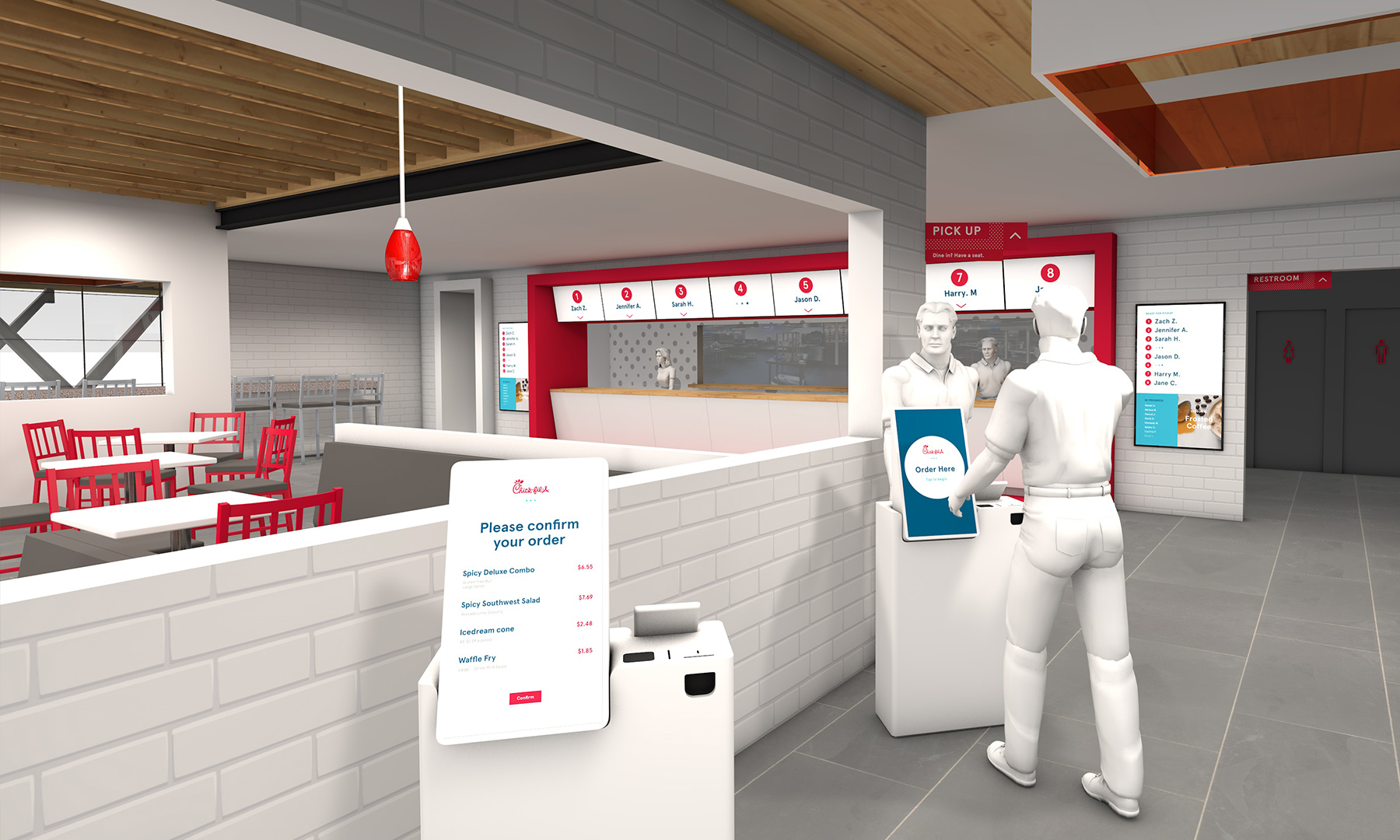
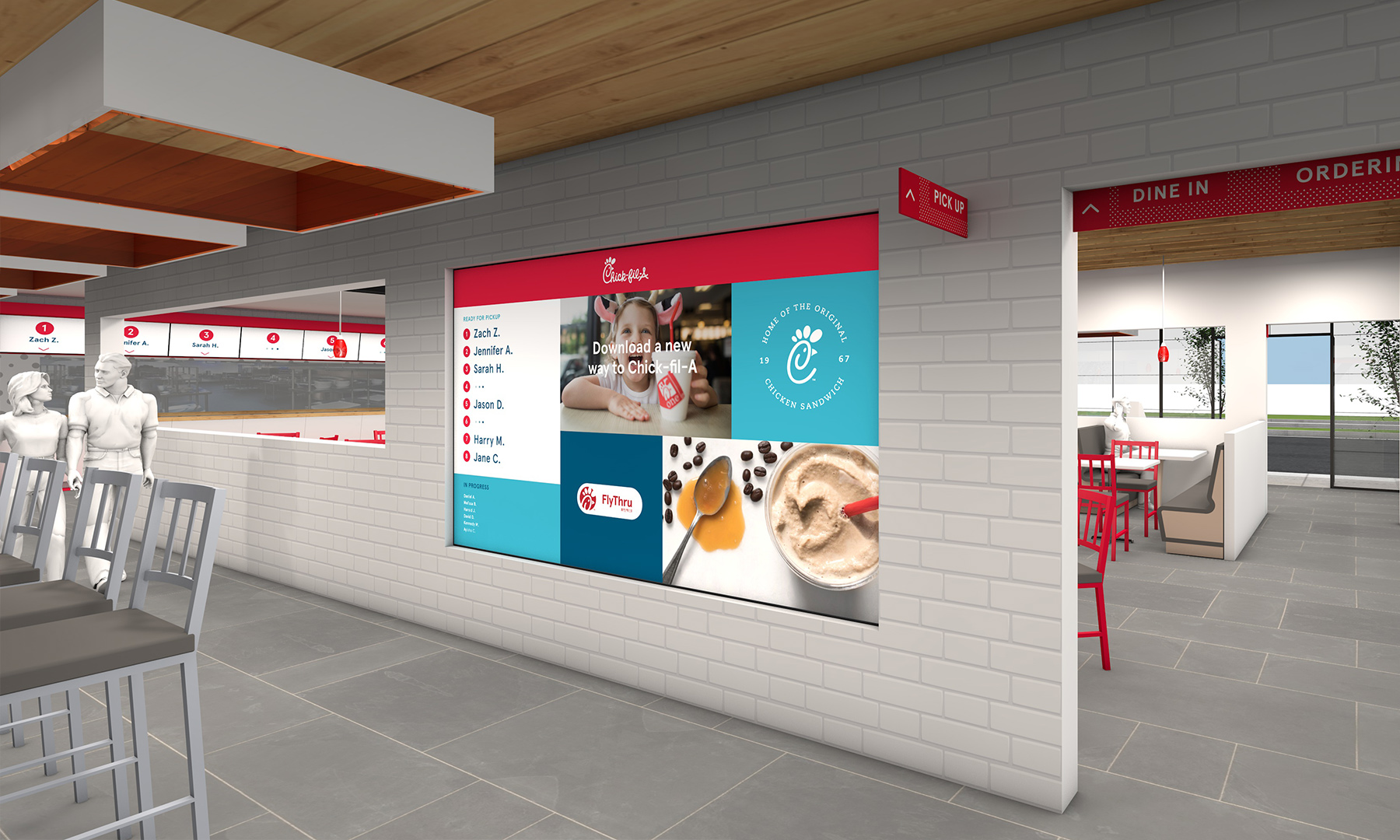
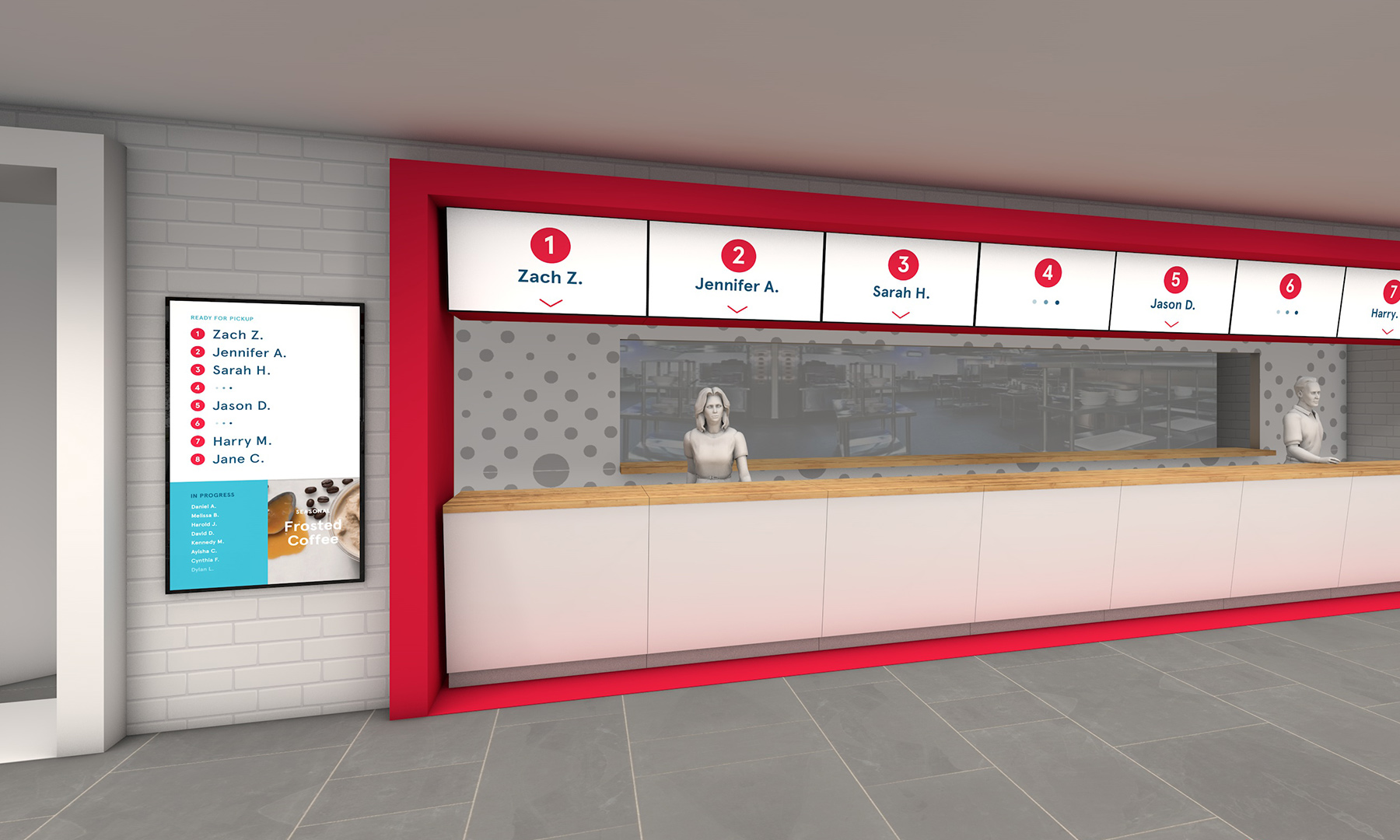
In the future experience, guests will experience a personal, convenient, hospitable, and frictionless experience inside and outside the restaurant. Guests can easily and safely navigate to their desired destination, while creating a safe experience for Team Members to provide hospitality. The designs also increase through-put and disperses tasks by providing multiple access points to deliver and receive food.
Drive Thru of the Future
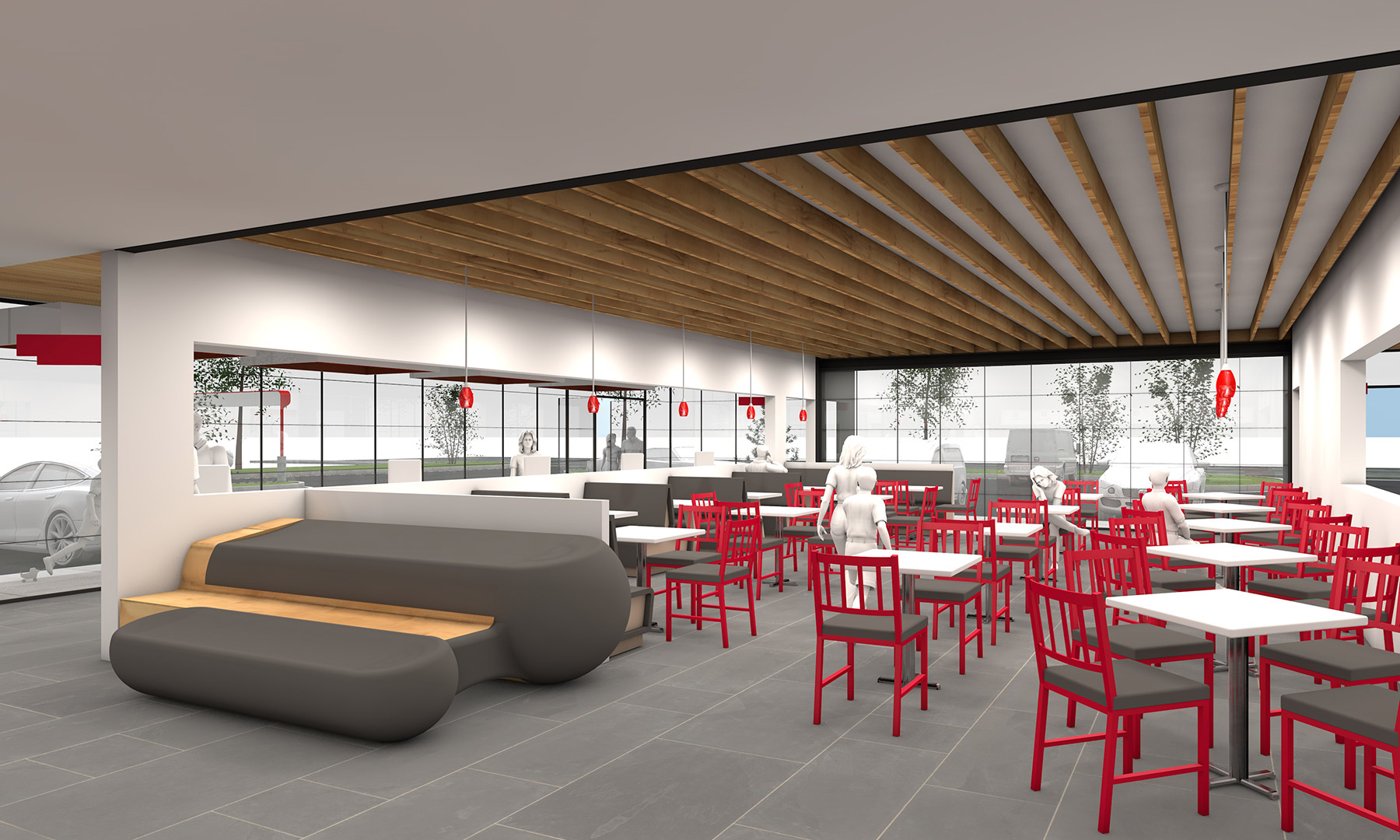
Dine In of the Future
Challenges to the Future
The Chick-fil-A brand is one that is known for its high touch service. Using technology as the sole means to solve throughput issues was always at a tension. We learned that guests preferred interacting with Team Members when possible, but are open to self-service if it means faster service.
Also, the organization is very thorough and slow moving when it comes to implementing new ideas. With franchises being a big part of their offering, new services will require buy-in from operators due to the investment needed.

