
Tracking my shipments
Trax is a customer facing app that modernizes service visibility while elevating the Norfolk Southern service experience
my role
Design lead through end to end process: discovery, user research, user experience and visual design
team
Kristi Champion, Project Manager
Kevin Panke, Design Director
Samantha Singell, Visual Design
Jackie Walsh, Interaction Design
Heather Roberts, Interaction Design
Charmant Tan, Interaction Design
Searching high and low for shipments
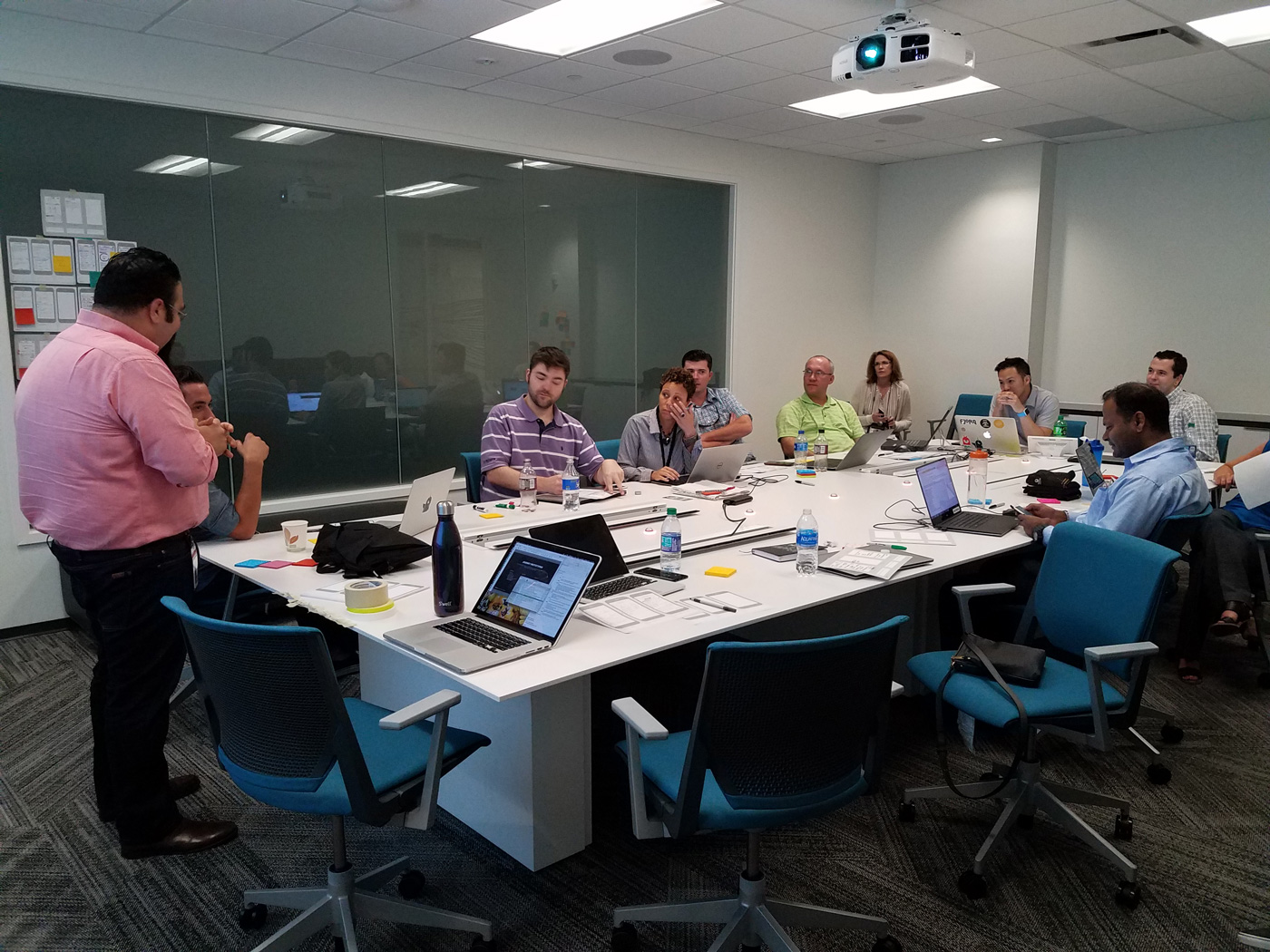
After reviewing the vision and determining where customers could be impacted the quickest, we helped to design a customer facing application to modernize service visibility.
Before the design work began, we interviewed customers to learn what pain points currently exist. Trax gives customers a new way to spot likely delays, identify cars sitting idle for extended periods, and proactively adjust planning and ordering as needed. This application also helps to elevate the Norfolk Southern brand experience through a sophisticated digital touch point.
Getting the app on track
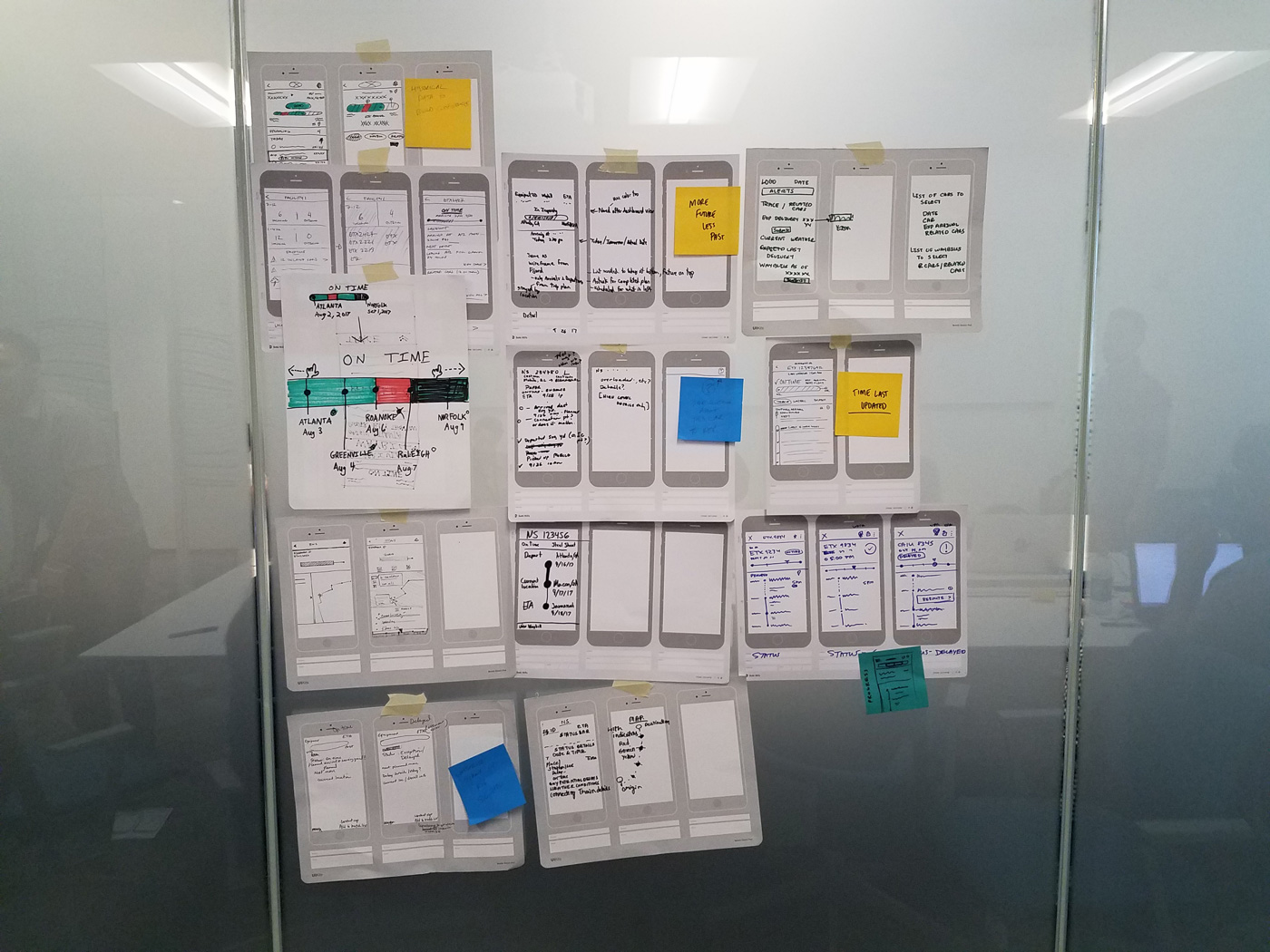
After gathering use cases, we started the process of mapping out the architecture, sketching out solutions, and creating wireframes for the application.
Heads up display
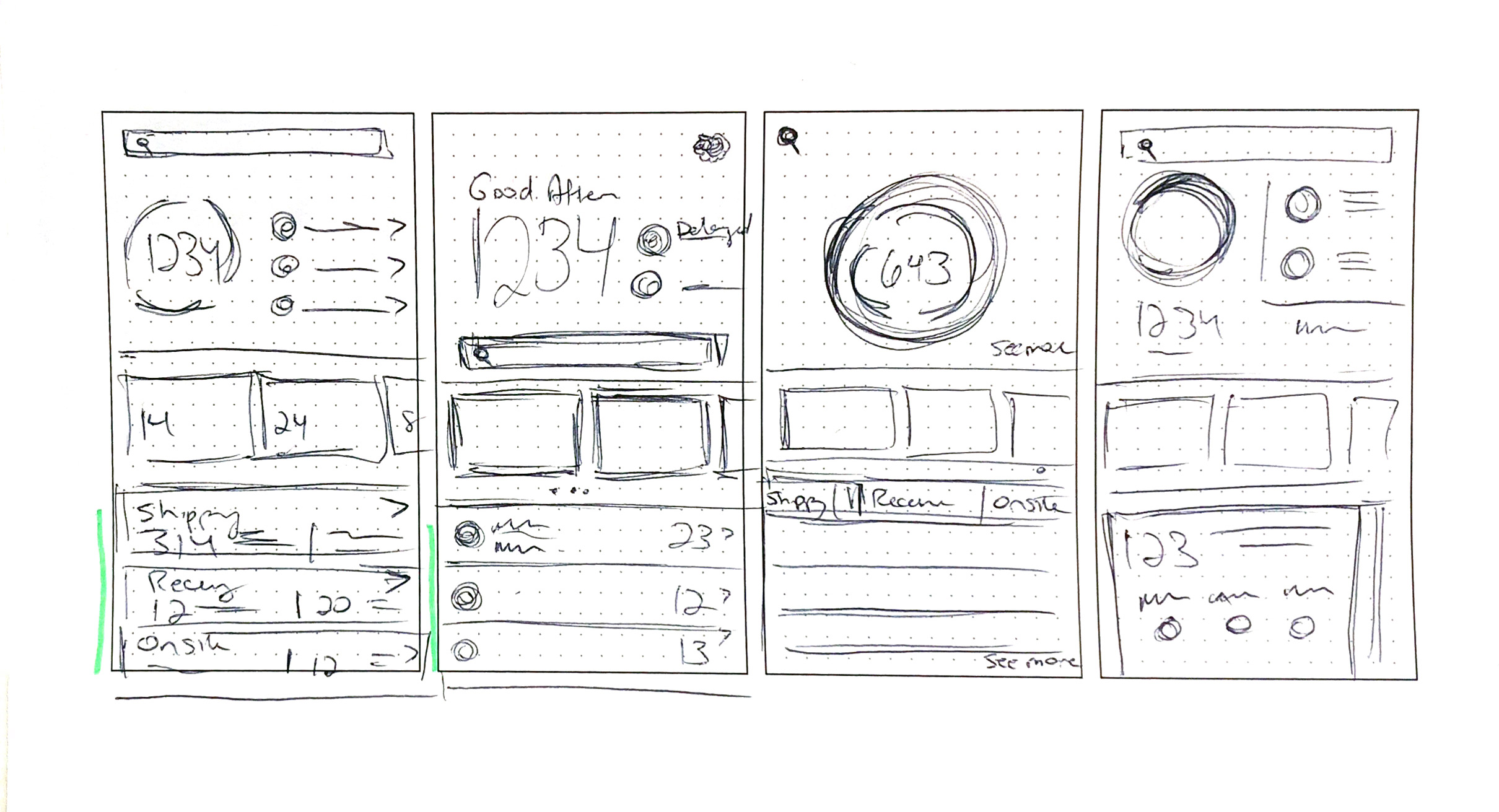
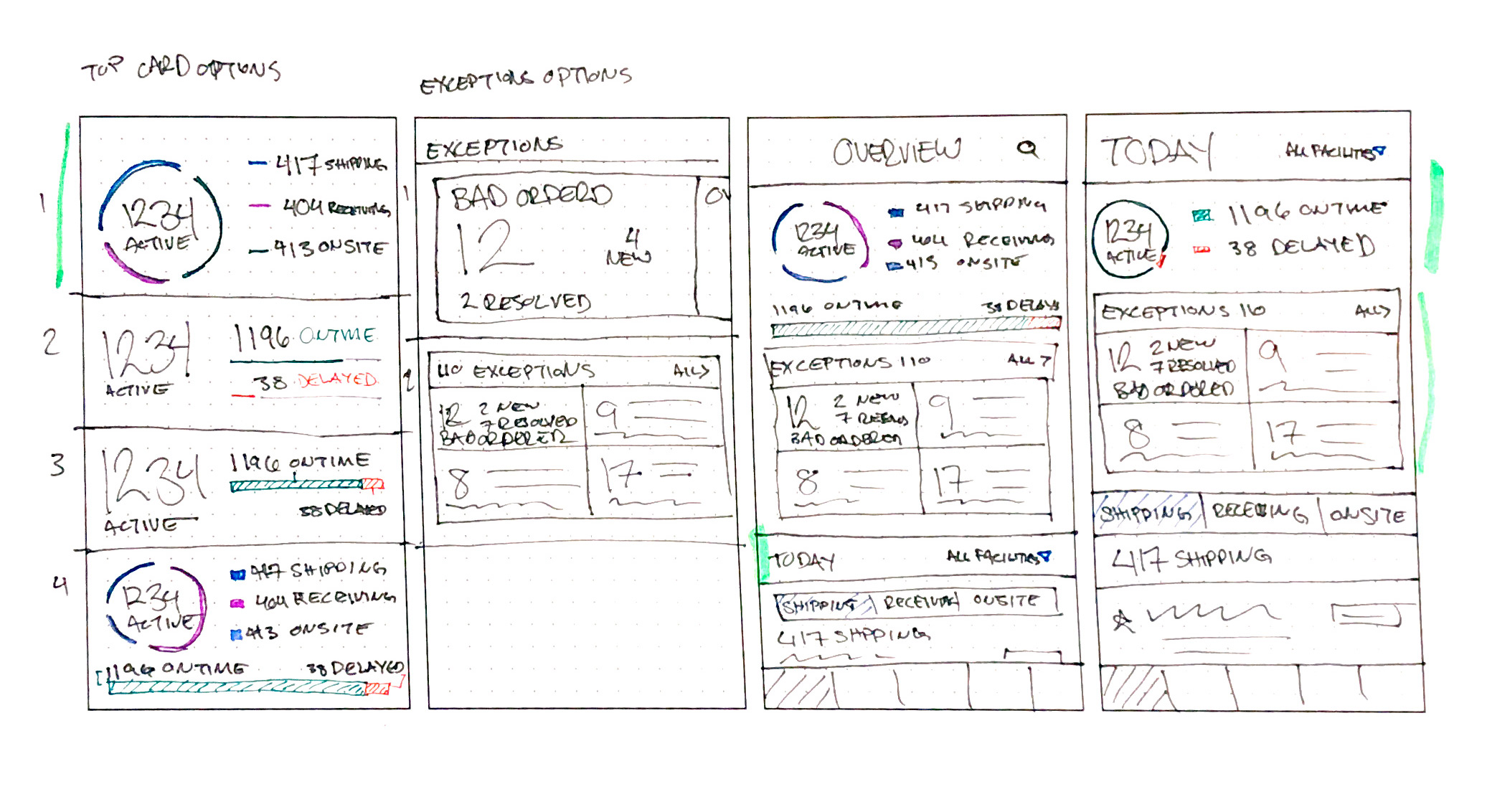
For the various users of the application, having a quick view of all of the shipments and exceptions is vital.
Using data collected during our discovery, quick sketches were created to really understand what data needed to be displayed, and how to do it most effectively.
Going with the flows
As sketches became wireframes, interaction patterns had to be determined for the app. Real content was also sourced to make it more accurate.
Bird’s Eye View
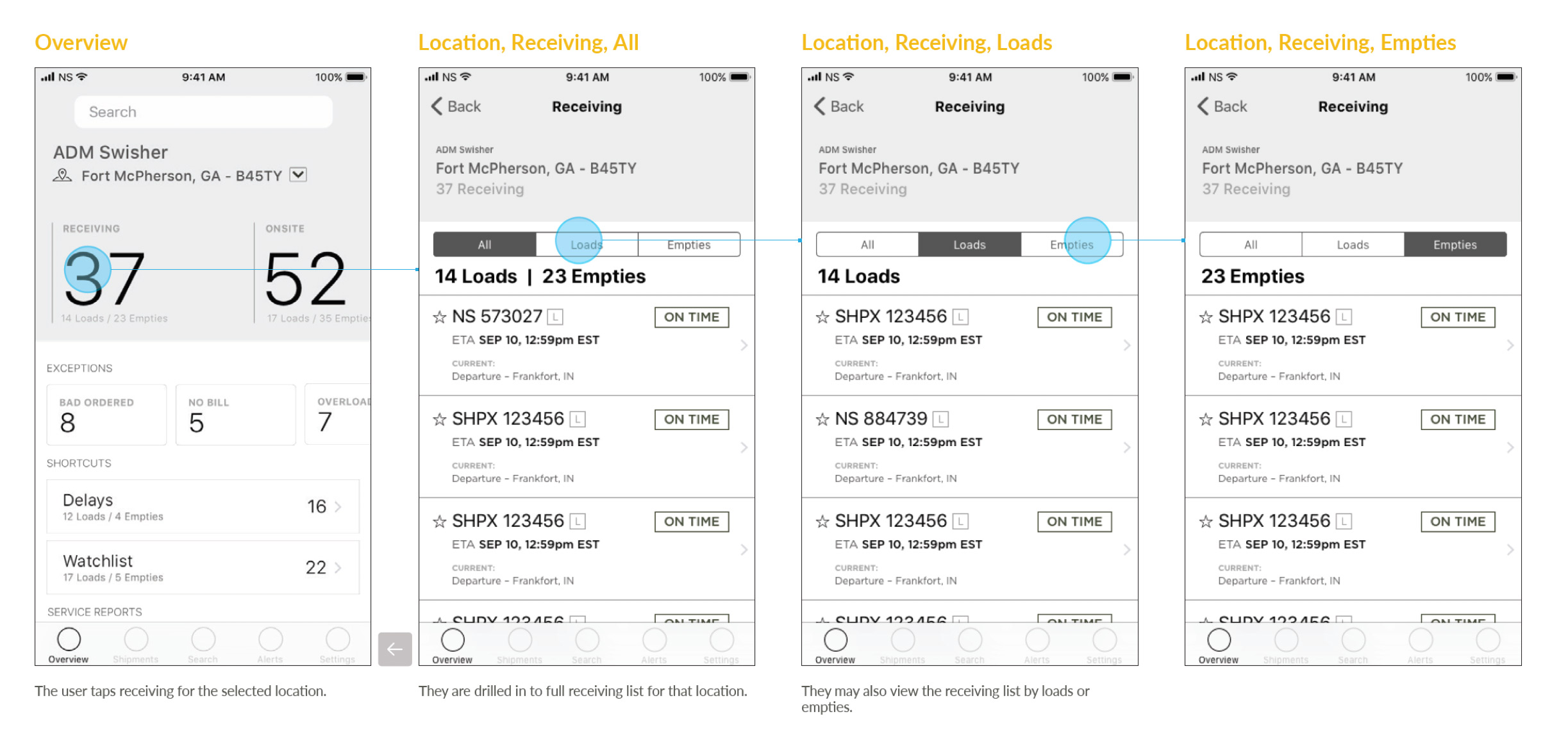
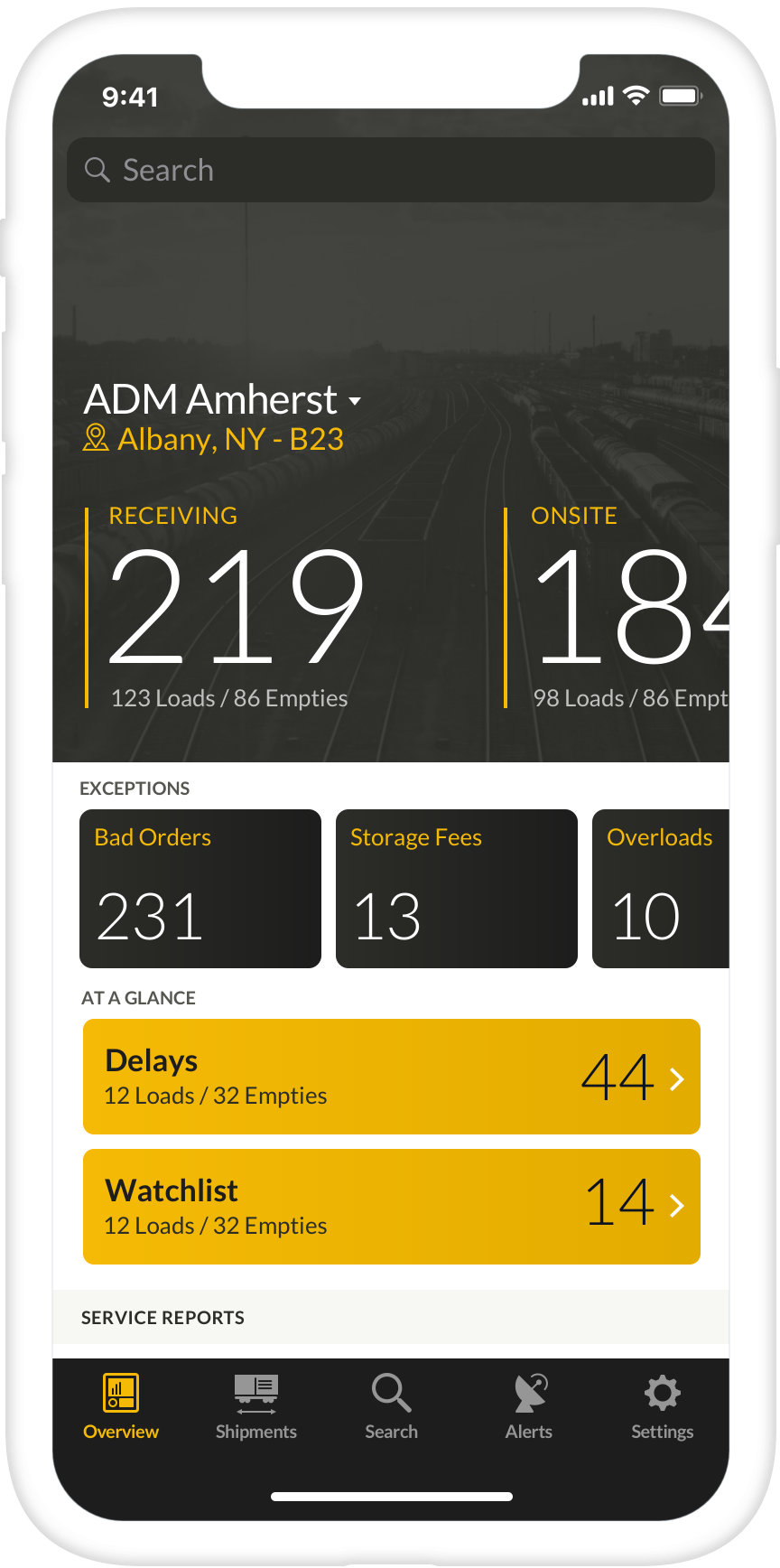
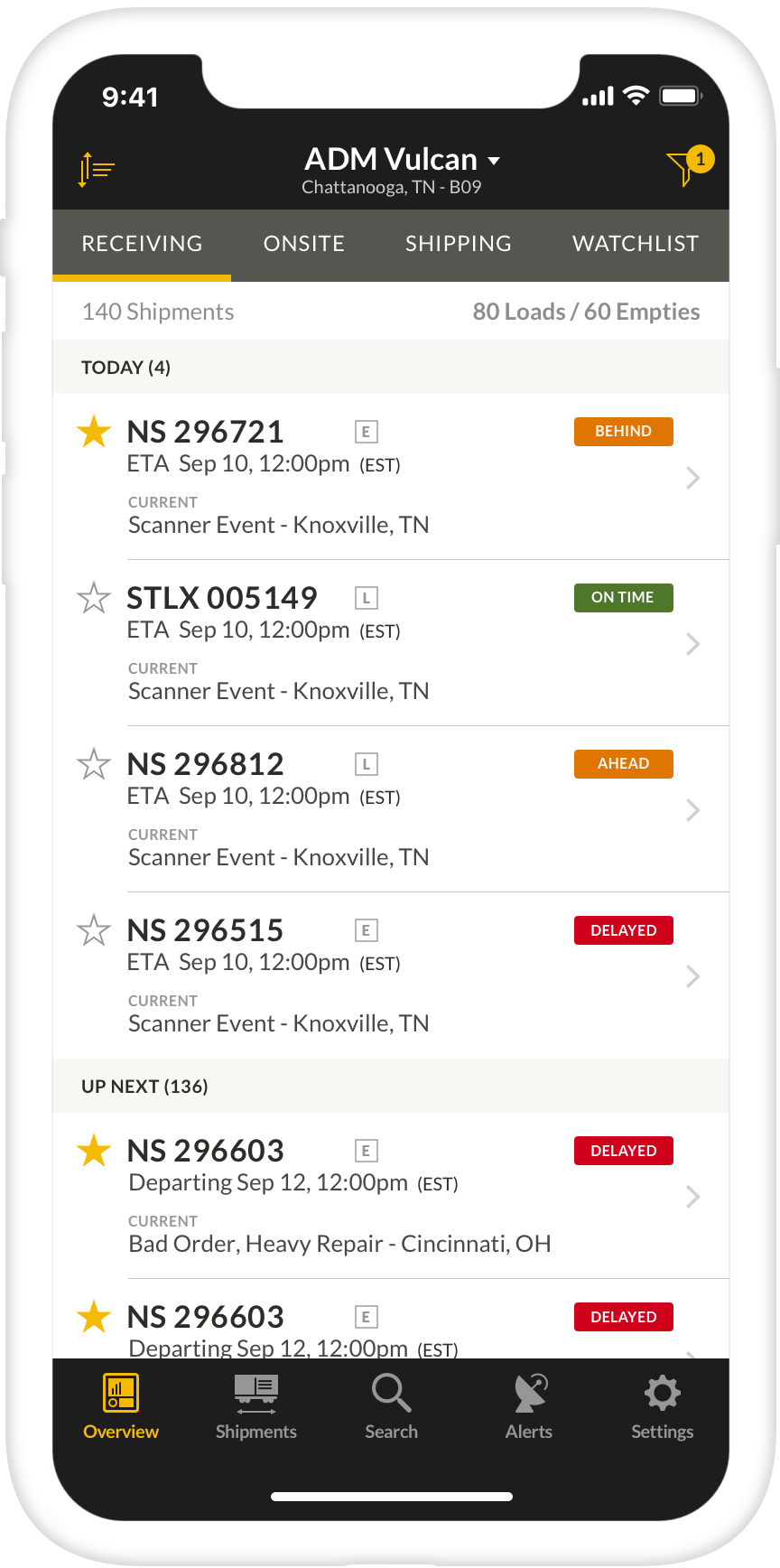
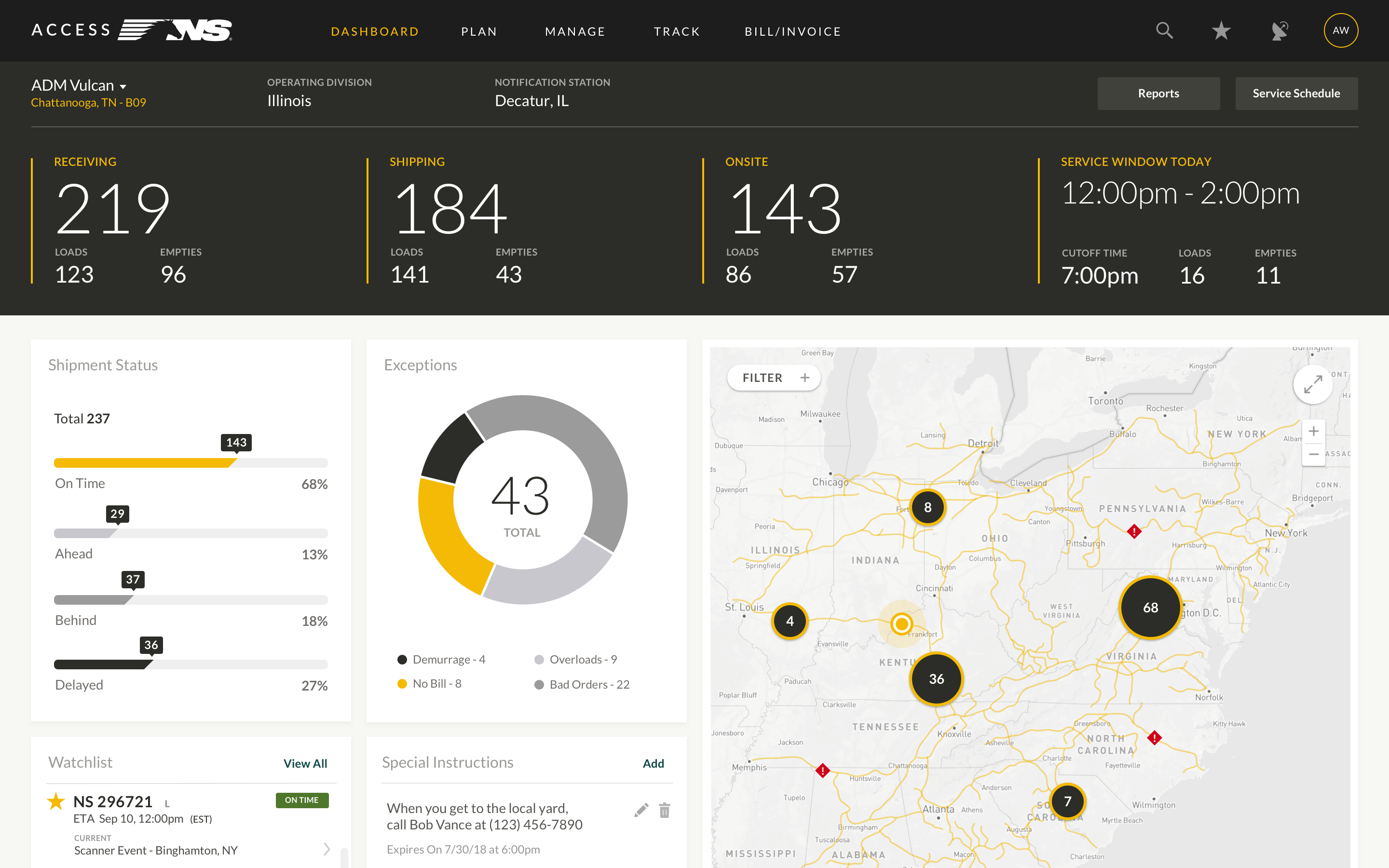
From the dashboard, customers can track cars inbound and outbound from one or multiple locations on the NS network.
- View train cars at various locations including loaded and empties
- Easily view and track cars that are delayed
- Quickly track cars that have mechanical issues and storage fees, and potential overloads
Shipment Details
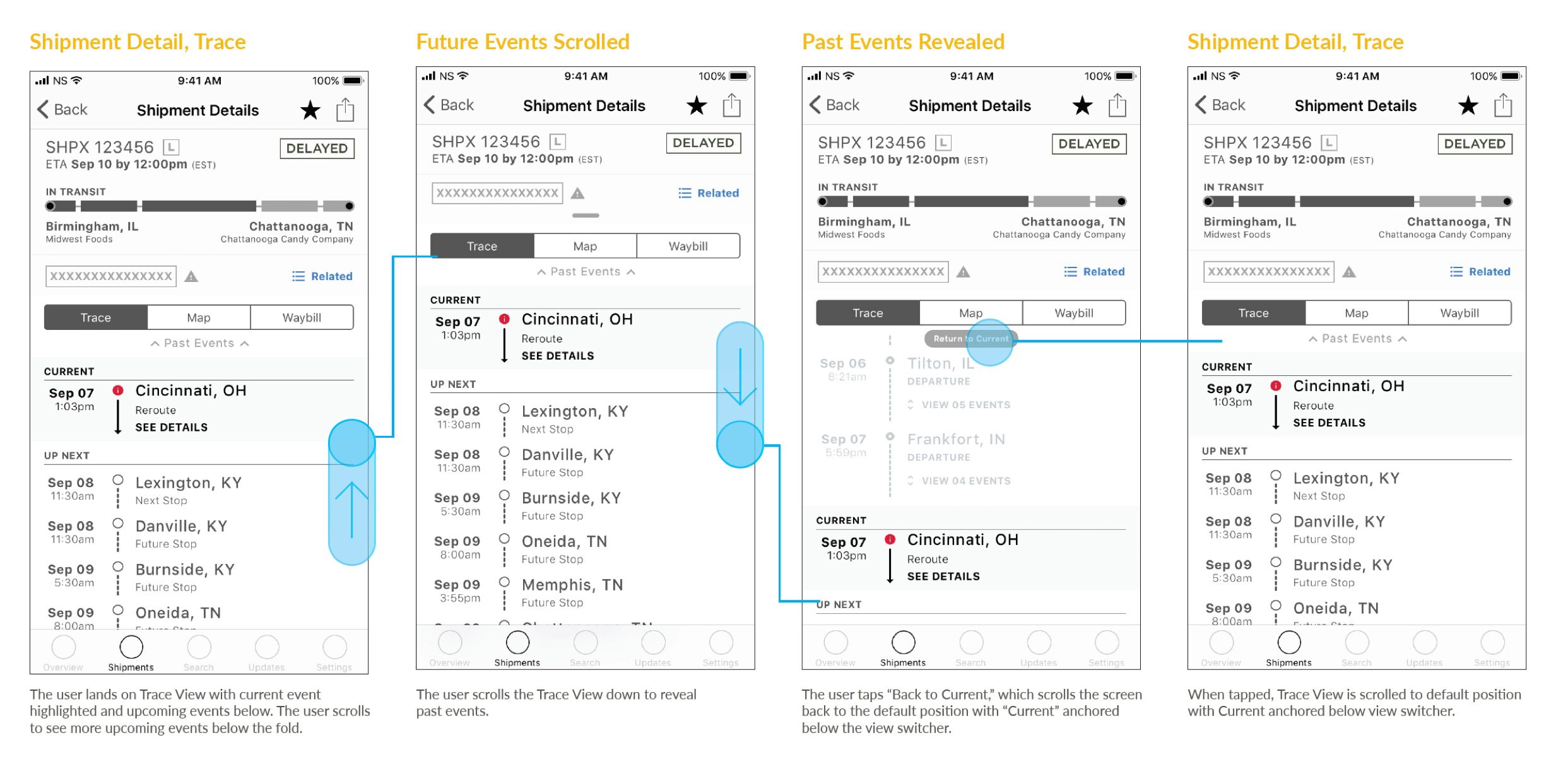
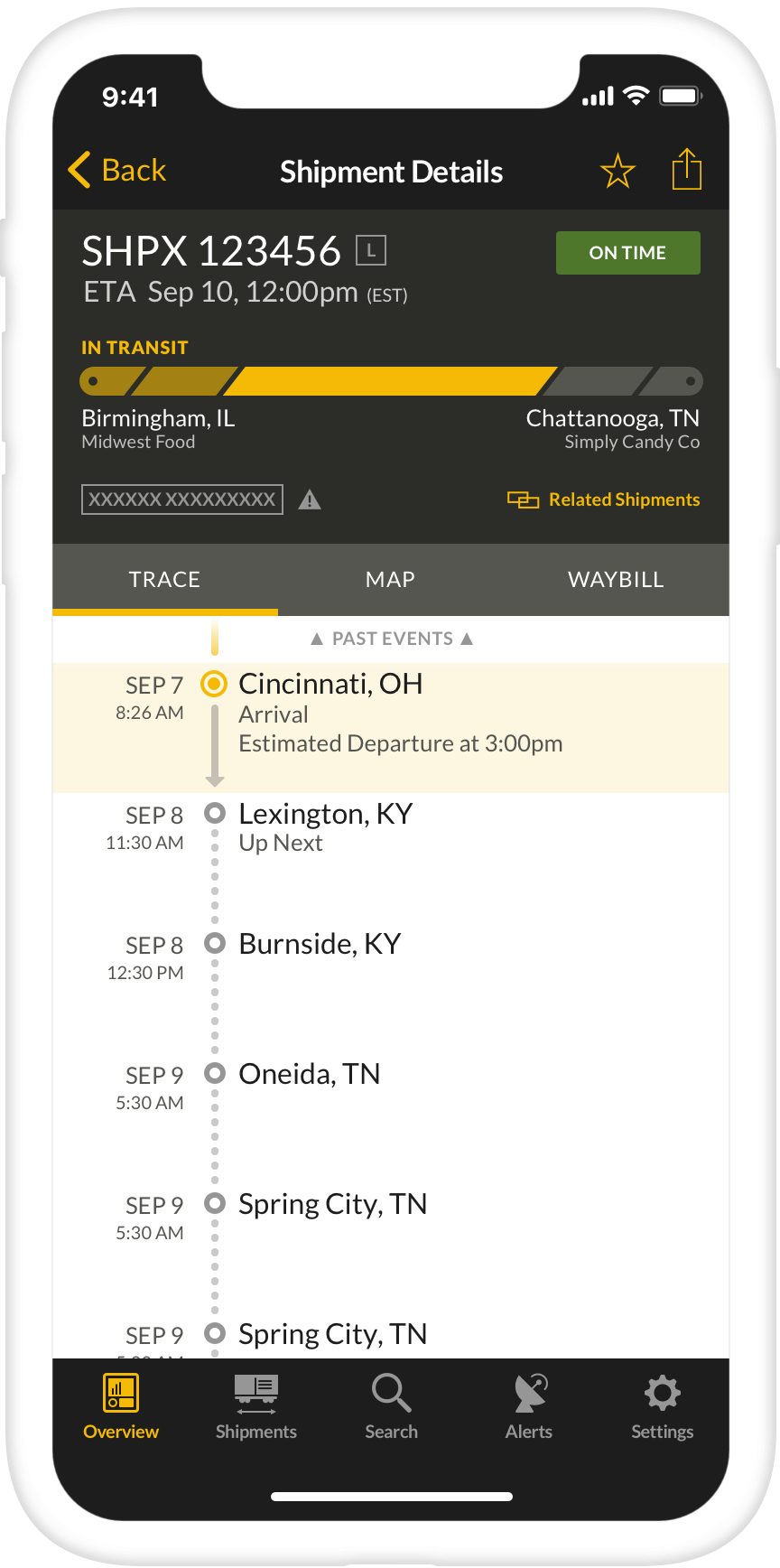
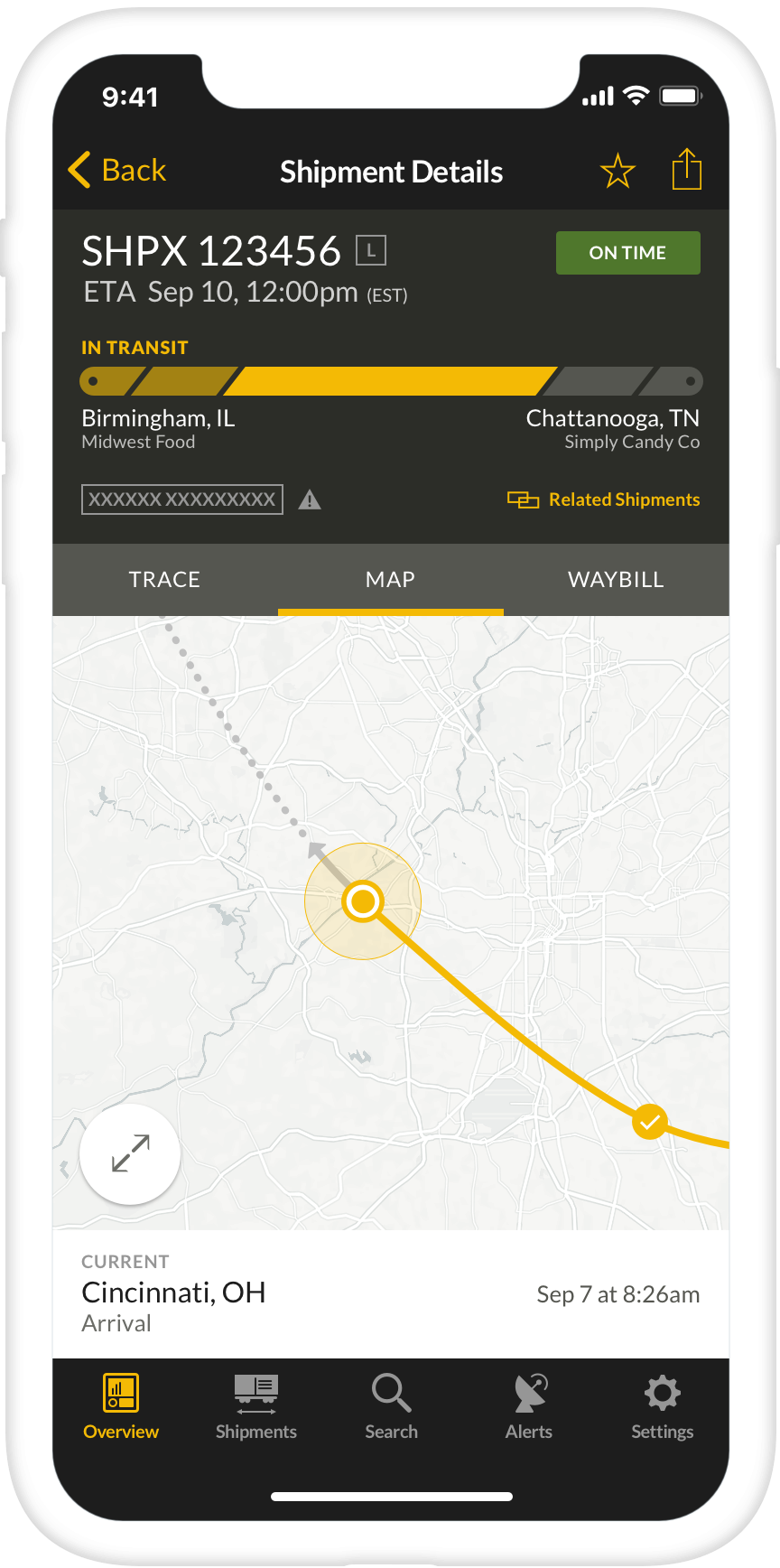
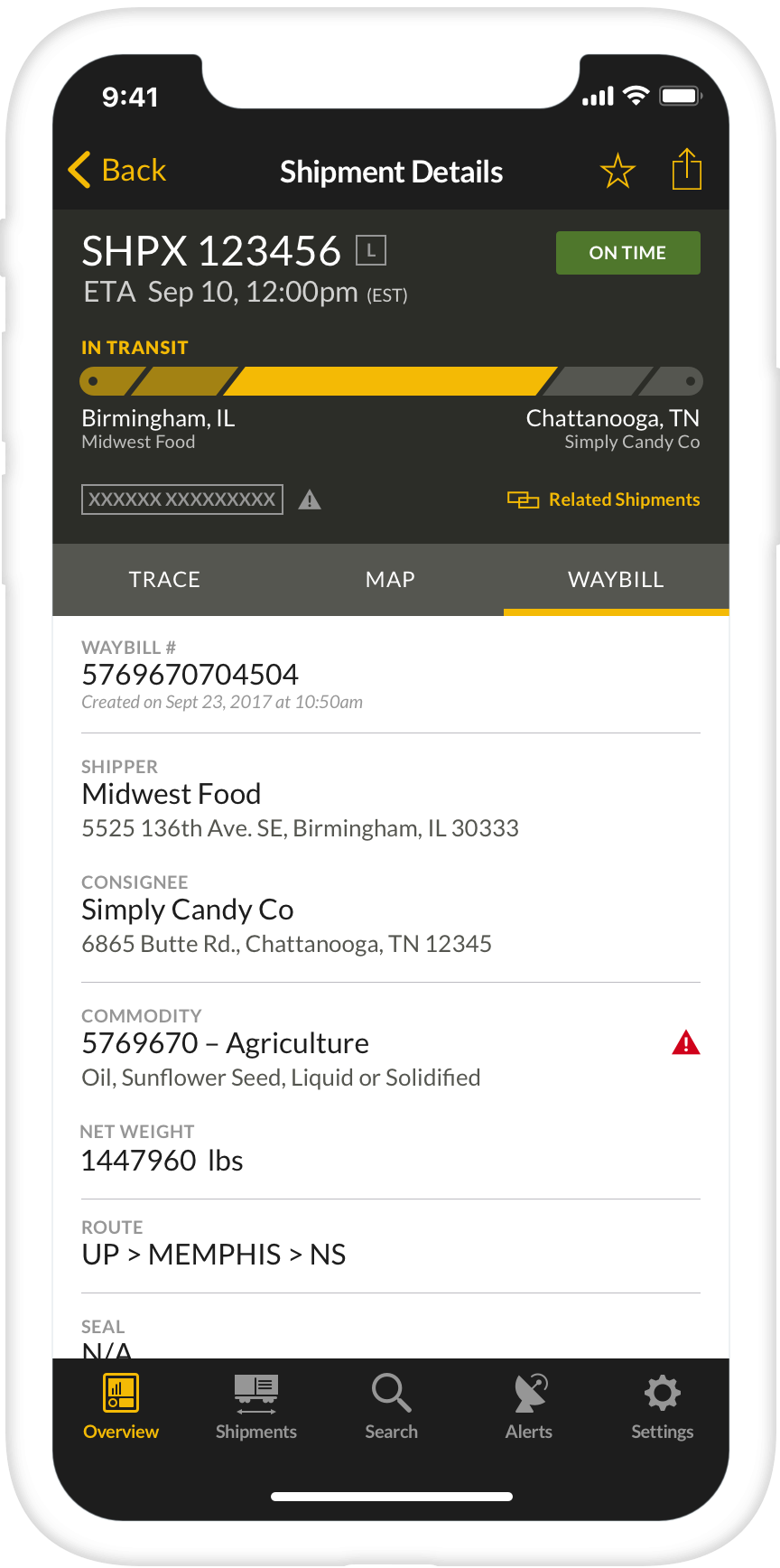
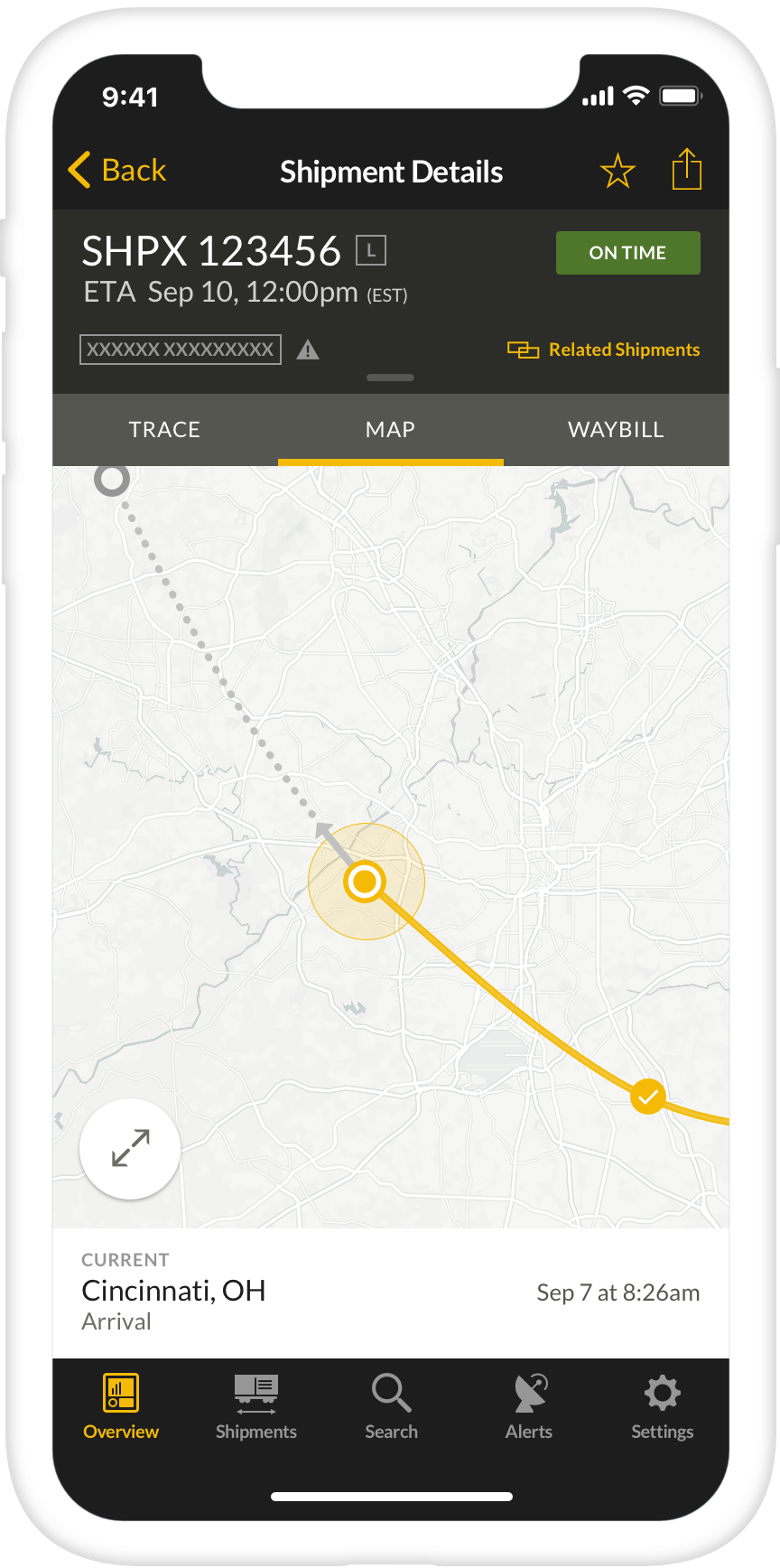
If details are needed for a particular car, customers can trace a shipment through every location as well as view it on a map.
Each shipment provides customers with the ability to view ETA, status, current location, commodity.
Customers can also add the item to the Watchlist so they can track it in more detail or set a specific alert on a status change.
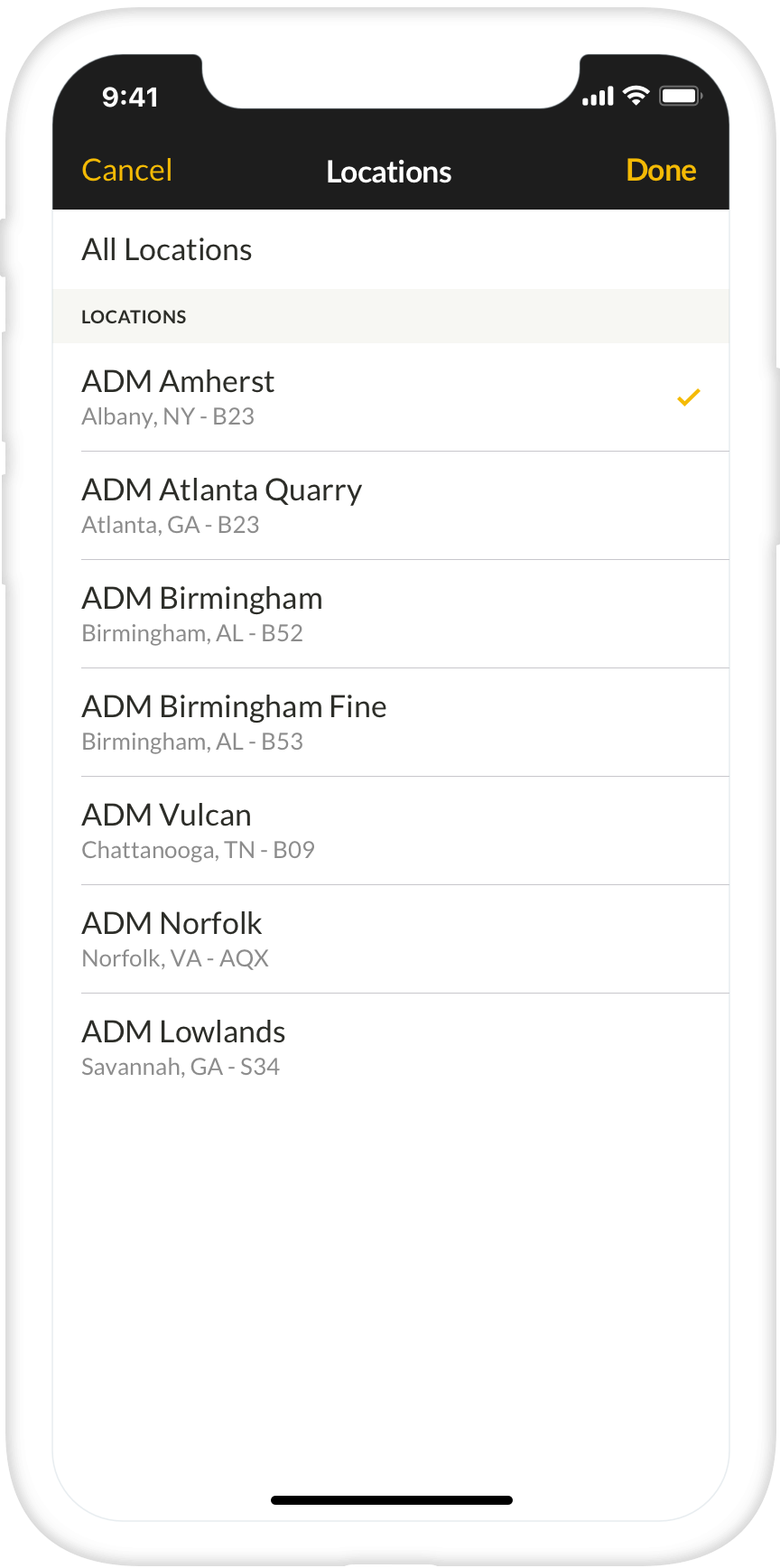
Sort My Shipments
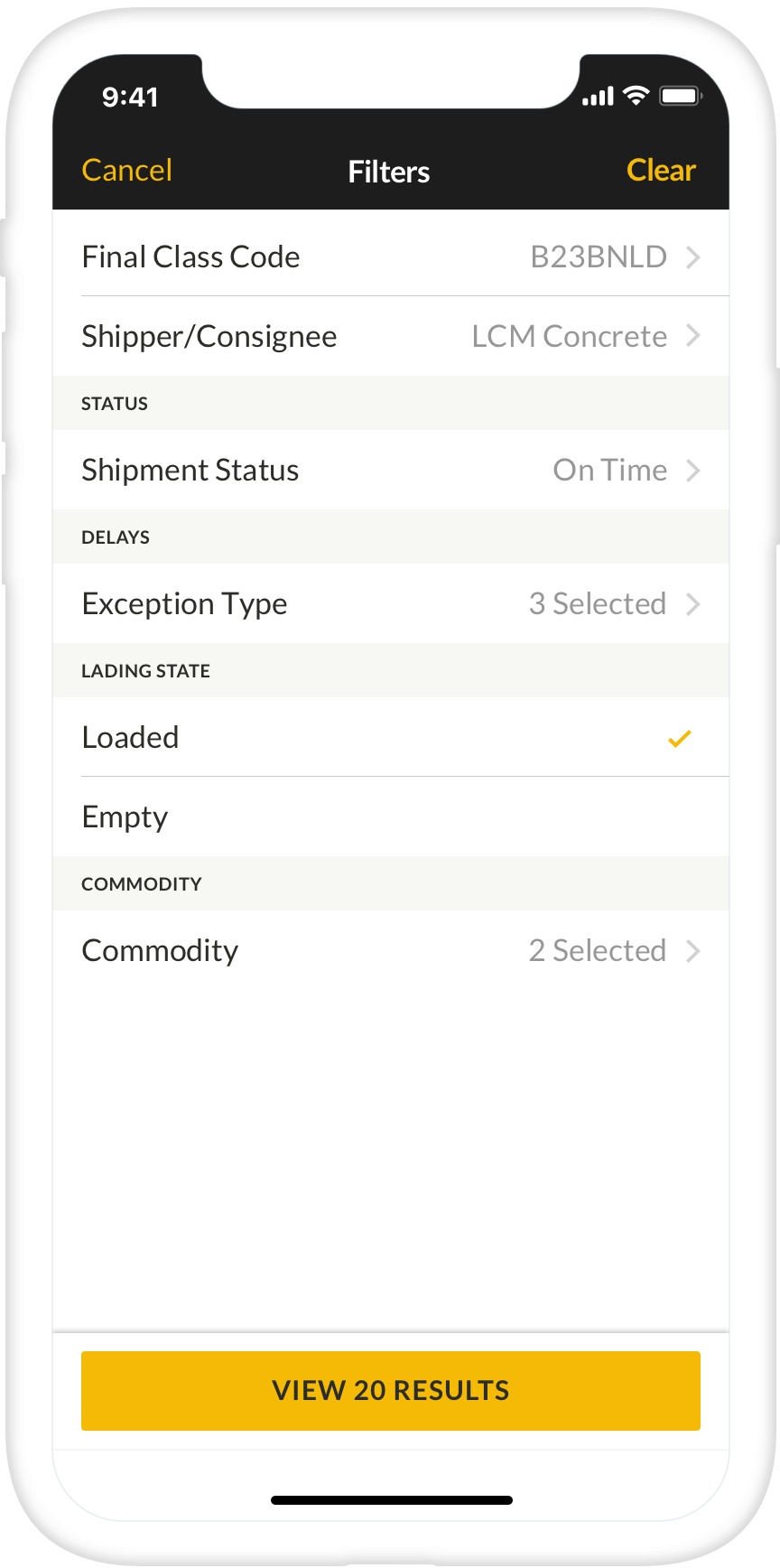
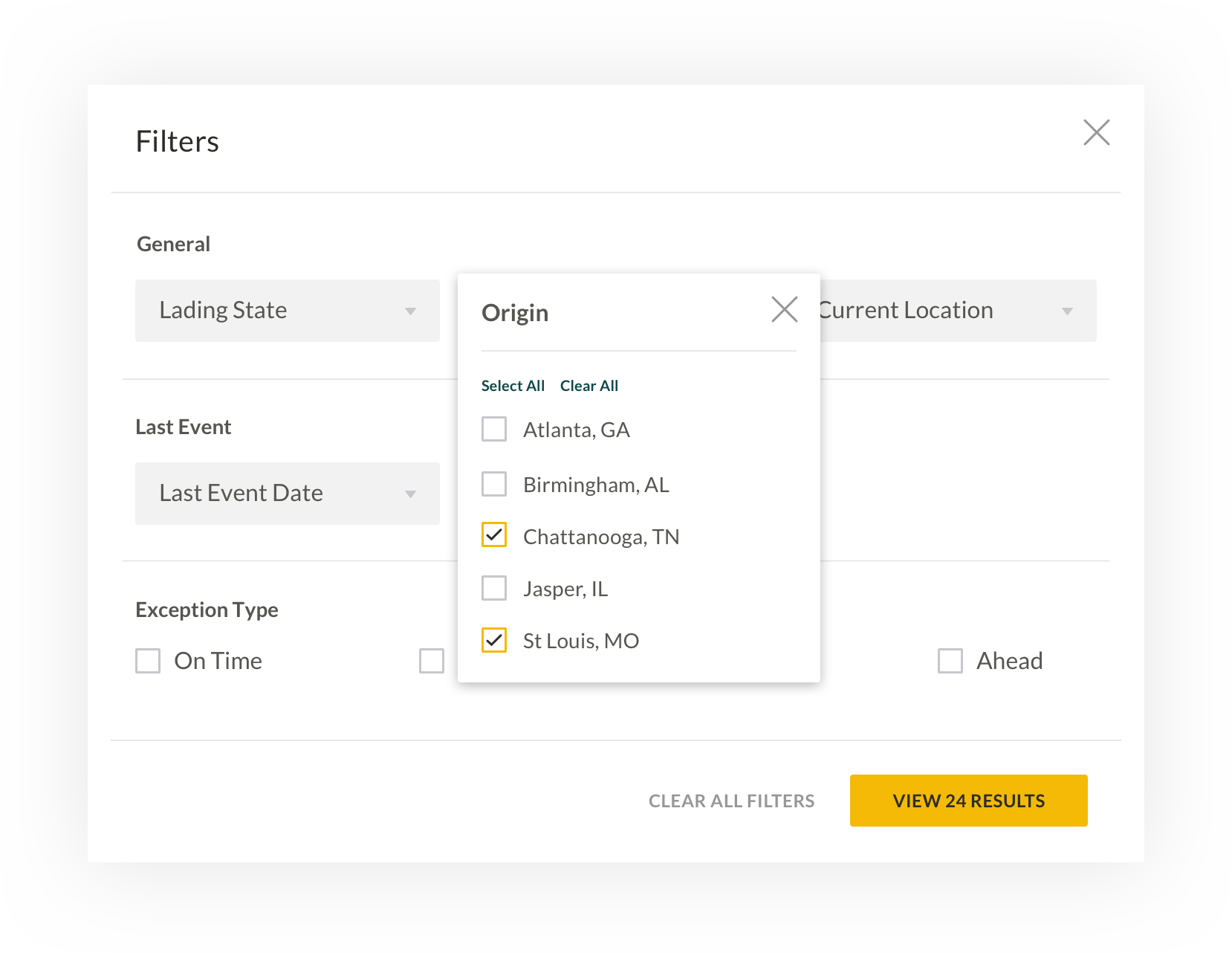
Customer can view shipments for each or all locations and see current location, status, loaded status, and ETA. They can also filter the results to narrow in on troublesome shipments or certain car contents.
Map My Car
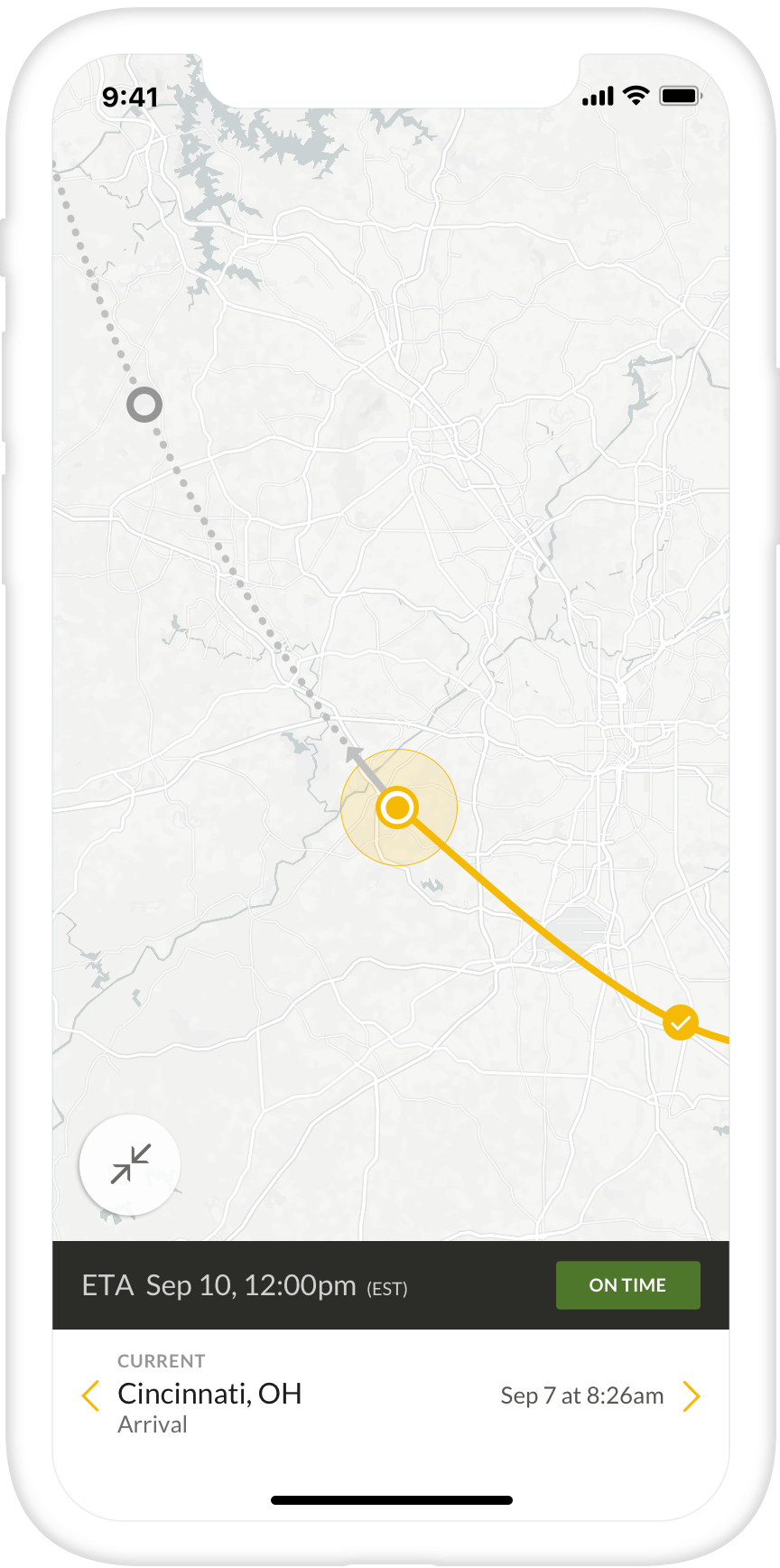
Instead of phoning customer service, customers can view the current location of a shipment on a map. They can scroll to view the previous path as well as the planned route to the final destination.
In fullscreen mode, users can click through the various planned events to view the route.
Extending the experience to the desktop
The creation and success of this app pushed the organization to address the experience of other applications in the system. AccessNS, the main customer tool, has been updated to reflect the new design patterns and experience.
The application has helped to improve accuracy and timeliness of information for customers. Call volume to the customer service department has been reduced significantly allowing agents to focus on priority issues.
Shipments For Days
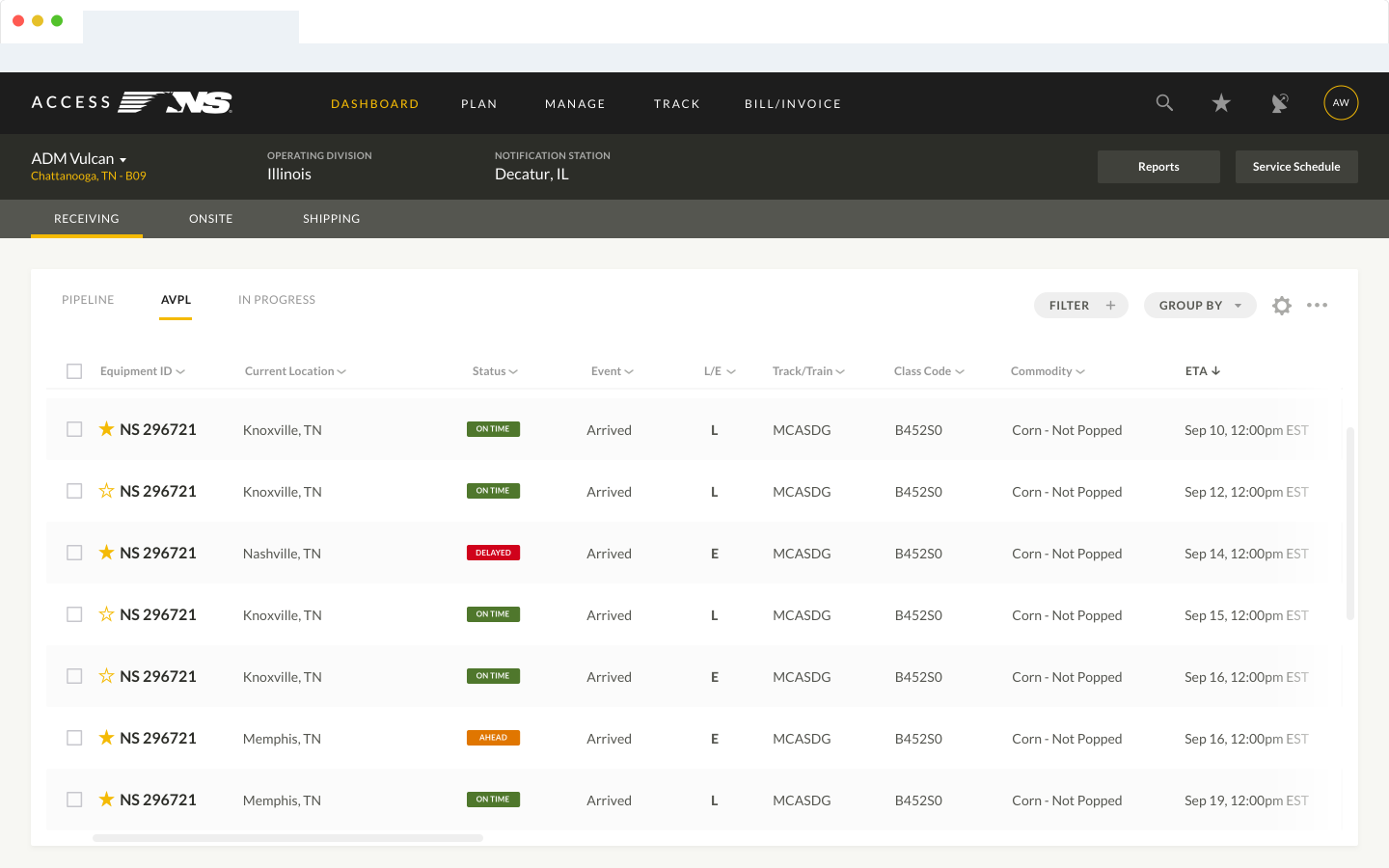
With more real estate, customers can view shipments for each or all locations and see current location, status, loaded status, and ETA.
They could view more details about shipments that were expected in the next day or ready to be placed in their shipyard.
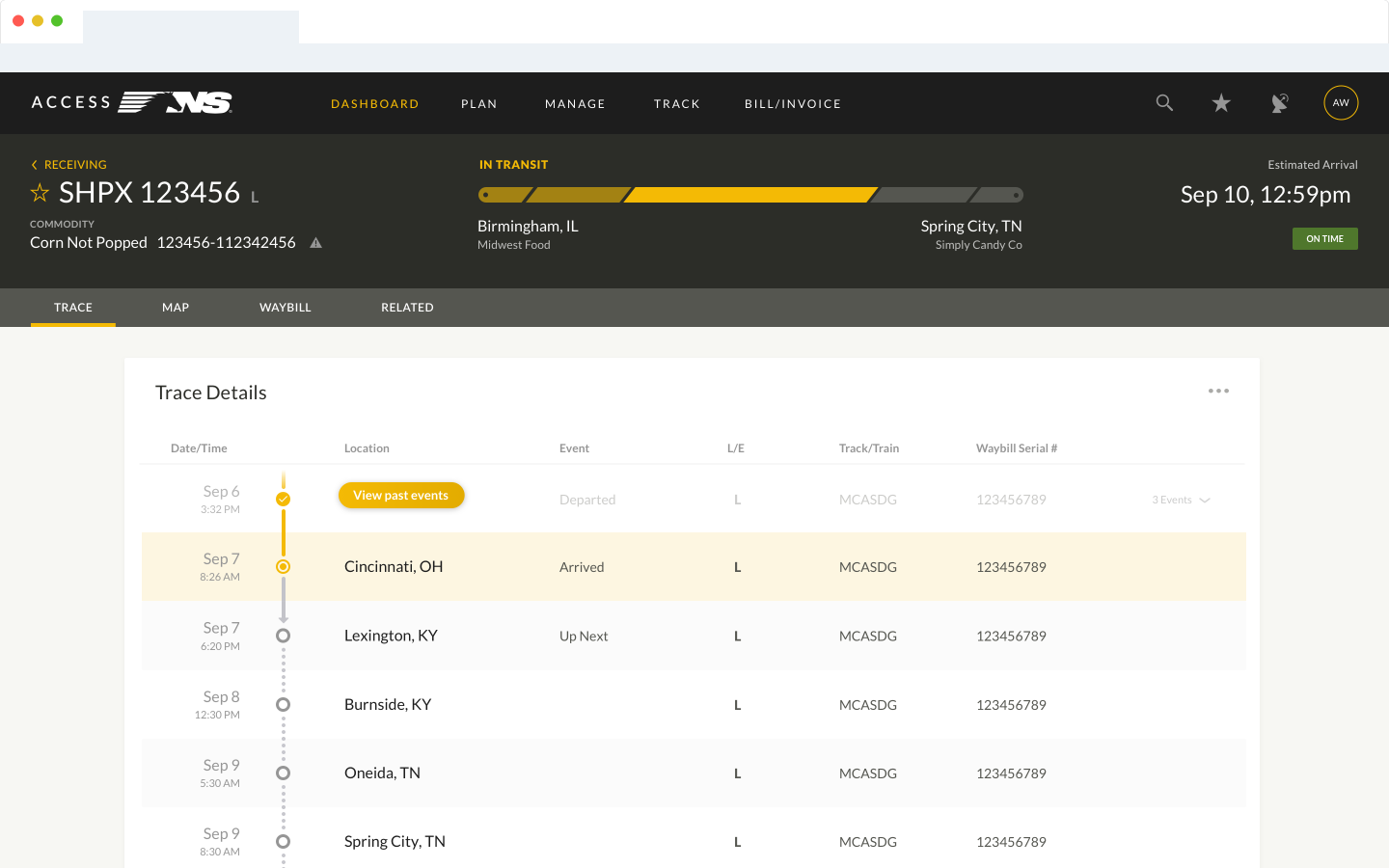
Trace Details & More
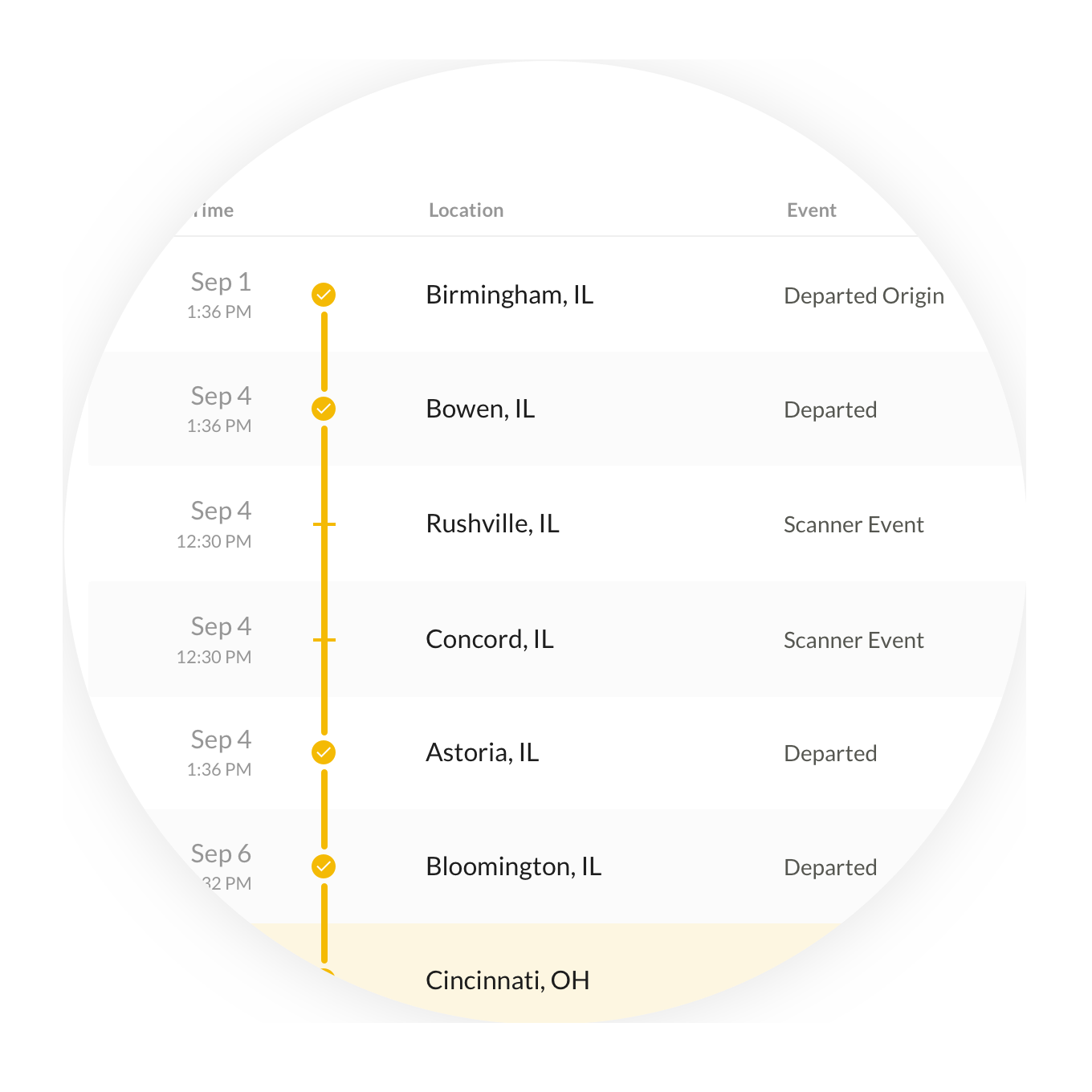
Similar to the desktop view, customers can trace a car from origination to destination. They can click to unfold more details such as scanner times and location.
Staying on track in the future
The Trax app was Norfolk Southern's first foray into mobile application development. The team was not well versed in agile methodologies and iOS human interface guidelines. Our team had to work closely with their team to document the design system and style guide to bridge the gap.
Norfolk Southern continues to iterate and add features to the application including enterprise-wide notifications for the app and the desktop experience.
The app is currently available on the App Store for customers.

