
Checking in today?
Associates are the frontline of hospitality in the hotel industry. Having the right information about their guests is a key tool in providing a great stay. Marriott needed to understand the current to plan for the future.
my role
Design lead through end to end process: discovery, user research, user experience and visual design
team
Ashley Putnam, Design Lead
Will Schroeder, Visual Design
Jackie Walsh, Service Design
TJ Funso, Service Design
Jane Lien, Service Design
Justin Lesniak, Content Design
Checking in with Associates
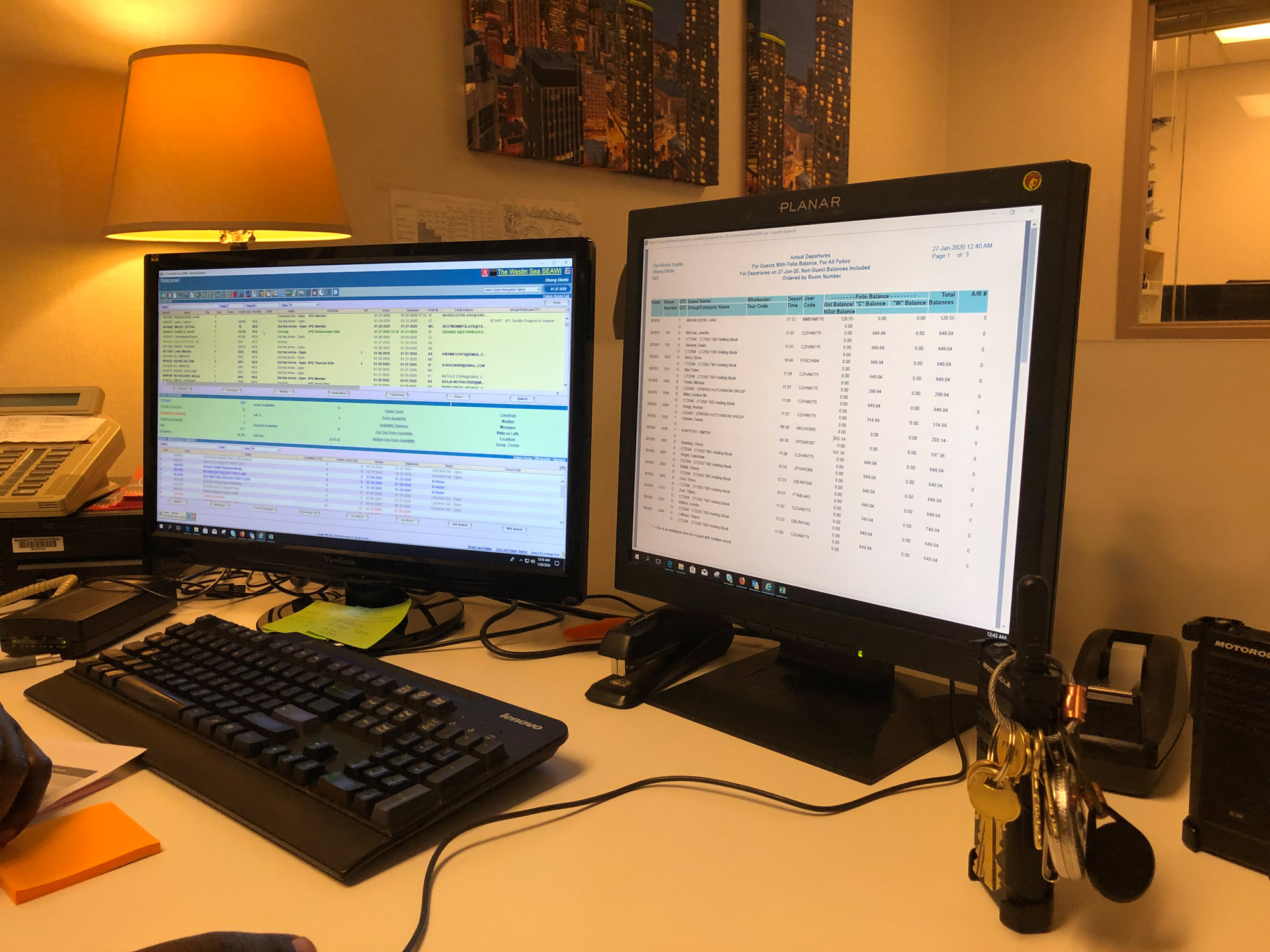
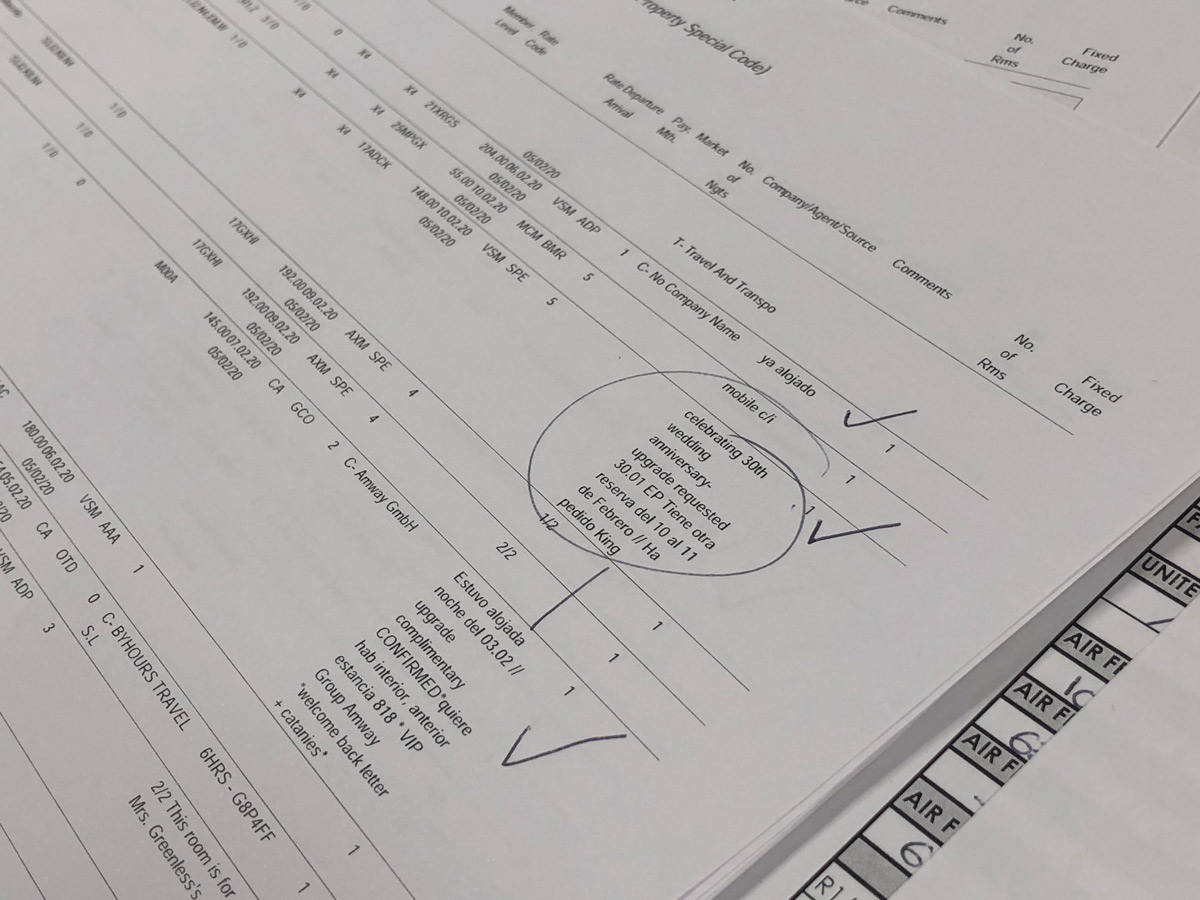
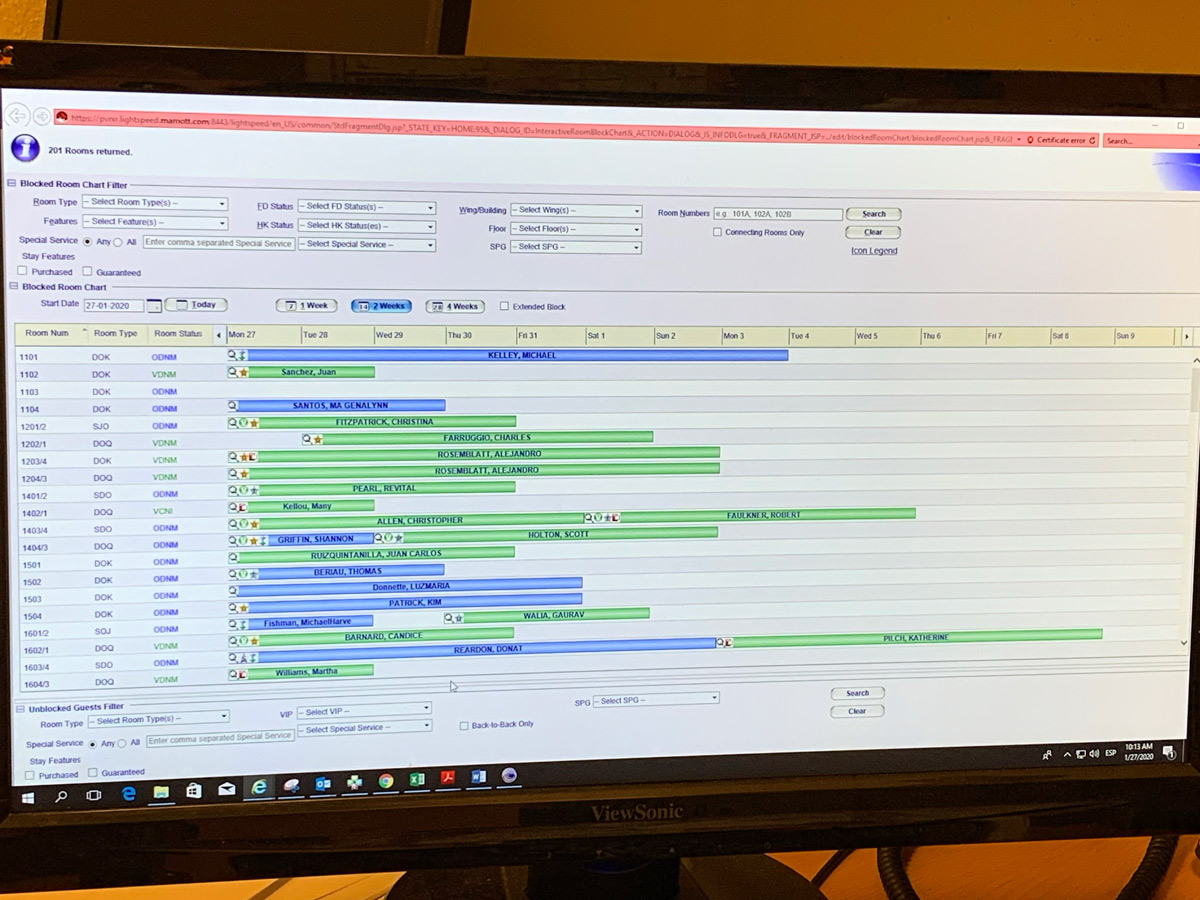
At Marriott, the PMS is the heart of a hotel providing associates with a central touchpoint to delivering a guest stay. Maintaining and enhancing these systems has become inefficient, and require a “swivel chair” experience for the associates, which can take several steps to complete straightforward tasks. How can we improve the experience hotel Associates and ultimately guests worldwide?
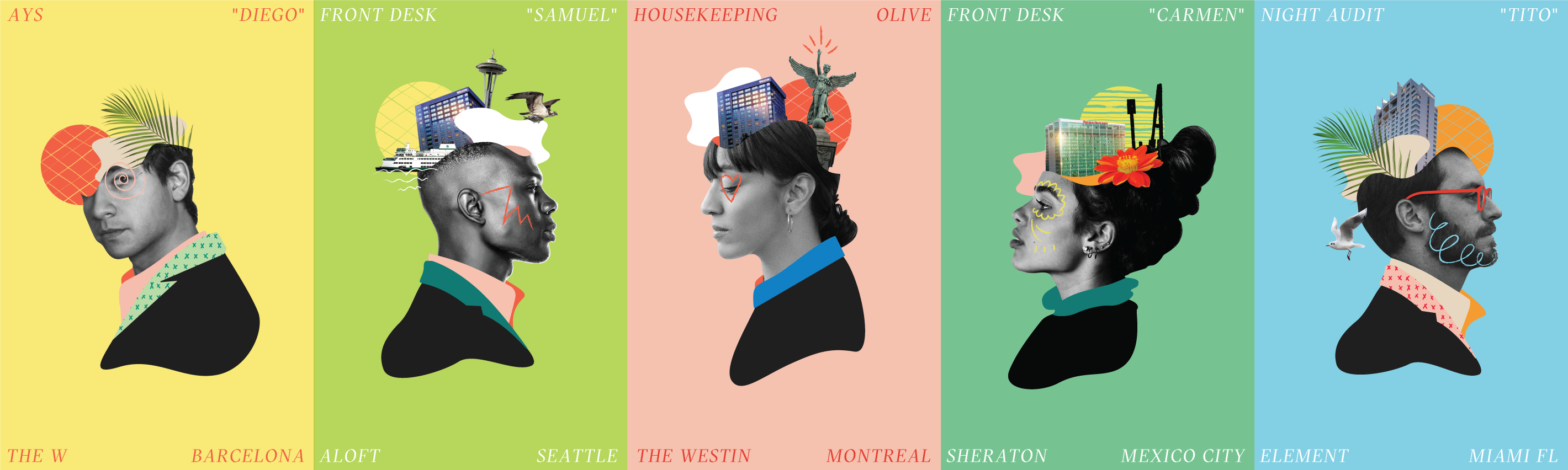
I led a cross-functional team on a worldwide research mission to understand the Associates and their environment. Our goal was to gain a deep understanding of the current-state property experience to inform, accelerate, and increase the success of designing a future Associate ecosystem and deliver elevated service. This information would inform new products and features for the future.
An inhospitable
experience
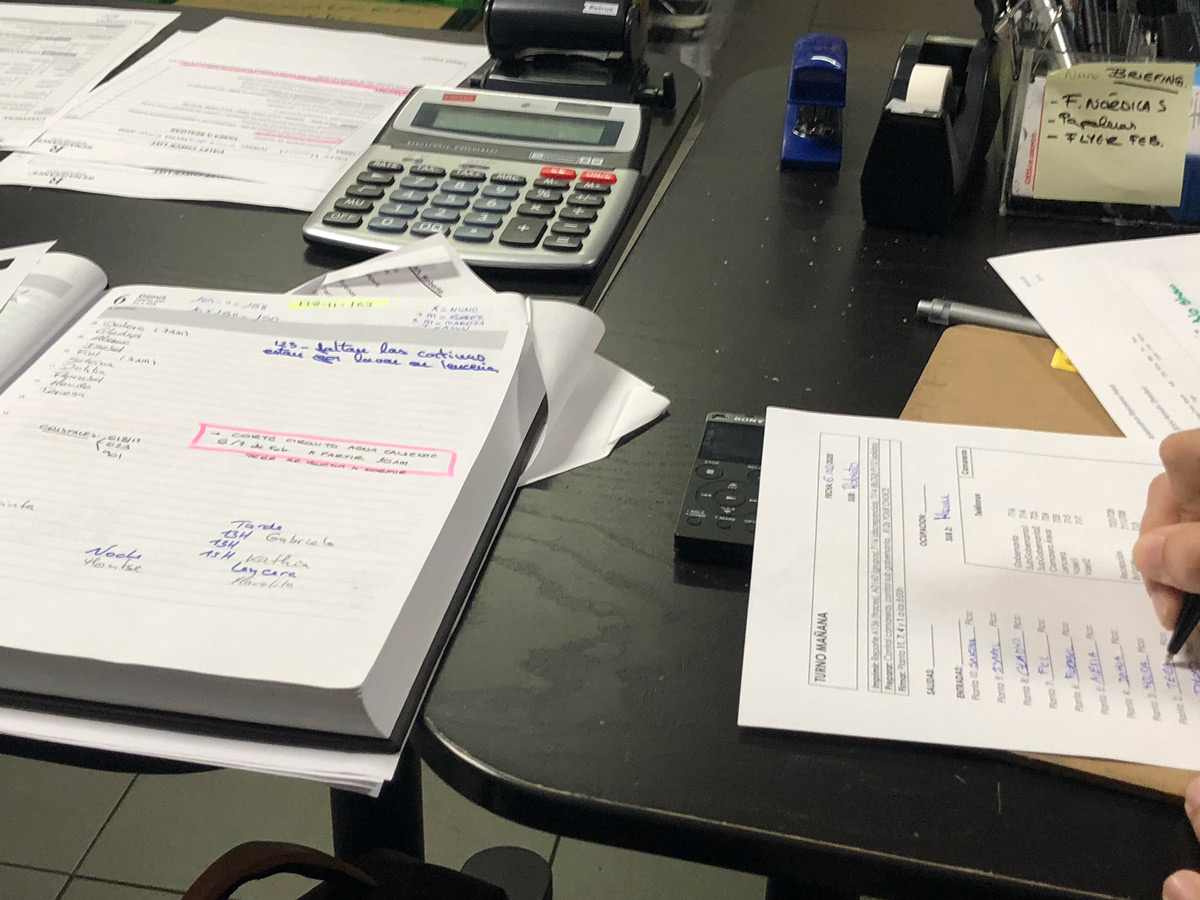
In our time in the field, we were taken aback by the challenges Associates face as well as their ingenuity when delivering excellence in service by adapting the tools and information available to them. To provide a better guest experience, we had to uncover the pain points that in the existing setup.
communication tools
9
Number of communication tools observed on average per property
Systems in use
5.9
Average number of systems observed while swivel-chairing
guest requests
15.3
Average number of minutes across properties we observed it takes Front Desk to respond to a guest request.
reconciling receipts
30.3
Average minutes observed spent reconciling receipts across properties
Booking a complex journey
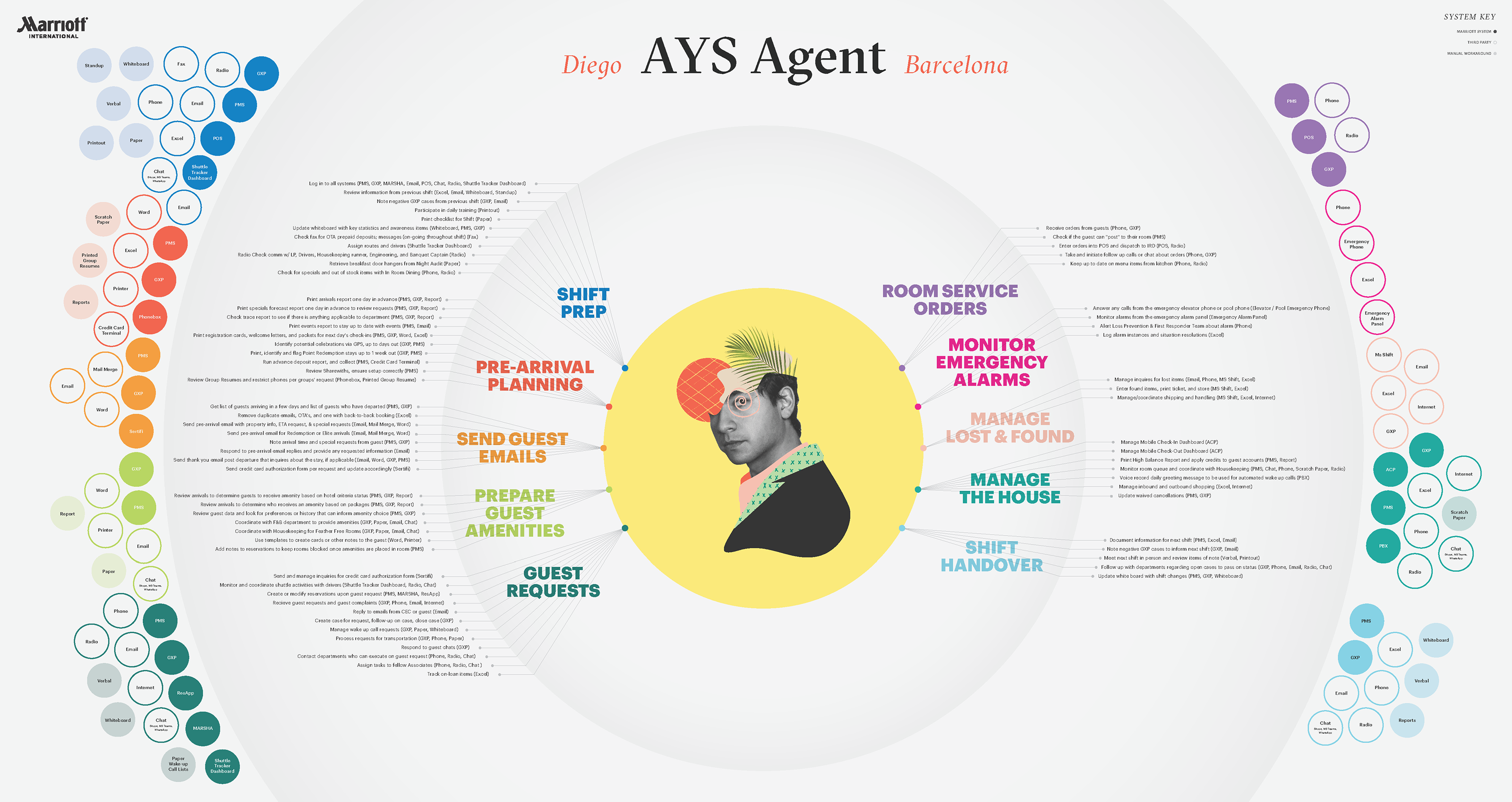
To build the future Associate Experience, journey maps were created to help identify ways to accommodate for gaps and develop efficiencies in the experience. They bring a deep understanding of how tasks are being done and why, the emotional sentiment, and the complete picture of the current state.
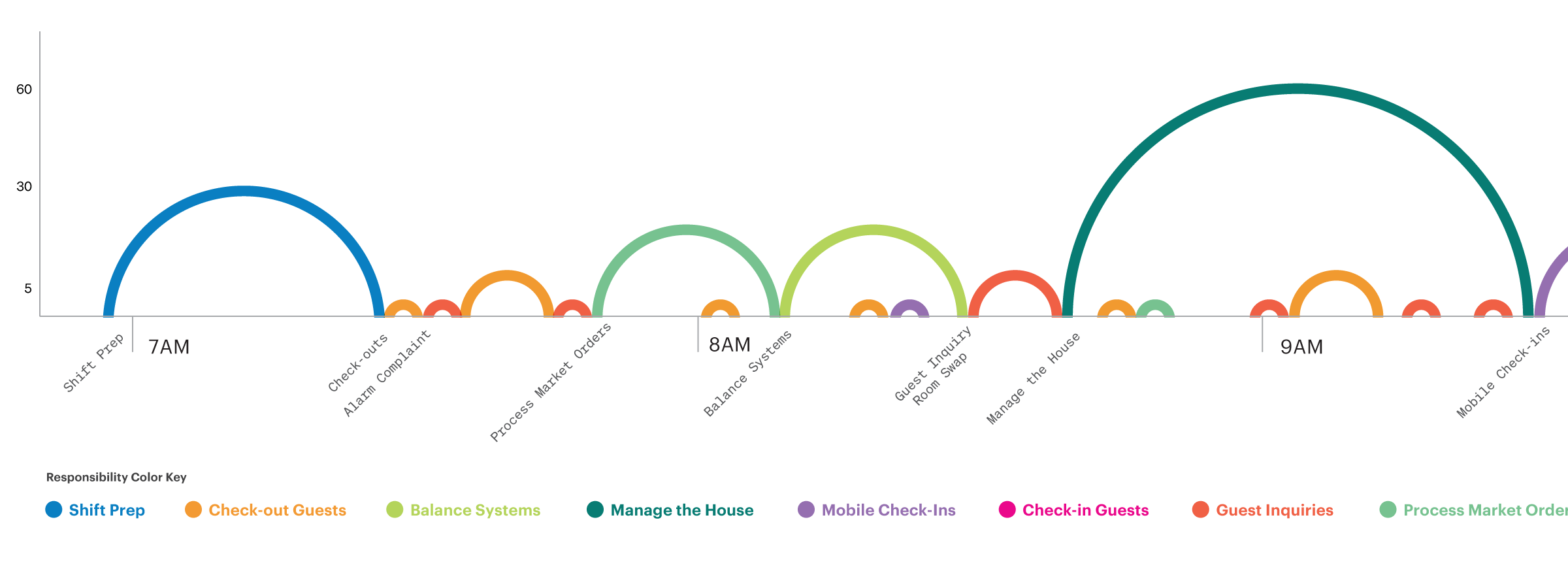
Mapping interruptions
Each Associate is responsible for a series of tasks in the guest experience. During our research, we discovered that those tasks are constantly interrupted leading to a breakdown in the experience. Legacy tools and lack of info led Associates to seek workarounds to catch up.
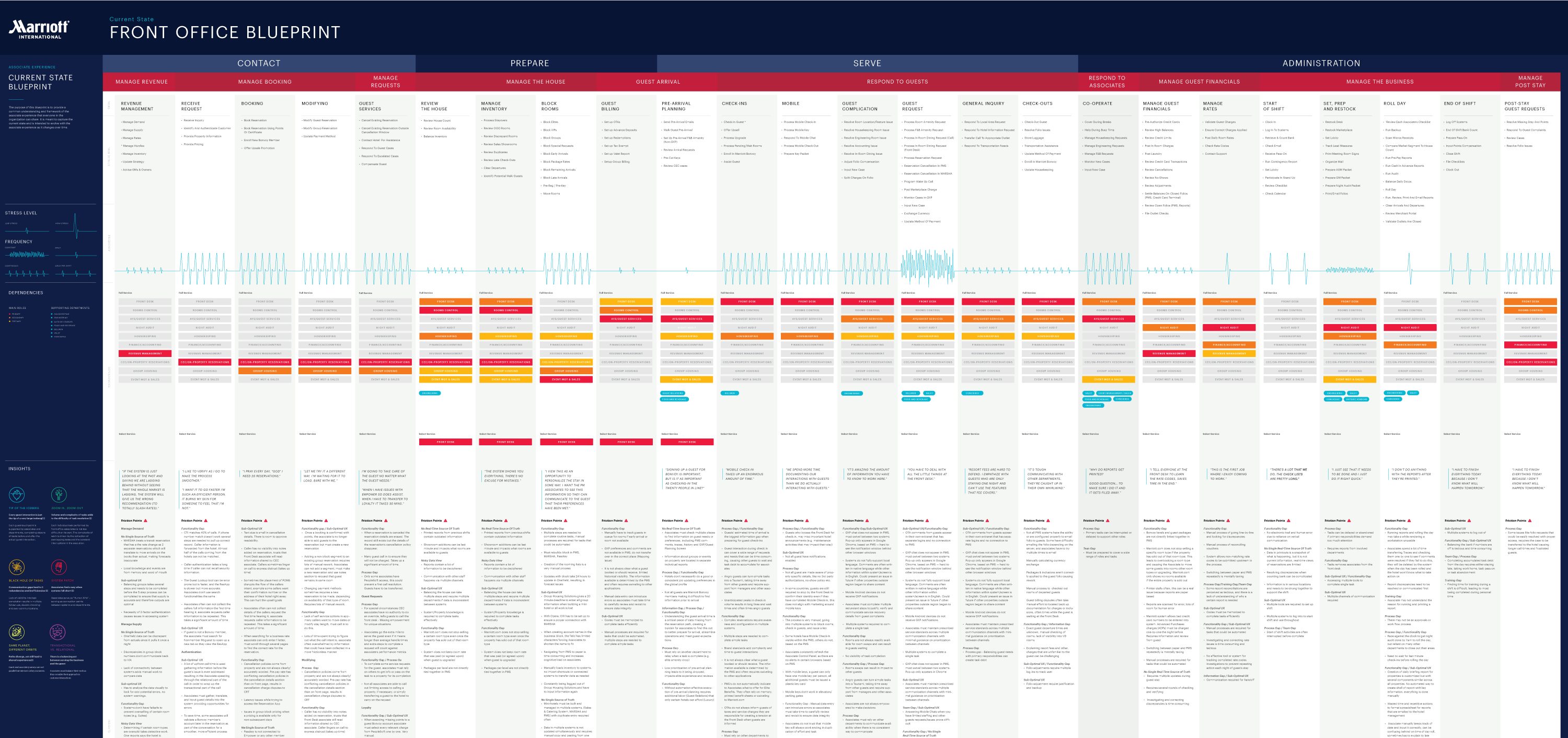
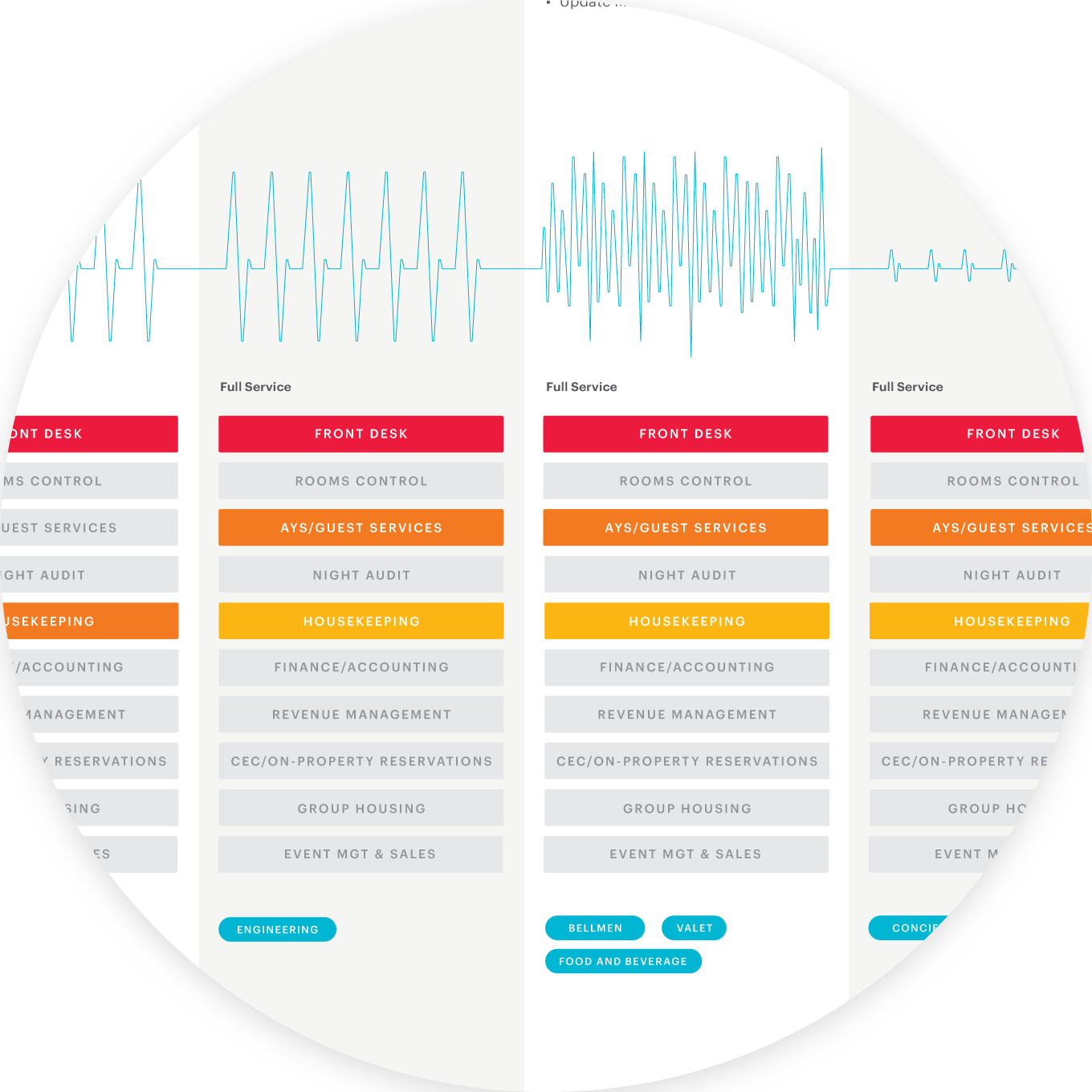
Blueprinting the heartbeat
Many Associates work together with various tools and data to bring about the guest experience. They bring a deep understanding of how tasks are being done and why, the emotional sentiment, and the complete picture of the current state.
Insights & Themes
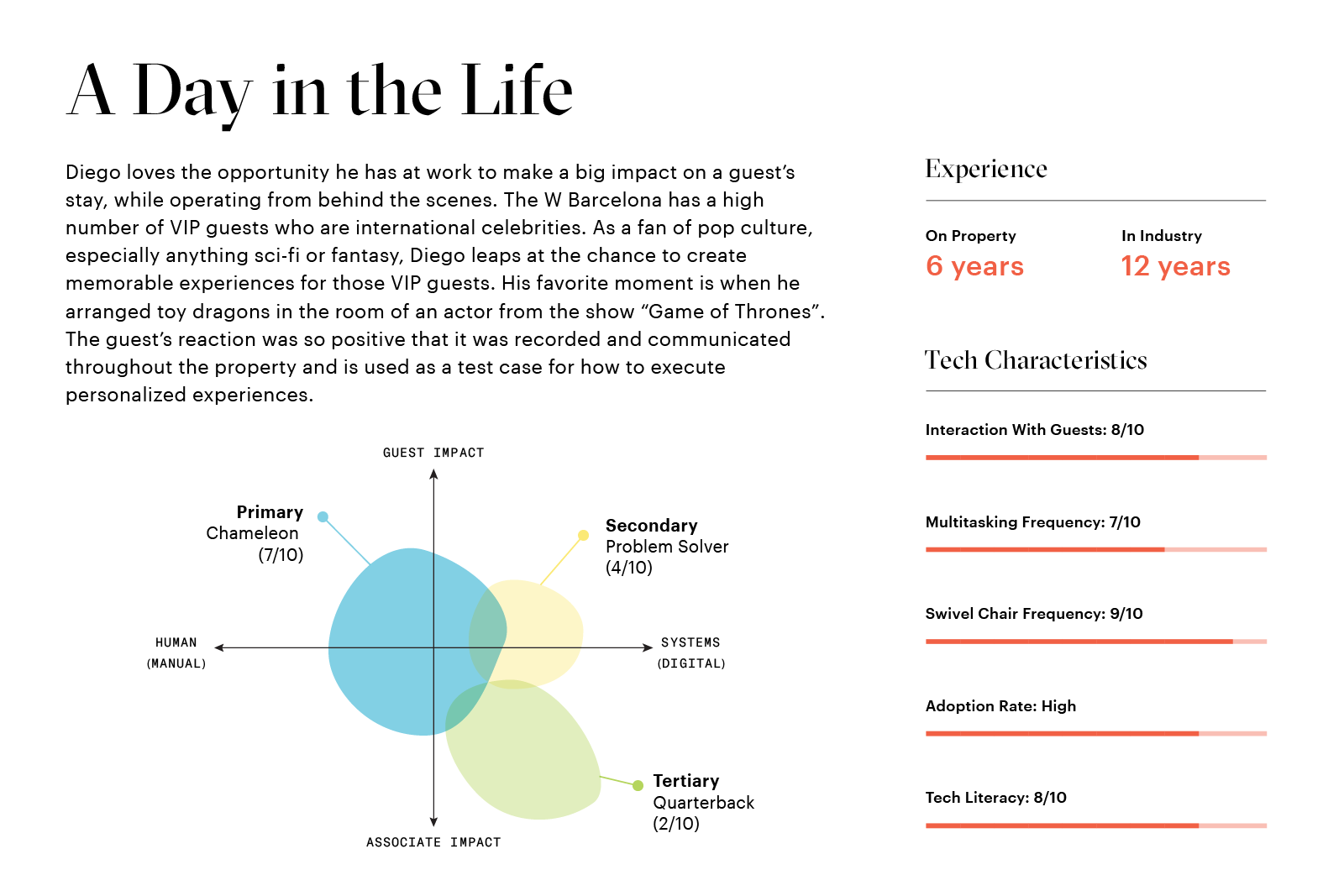
From our time in the field, we gathered observations and uncovered themes. Within those data points, six key insights began to emerge. With the complexity and variety of roles and their responsibilities within the associate experience, it is limiting to map single observations and themes to a single insight.
The Black Hole of Tasks
A lack of ownership and visibility into task completion leads to multiple follow-ups, double-checking and over-communication for Associates. These communication gaps lead to inefficiencies and a lack of trust in the system.
Transactional vs. Relational
There's a tension between serving the business and serving the guest, leaving associates in a tenuous balancing act as they try to weigh the best approach to customer interactions.
Zoom in, Zoom out
Associates are often executing tasks that they think are easy, but they do not realize the complex nature of the tasks they accomplish. This leaves associates zoomed-in on task completion instead of zoomed-out to help guests.
System Patch
Associates must act as connection points between departments, systems, and other associates. Having associates serve as Human APIs suggests the systems are not connected in ways that create a truly great associate or customer experience.
Tip of the Iceberg
Each guest touchpoint is supported
by many associates and dozens of tasks before and after the actual guest interaction. All tasks are connected in the ecosystem. Incremental activities make it more extensive and complex, which puts more pressure on associates.
Same Planet, Different Orbits
The Associate’s experience is deeply connected to the highs and lows of the guest experience, but they are not completely parallel: they intersect at key moments. When the planets align just right their journeys are symbiotic, mutually beneficial to one another.
Designing for adoption
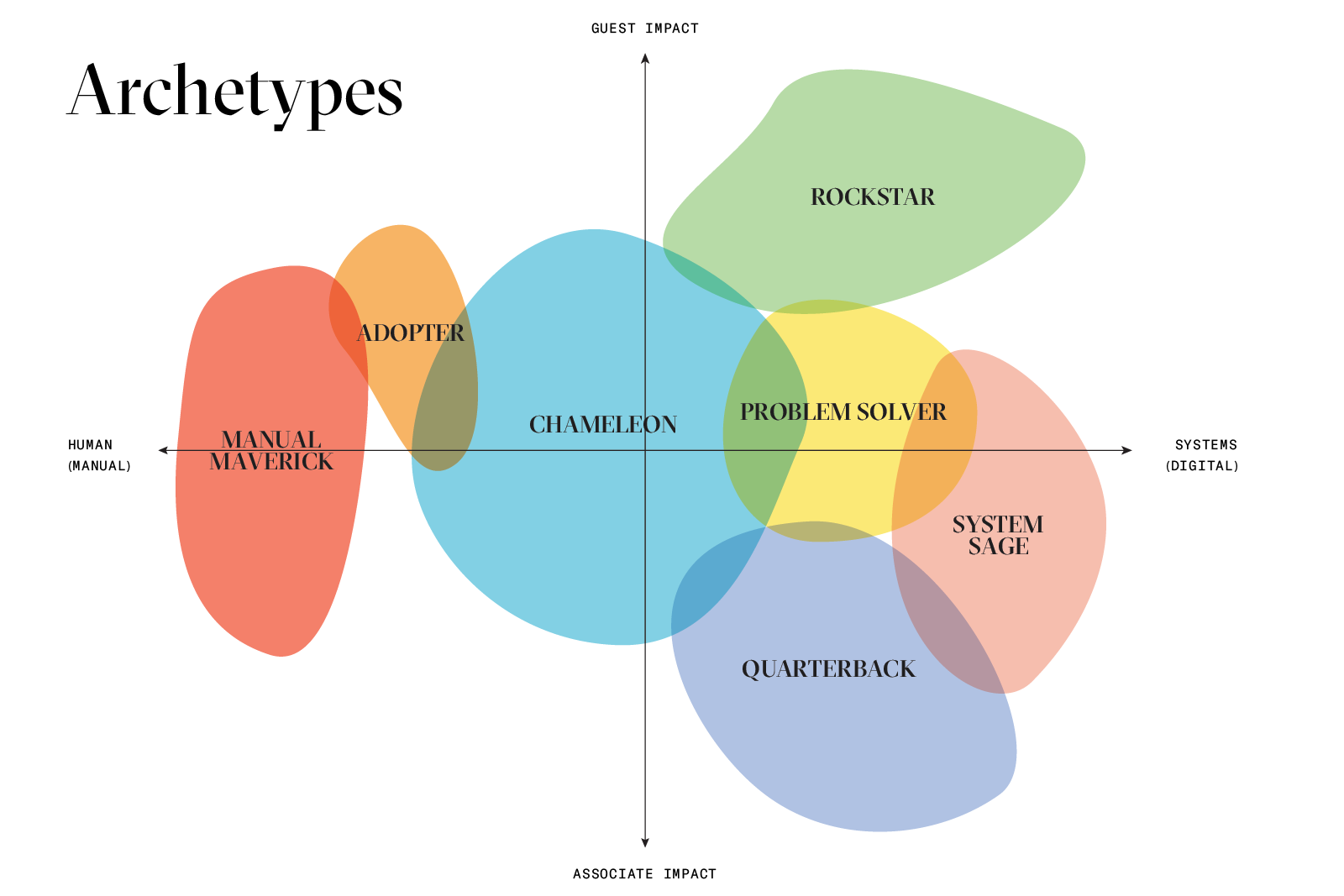
Using Associate needs as our guide, we identified a core set of needs that, when met, help the Associate thrive. Supporting these needs should be core to any future state and the key to designing for system adoption.
Pride
Configurable: configurable by hotel size/type/environment
Performance: prioritize performance.
Adaptability
Intuitive: intuitive to understand and use.
Way finding: quick answer finding
Quick fix: deploy updates and fixes quickly
Ownership
Visibility: provide greater visibility across daily tasks and historical work.
Real-time: ability to view information real time and at any point in time
Adoptable: can be used to assess
success, improvement areas easily
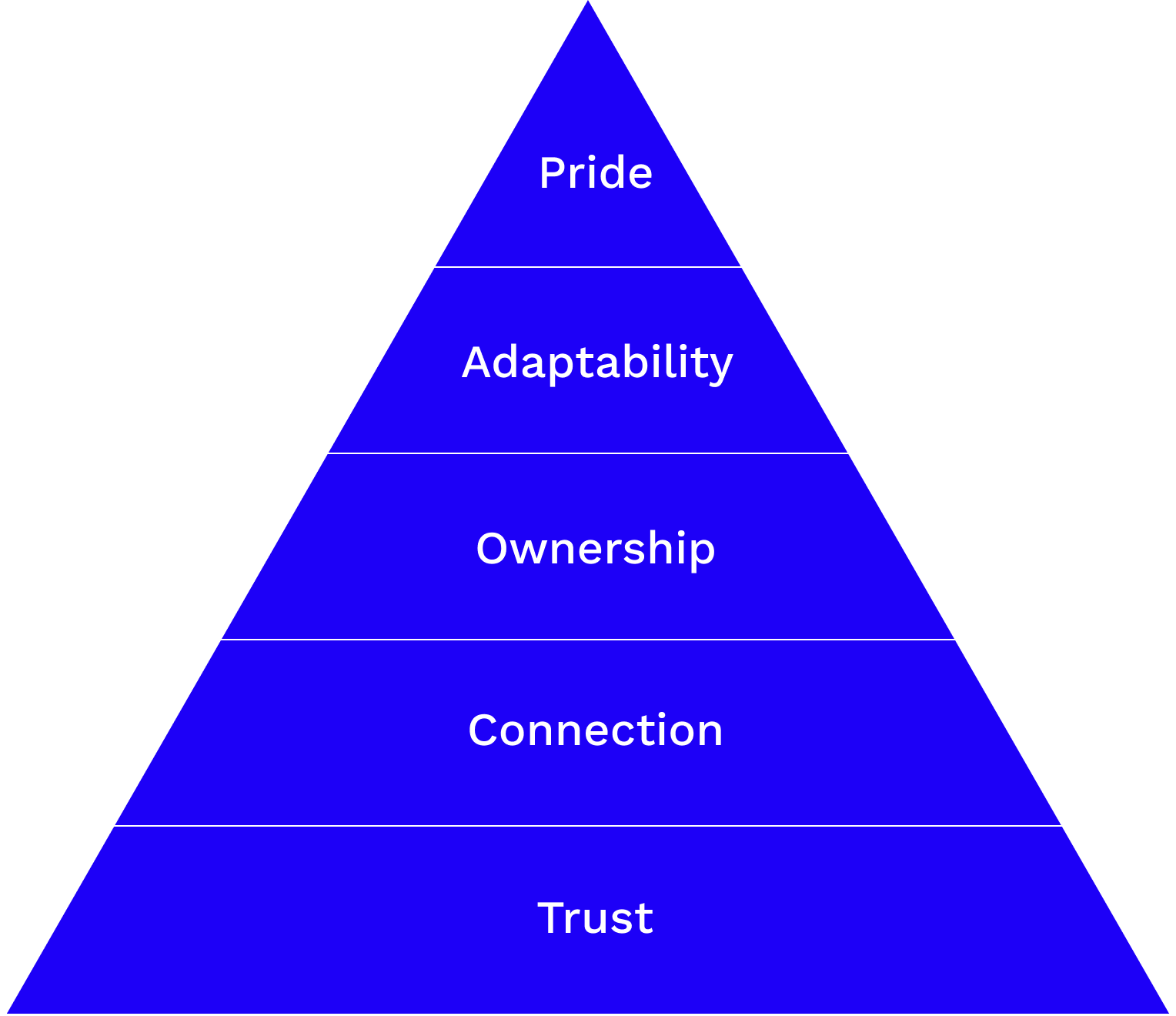
Connection
Comms: allow fast communication.
Collaborative: connect associates to each other – highly collaborative.
Prioritize: prioritize the content needed to achieve certain activities/tasks.
Trust
Truth: clearly communicate a single source of truth to associates
Clarity: speak customer relevant human language not cryptic system or accounting language
Awareness: "no surprises, please." -- Provide awareness of information updates and changes
Envisioning the future
Just because you build something does not mean associates adopt the solution. Understanding the associate’s needs allows the company to tailor the future design experience and services not only to meet those needs but design for adoption of the tool(s).
With the research and frameworks established, the team could begin to envision the future experience. These concepts and narratives paint a better picture of future features and capabilities.
Setting expectations
Preparing for the guest’s stay using profile data and analytics
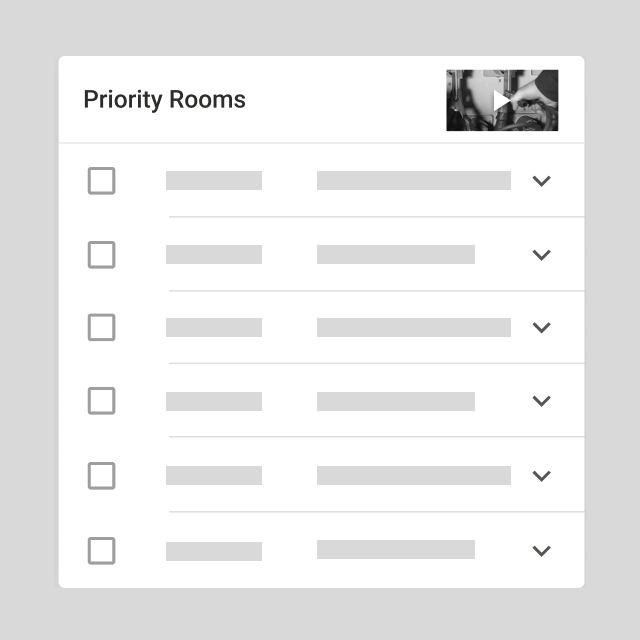
A loyalty guest has booked a reservation to celebrate their anniversary. After booking, the system links the information from the guest profile to the stay.
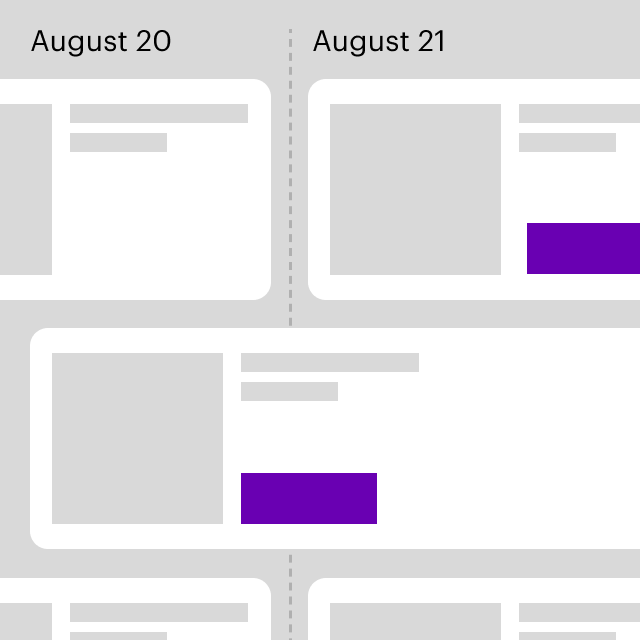
Before the stay, the system uses analytics on guests’ profiles and room availability, and autoblocks rooms based on their preferences and past requests.
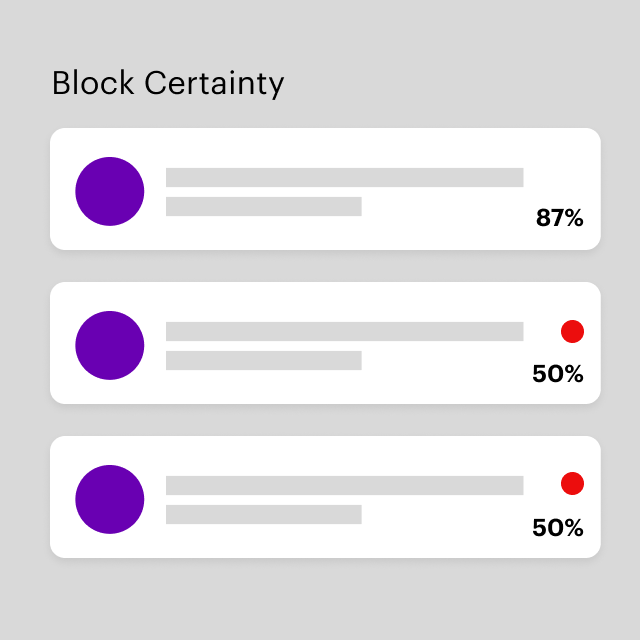
The day before arrival, the room's controller views the system's predictions and dives deeper into rooms that have been tagged as important and needing extra attention.
On the day of arrival, the system pre-assigns tasks to AYS and housekeeping to prepare the amenity and adds it to their priority task list for rooms for the day.
Reviewing the day
Symbiosis with the guest happens when the associate is prepared and informed so that they can take quick actions
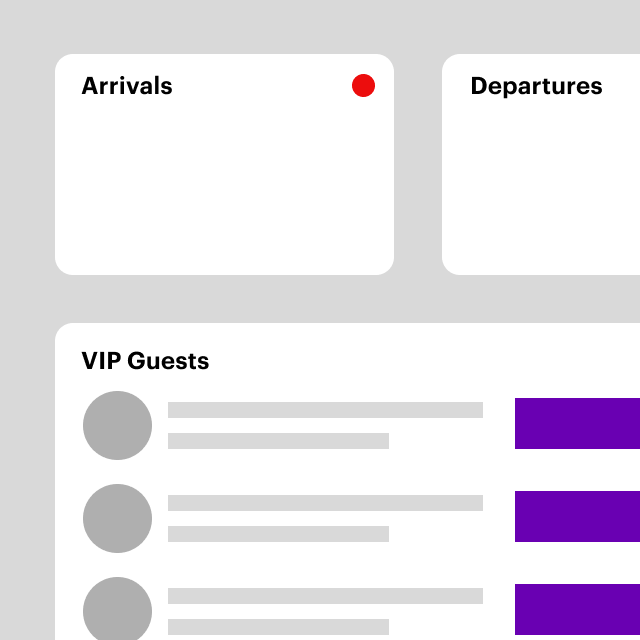
As the associate prepares for the day, they can easily see a heads-up view of guest arrivals, departures, events, and previous shift issues in simple visual at-a-glance. They can also see any alerts bubbled to the top and act.
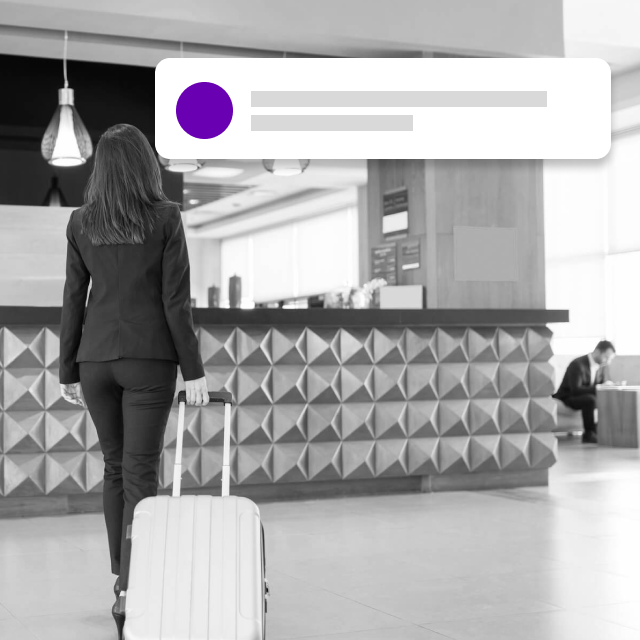
The guest arrives early for their reservation. As they enter the property, the guest is detected by the geo-fence at the property and their app. The system sends an alert to the front desk letting them know that the guest has arrived.
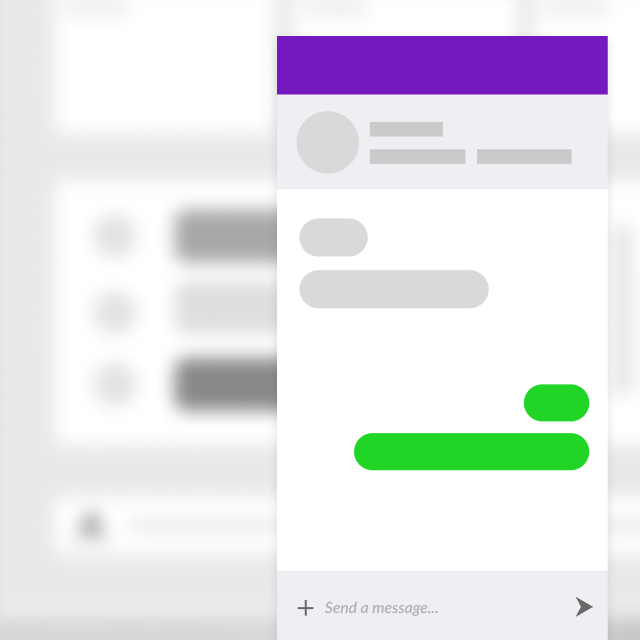
Before the guest arrives at the desk, the system sends a quick, internal message to housekeeping to see if the pre-blocked room has been cleaned and the amenity has been placed.

As the associate is serving the guest, the housekeeper responds that that room is ready. The front desk associate reviews the simplified stay module and acknowledges the guest’s loyalty as well as their anniversary trip.

